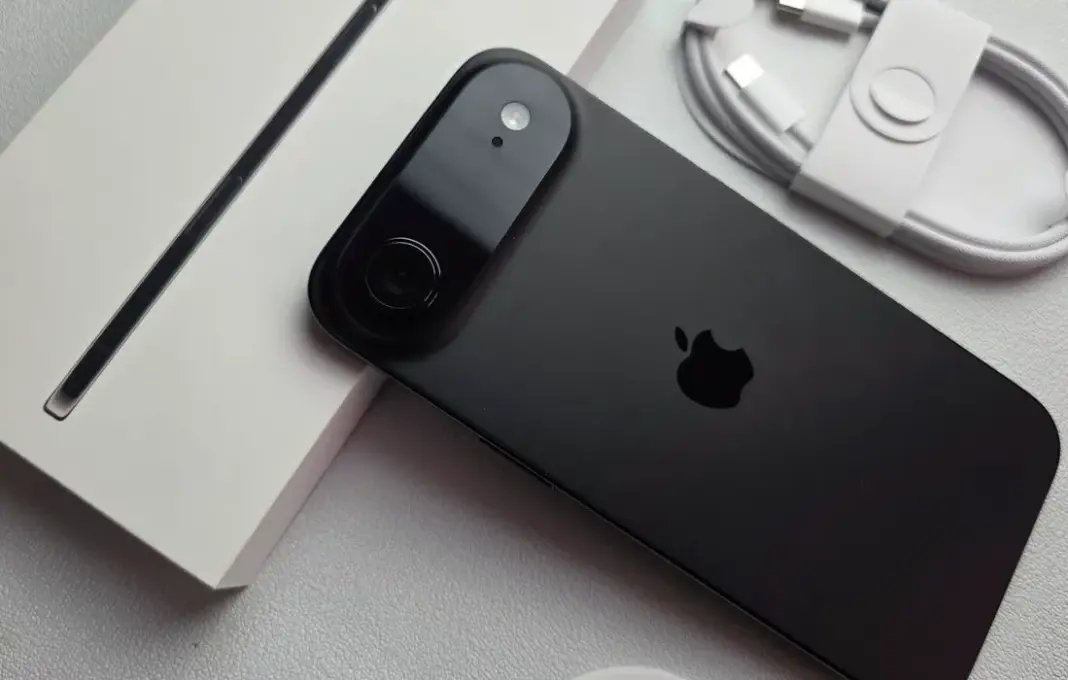
The resale value of the iPhone Air has experienced a dramatic decline, marking the worst depreciation in the iPhone 17 series. According to the latest report from the price comparison site SellCell, the used iPhone Air has lost between 40% and 47% of its value within just 10 weeks after launch. This data is based on trade-in transactions from over 40 iPhone resellers in the United States.
SellCell’s analysis reveals that the iPhone Air’s steep price drop is significantly deeper compared to other models in the iPhone 17 lineup and is the sharpest decline observed among iPhones since 2022. The model’s resale price fall contrasts sharply with the relatively stable values seen in its series siblings, highlighting weaker market demand for this thin, lightweight variant.
Depreciation Breakdown by Storage Capacity

iPhone Air values vary considerably depending on storage size, with the highest-end models losing the most. The following details reflect the average price drops:
-
256 GB model:
- Original Price: $999
- Current Resale Value: $596
- Depreciation: 40.3%
-
512 GB model:
- Original Price: $1,199
- Current Resale Value: $660
- Depreciation: ~45%
- 1 TB model:
- Original Price: $1,399
- Current Resale Value: $668
- Depreciation: 47.7%
The 1 TB version experienced the most severe depreciation across all iPhone models sold in the past three years.
Comparison with Other iPhone Models
When compared to previous generations, the iPhone Air’s resale drop is exceptional. For instance, the iPhone 16 Plus 128 GB saw a 41.6% price decline, and the iPhone 16 128 GB dropped by 44.2%. However, these figures still fall short of the losses experienced by the iPhone Air.
Within the same 17 series, the average depreciation rate is around 34.6%. The iPhone 17 Pro Max 256 GB only decreased by 26.1%, while the iPhone 17 256 GB dropped by roughly 33%. These numbers indicate the iPhone Air’s sharp decline is an outlier in the lineup.
Factors Behind the Value Drop
SellCell points to three primary causes for the iPhone Air’s steep price decline:
-
Weak sales performance: Low consumer demand immediately after launch led to pressure on trade-in prices. With limited buyers interested, resellers discounted the device aggressively.
-
Durability concerns: The iPhone Air’s notably thin and lightweight design raised doubts about its physical resilience. This perception negatively impacted buyers in the secondary market, who often prioritize device sturdiness.
- High repair costs: Repairing the slim body design is often complex and expensive, raising total ownership costs. Potential owners factor these expenses into resale price expectations.
These combined factors created significant downward pressure on the device’s resale value.
Market Dynamics and Broader Context
The smartphone premium segment is currently facing complex challenges. While artificial intelligence advancements could fuel higher device prices, increasingly discerning consumers and intensifying competition limit market growth. The ongoing rivalry between Huawei’s Pura 80 and Apple’s iPhone 17 amid a sluggish market exemplifies this.
This environment compounds the difficulty for the iPhone Air to maintain its resale value. Historically, rapid price drops like this signal lukewarm market reception that could influence future Apple design and marketing strategies.
Implications for Consumers and Apple
For buyers relying on trade-in programs or resale value to offset upgrade costs, this depreciation signals caution when considering the iPhone Air. Their decisions may skew toward more durable models with proven value retention.
For Apple, this negative trend offers valuable insight into consumer responses to extreme design innovations. Whether the company will adjust future product lines or focus on other iPhone variants remains to be seen.
Overall, SellCell’s verification of sharp value loss underscores that beyond innovation, factors like physical durability and maintenance cost profoundly affect resale pricing. This data highlights a critical area for both buyers and manufacturers to consider in the evolving premium smartphone market.