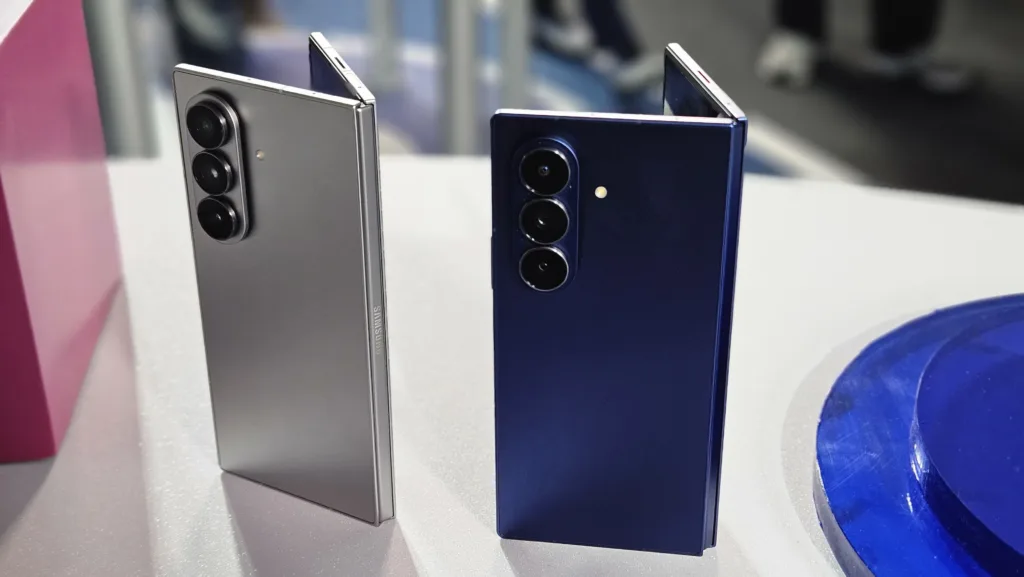
The global foldable smartphone market is expected to experience robust growth, with IDC forecasting a 30% year-over-year (YoY) increase in 2026. This surge marks a significant rise from the earlier prediction of 6%, driven by new product launches from major manufacturers.
Senior Research Director at IDC, Nabila Popal, highlighted that innovations like Samsung’s Galaxy Z Trifold and Apple’s upcoming foldable iPhone will play key roles. According to her, these launches are positioned to propel the foldable category into a new phase of expansion.
Samsung and Huawei Leading Foldable Innovations


Samsung plans to start 2026 by introducing the Galaxy Z Trifold to the global market. This model aims to build on the success of the Galaxy Z Fold 7, which is slated for release in 2025. Huawei is another key player, expected to achieve nearly double shipments next year with its foldable devices powered by HarmonyOS Next.
Both companies’ innovative efforts suggest strong competition and varied options for consumers interested in foldable smartphones. These devices are anticipated to help shape the market’s growth trajectory going forward.
Apple’s Entry to Transform the Market
Apple’s debut foldable iPhone, projected to launch by the end of 2026, is expected to be a game changer. IDC predicts that this device will capture over 22% of unit sales and 34% of the total value within the foldable smartphone segment during its first year. The iPhone foldable is estimated to retail at approximately $2,400, positioning it as a premium option in this category.
Francisco Jeronimo, IDC’s Vice President of Client Devices, noted that Apple’s involvement will serve as a catalyst for accelerating mainstream adoption of foldable phones. He views Apple as a pivotal force that could reshape market dynamics and foster rapid consumer acceptance.
Foldable Smartphones as Premium Growth Drivers
Foldable phones will represent a niche segment when viewed by volume but will be critical drivers of market value. The average selling price (ASP) of foldables is expected to be three times higher than that of standard smartphones. This premium pricing underscores the segment’s importance for manufacturers looking to enhance revenue amid slowing growth in the broader smartphone market.
IDC also emphasized the shifting consumer behavior toward longer phone replacement cycles. This trend presents challenges for vendors and increases the need for meaningful innovation to maintain demand. Developing advanced foldable phones, including both standard and trifold models, is therefore vital to revitalizing the marketplace.
Long-Term Market Projections
IDC projects that foldable smartphones will grow at a compound annual growth rate (CAGR) of 17% through 2029. This compares sharply with less than 1% growth expected for the traditional smartphone segment. Shipments are forecast to reach 20.6 million units by 2025, representing a 10% YoY increase.
Such projections indicate that foldable smartphones will continue to evolve from a niche appeal to a significant area of opportunity for smartphone vendors. They play a critical role in fostering innovation and providing consumers with new device experiences.
Key Takeaways:
- IDC forecasts a 30% YoY growth in foldable smartphone market size by 2026.
- Samsung’s Galaxy Z Trifold and Huawei’s HarmonyOS-based foldables will drive early momentum.
- Apple’s entrance with a foldable iPhone is expected to capture a substantial market share and value.
- Foldables command higher price points, boosting market value despite smaller volume share.
- Consumer trends toward longer usage cycles increase demand for innovation, emphasizing foldables.
- Foldables are projected to grow at 17% CAGR through 2029, far outpacing standard smartphones.
As the foldable smartphone category matures, industry stakeholders will likely intensify their focus on this segment. The surge in consumer interest and technological advancements positions foldable devices as key contributors to the future of mobile technology.