Xiaomi has expanded the rollout of HyperOS 3, its latest operating system based on Android 16, to a broader range of devices. This update now includes flagship smartphones up to three years old, as well as several mid-range and budget models. The move reinforces Xiaomi’s commitment to prolonging the lifespan of older devices and enhancing the user experience with modern software features.
The HyperOS 3 update introduces a refreshed user interface (UI) and improved functionalities that significantly upgrade the performance and usability compared to previous OS versions. Users across different regions can expect a more polished and responsive system, designed to compete with current Android offerings and meet today’s user expectations.
Devices Receiving HyperOS 3 Update


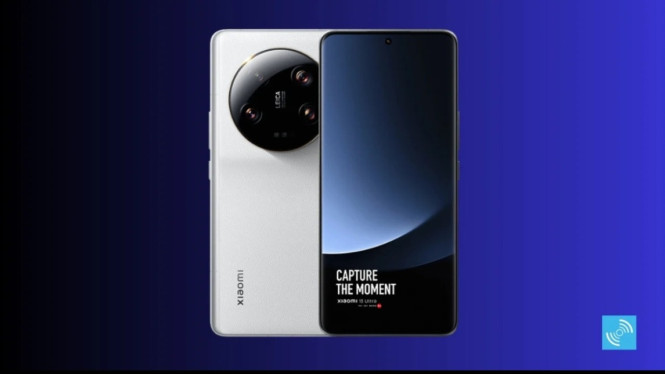
The devices targeted by this update span multiple product segments. The flagship range includes the Xiaomi MIX Fold 3, Xiaomi 13 Ultra, Xiaomi 13 Pro, and Xiaomi 13. Additionally, a considerable number of mid-range and budget phones under the Redmi Note series are eligible. These models are:
- Redmi Note 15 Pro+
- Redmi Note 15 Pro
- Redmi Note 14 Pro+
- Redmi Note 14 Pro
- Redmi Note 13 Pro+
- Redmi Note 13 Pro
This extended coverage allows Xiaomi to unify its device portfolio under the latest OS standard, delivering consistent performance and features regardless of price tier.
Gradual Rollout to Ensure Stability and Compatibility
Xiaomi’s update process follows a phased rollout approach. This means that not all eligible devices will receive HyperOS 3 simultaneously. Factors such as geographic location, device batch, and carrier approvals influence when each user gets the update notification. Owners of compatible models who have not yet seen the update are advised to be patient, as the deployment could take weeks or months to reach everyone.
Strategic Considerations Behind the Extended Support
This expansion reflects Xiaomi’s strategic focus on maximizing device longevity and customer satisfaction. Offering HyperOS 3 to older flagship phones and mid-range devices reduces e-waste and keeps users within Xiaomi’s ecosystem longer. It also addresses growing consumer demand for ongoing software updates without the immediate need to purchase the latest hardware.
According to industry reports, this approach has positive implications for brand loyalty and helps Xiaomi maintain competitive advantage in the crowded smartphone market. Supporting legacy devices with current software ensures that users enjoy enhanced security features and a smoother interface comparable to newer models.
Key Benefits of HyperOS 3 Based on Android 16
HyperOS 3 brings several technical improvements, including:
- A newly designed UI emphasizing clarity and ease of use.
- Enhanced system performance for faster app loading and multitasking.
- Improved battery efficiency through better resource management.
- Integration of Android 16 security protocols for safer user data protection.
- New customization options to personalize the smartphone experience.
These features position HyperOS 3 as a substantial upgrade that modernizes even older Xiaomi devices, demonstrating the company’s commitment to user value beyond hardware sales.
By embracing this extensive OS update strategy, Xiaomi signals its readiness to support users through software advancements while encouraging a sustainable approach to mobile technology. This trend is likely to continue as Android evolves and competition intensifies.
Users of Xiaomi’s eligible devices are encouraged to regularly check for software updates in their system settings. Patience is essential as the rollout progresses in stages, and eventual access to HyperOS 3 is expected for all qualified models globally.