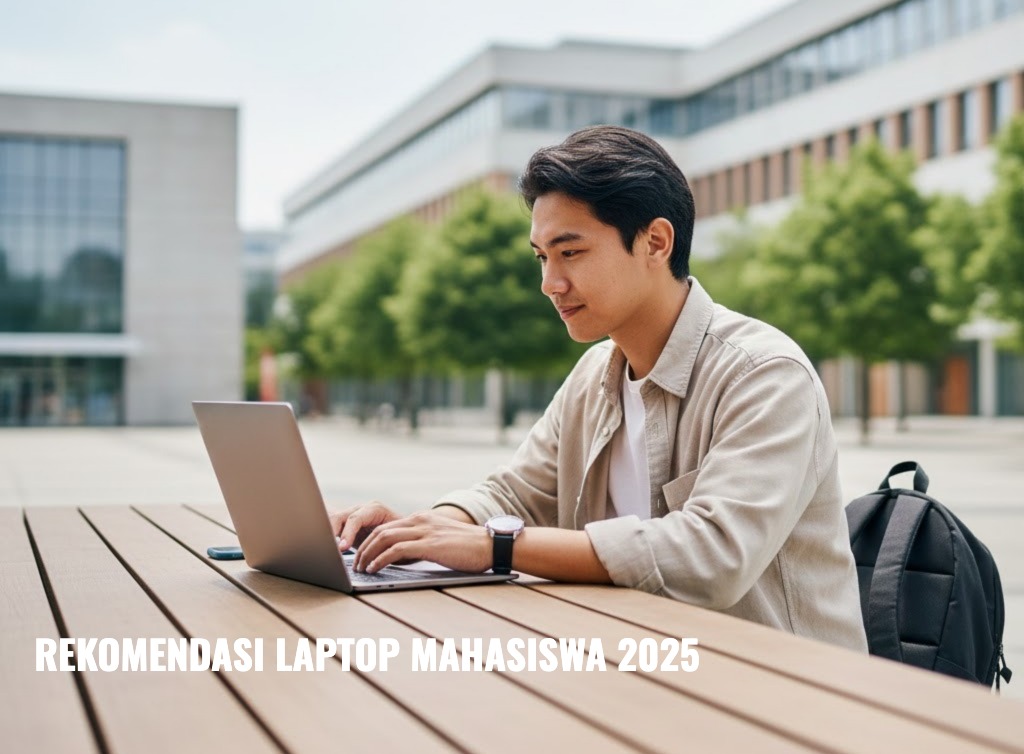
As the end of 2025 approaches, many students face a crucial decision: whether to start college or continue their current semester with a better laptop. Modern academic demands have transformed laptops from mere accessories to essential tools. Online classes, multimedia presentations, large materials, and creative tasks now require devices capable of strong performance and long battery life.
Industry reports from IDC and Gartner in 2025 highlight a shift in student laptop needs toward balanced performance, endurance, and portability. The Indonesian Ministry of Education supports this trend by encouraging digital learning systems, cloud collaboration, and online repositories on campuses. Students need laptops that not only power on but also run smoothly throughout a full day of study.
Laptop Recommendations for New College Students
For freshmen, a mid-range laptop with the latest generation processor, at least 16GB of RAM, and NVMe SSD storage has become the new standard internationally. Apple’s 2025 MacBook Air with Apple Silicon M4 chip now offers 16GB RAM by default. This configuration supports multitasking with many browser tabs, document editors, and video calls running concurrently.
Windows-based brands such as ASUS, Lenovo, and HP emphasize processors like AMD Ryzen 8000 series and Intel Lunar Lake. These chips are designed for energy efficiency alongside AI acceleration. Ultralight laptops such as ASUS Zenbook, Lenovo Slim series, and HP Pavilion Plus are often recommended for their combination of portability and battery life, with some models lasting over 12 hours in light to moderate use, according to RTINGS tests.
Best Laptops for Advanced Students
Students in advanced semesters encounter heavier workloads like research, video editing, and graphic design. Adobe Creative Trends 2025 reports increasing use of high-resolution content and AI generative tools among learners. This group benefits from laptops with stronger graphics performance and advanced cooling systems.
Still, Consumer Reports advises against buying high-spec laptops unnecessarily, as unused power becomes wasted expense. Upper mid-range laptops tend to offer the best balance between cost and capability for these intensive tasks.
Considering Chromebook and Entry-Level Options
Entry-level Windows laptops and Chromebooks remain cost-effective options by the end of 2025. Google for Education endorses Chromebooks for educational institutions due to lightweight OS, security, and long-term updates. These laptops fit well for writing, online research, and presentations but can be limiting where offline or specialized software is needed.
Longevity and Timely Purchase
Microsoft and Apple recommend choosing laptops with sufficient RAM and fast storage to ensure compatibility with future system updates. Devices with minimal specs risk becoming obsolete and may need replacement before graduation. Balanced laptops tend to maintain usability across several years, responding well to evolving academic demands.
The end-of-year period also offers strategic buying opportunities. Retail associations in Indonesia report aggressive electronics promotions including laptops, featuring discounts, educational installment plans, and bundled licensed software. This timing allows students to obtain high-value machines at reduced prices, supporting academic productivity.
In summary, the best laptop for students by late 2025 is one tailored to their study needs, equipped with lasting performance and battery life, plus ease of mobility. Careful consideration avoids overpaying for unused features or facing mid-study replacements. Choosing wisely ensures a laptop becomes a true academic asset rather than a distraction or liability.
-

-
-

-