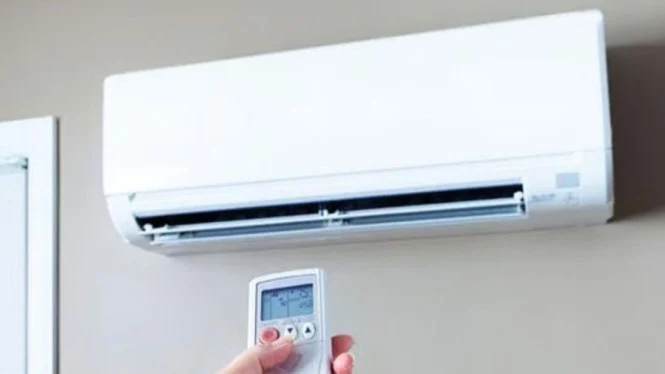
Air conditioners (AC) with a capacity of 1 PK (horsepower) are ideal for cooling rooms between 15 to 20 square meters. This size fits well for master bedrooms or small living rooms. Many consumers hesitate to purchase AC 1 PK, fearing high monthly electricity bills.
Fortunately, today’s market offers many energy-efficient 1 PK ACs. Inverter technology especially helps reduce power consumption, allowing you to stay cool without worrying about excessive energy use. Efficiency is key given recent electricity tariff increases, making low-power ACs more attractive.
Standard 1 PK AC Power Consumption


A typical 1 PK standard AC consumes around 780 to 900 watts. This type is the most common and comes at an affordable price range. Its electricity use remains steady while operating, suitable for regular household needs.
Low-Power 1 PK ACs for Savings
Low-power 1 PK AC models require only between 600 and 750 watts. These units are designed specifically with energy saving in mind. They offer a practical way to reduce monthly electricity expenses without sacrificing comfort.
How Inverter Technology Boosts Efficiency
Inverter 1 PK ACs automatically adjust the compressor speed based on cooling demand. Their power consumption ranges from as low as 200 up to 800 watts. Once the desired temperature is reached, these ACs significantly lower their electricity usage, optimizing energy efficiency.
Electricity Consumption Comparison
For reference, a 780-watt standard AC running for 8 hours daily consumes about 187 kWh monthly. A low-power 650-watt AC uses roughly 156 kWh per month. The inverter models consume the least, averaging only 120 kWh monthly according to expert data.
Key Factors Affecting AC Power Use
Room size directly influences AC workload. Larger rooms force the AC to run harder, increasing power use. Poor insulation or ventilation can also elevate electricity consumption, diminishing overall efficiency.
Practical Tips to Save Electricity
Setting your AC temperature between 24 and 26 degrees Celsius provides comfortable cooling while minimizing energy waste. Avoid extremely low temperatures, which not only spike bills but may cause health issues. Regularly cleaning air filters maintains smooth airflow and reduces workload.
Match AC Specifications with Home Power Supply
Ensure your home’s electrical capacity supports the AC unit. A 1 PK standard AC needs at least a 1300 VA power supply. Meanwhile, inverter models operate well with about 900 VA, preventing frequent power trips.
Must-Have Energy-Saving Features
Choose AC units marked with energy-saving labels or star ratings. Features like automatic timers help switch off the unit when unnecessary. Sleep and eco modes adjust performance during rest hours, lowering power use further.
Balancing Price and Energy Efficiency
Inverter ACs often come with higher upfront costs. However, the electricity savings can compensate for this within 2 to 3 years. Long-term investment in these efficient units reduces total lifecycle expenses.
Maintenance for Continued Efficiency
Regular servicing of your AC every 3 to 6 months is crucial. Low refrigerant (Freon) levels force the compressor to overwork, increasing consumption. Keep the outdoor unit cleared of dirt and obstacles for optimal airflow.
Choosing the right 1 PK AC helps maintain comfort and control electricity costs effectively. Pay attention to your home’s power setup, room size, energy-saving features, and maintenance habits. Investing in quality, efficient ACs pays off through significant savings and sustained performance over time.