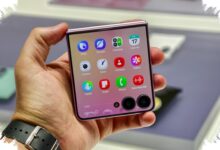


Samsung is set to introduce an innovative feature to combat motion sickness in its upcoming One UI 9, based on Android 17. This new function, named Motion Assist, aims to ease discomfort for users who operate their phones while traveling in vehicles.
The motion sickness problem arises from sensory conflicts between the visual focus on a stable screen and the physical movement felt by the body. Motion Assist addresses this by displaying small moving dots along the edges of the screen. These dots move in sync with the vehicle’s motion, detected via the phone’s gyroscope and accelerometer sensors.
This visual cue trick helps align the brain’s perception of motion with the actual movement, reducing feelings of nausea or dizziness. Importantly, the feature supports core smartphone activities like reading, watching videos, or gaming without disruption.
The concept parallels Apple’s Vehicle Motion Cues feature introduced in iOS 18. Apple’s solution similarly uses animated dots around the screen edges to help users avoid motion-induced discomfort. It activates via the Accessibility menu or automatically when the device detects vehicle travel.
Samsung’s implementation in Android 17 will enhance usability by allowing the Motion Assist visuals to overlay seamlessly on various app interfaces. It will also integrate with a dedicated travel mode, called Transiting Mode, that triggers motion sickness prevention automatically when the device senses vehicle use.
According to leaks, One UI 9 is expected to launch in the third quarter of 2026, in sync with the broader Android 17 rollout. Samsung typically brings core Android updates into its own software experience before expanding availability across Galaxy devices.
Key highlights of Samsung’s Motion Assist feature include:
1. Detection of travel motion via built-in sensors.
2. Animated dots around the screen edges moving in response to vehicle motion.
3. Overlay capability that works atop multiple apps without interference.
4. Automatic or manual activation through a special Transiting Mode.
5. Design aimed to reduce common symptoms of motion sickness like nausea and dizziness.
If fully realized, this feature will enhance digital wellbeing during travel for Samsung users, offering a remedy previously limited to Apple’s ecosystem. This development reflects an ongoing trend of incorporating motion sickness prevention into mobile operating systems.
Samsung’s upcoming One UI 9 and Android 17 update signal a stronger focus on user comfort and accessibility innovations. These improvements could redefine how mobile devices support travelers, especially those prone to motion sickness.
The adoption of such features also highlights growing competition between Android and iOS platforms to provide better contextual user experiences. With Samsung following Apple’s lead on motion sickness remedies and expanding functionality, users might soon expect this as a standard mobile software feature.
Overall, Samsung’s Motion Assist aims to reduce motion sickness and enhance smartphone usability during travel. This feature represents a notable advancement in integrating sensor data and user interface design to promote health and comfort on the go.