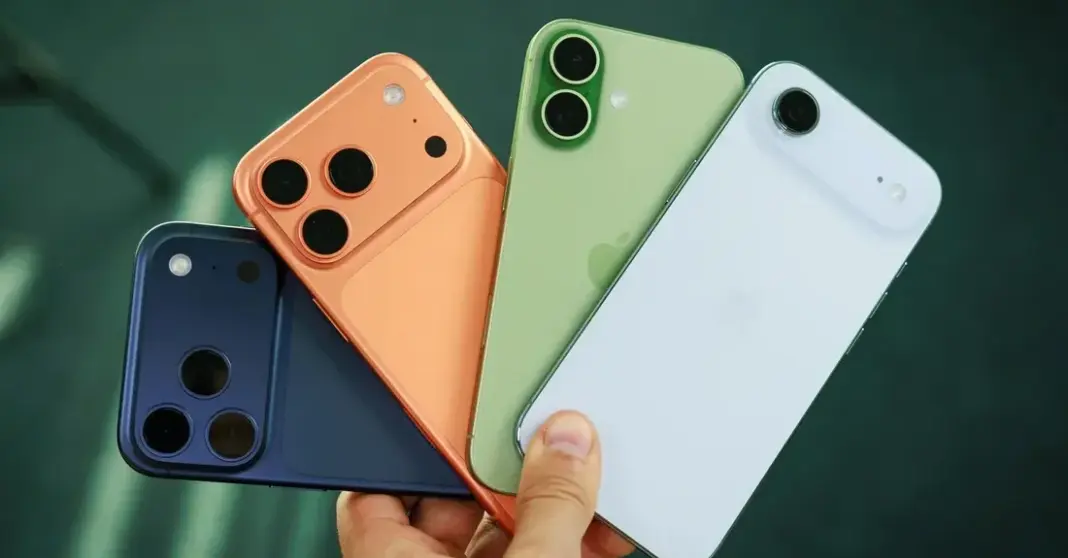
Apple is set to revolutionize the front design of the iPhone with the upcoming iPhone 18 Pro and iPhone 18 Pro Max. The most notable change involves relocating the selfie camera from its traditional central position to the top-left corner of the screen.
This shift breaks Apple’s decade-long front design symmetry established since the iPhone X era, marking a significant design departure noted by The Information. The move accompanies Apple’s plan to hide much of the Face ID hardware beneath the display for a cleaner look.
However, unlike earlier speculation that the TrueDepth camera system would be fully hidden, the new iPhone 18 Pro will retain a small, physical camera cutout on the screen’s upper-left corner. Apple appears to be abandoning further minimization of the Dynamic Island at the screen center, opting instead for off-center placement.


This new asymmetrical front design represents the first major break from Apple’s traditionally strict design principles. The Dynamic Island, introduced with the iPhone 14 Pro for interactive notifications around the camera cutout, is expected to disappear or be replaced by a simpler status indicator.
Apple’s choice to shift the front camera to a corner is reportedly a pragmatic solution amid current technological limits in achieving a full under-display selfie camera. This contrasts with previous incremental design tweaks, signaling a bolder redesign cycle set for the iPhone 18 Pro series.
On the rear, Apple is preparing to enhance the iPhone 18 Pro’s camera system with innovative hardware. The wide or main lens may feature a mechanical variable aperture, allowing physical adjustment of the diaphragm to control light intake, similar to DSLR and mirrorless cameras.
This variable aperture will improve photo quality by adapting to different lighting. For example, a wider aperture like f/1.8 can capture more light in low-light environments, reducing noise and brightening images. Conversely, a narrower aperture (e.g., f/4.0) helps prevent overexposure in bright settings and improves landscape photo sharpness.
The feature also promises better portrait shots with more natural background blur and superior exposure control, enhancing users’ creative options.
Beyond the flagship iPhone 18 Pro, Apple is reportedly advancing its first foldable iPhone prototype. This device could offer a 5.3-inch external screen when closed and a larger 7.7-inch internal display when unfolded.
The foldable model is expected to have a more compact design with a closed aspect ratio near 2:3, possibly making it easier to handle than competitors. Moreover, it may replace Face ID with a side-mounted Touch ID sensor to simplify mechanical design and conserve internal space.
Industry sources predict the foldable iPhone will debut alongside the iPhone 18 lineup in September 2026, marking a major strategic expansion for Apple’s smartphone portfolio.
The iPhone 18 Pro is also rumored to incorporate Apple’s in-house C2 modem, aimed at boosting connectivity performance and energy efficiency. Some reports suggest storage options could increase up to 2TB, which may affect pricing but underline Apple’s push for top-tier specifications.
Apple’s move to internalize critical components like its chipset and modem could help control production costs and moderate price hikes. These advancements convey Apple’s intention to lead, not just follow, innovation trends in the smartphone market.
With these dramatic changes—from an asymmetrical front design and advanced camera hardware to foldable technology—Apple is poised to redefine flagship smartphone expectations from 2026 onward.