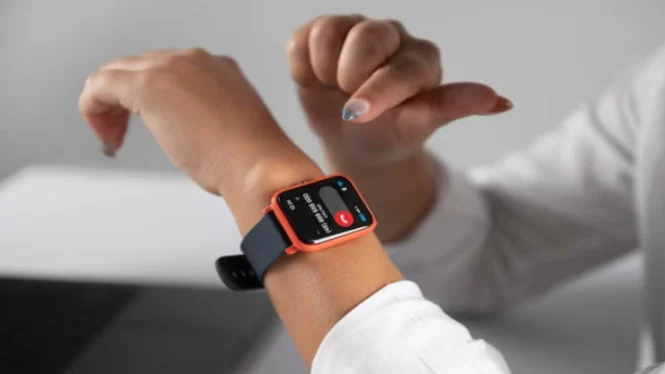
The global wearable market surged by approximately 10 percent in 2025, signaling a strong recovery from the previous year’s slowdown. According to the latest report from International Data Corporation (IDC), shipment volumes exceeded 150 million units in the first nine months alone, reflecting growing consumer demand for wearable technology.
Smartwatches and fitness trackers have evolved from fashion accessories into essential components of personal tech ecosystems. They now offer health monitoring, daily activity tracking, and seamless device connectivity, making them a vital tool for users worldwide.
Smartwatch Segment Remains the Backbone


Smartwatches dominated the wearable sector with nearly 120 million units shipped during the first three quarters of 2025. This segment experienced a steady growth rate of about 7.3 percent, underscoring its continued appeal among consumers who seek advanced features and multi-functional devices.
In contrast, fitness trackers recorded the fastest growth in the industry. Shipments rose by more than 21 percent, reaching close to 33 million units. This surge highlights strong demand for affordable health-monitoring devices, especially among budget-conscious consumers prioritizing basic wellness functions.
Market Leaders: Huawei and Xiaomi
Huawei maintained its position as the global wearable market leader by shipping approximately 28.6 million units in 2025. The success of its Watch GT 6 and Watch GT 6 Pro series played a significant role, although the majority of sales remain concentrated in China. IDC notes that Huawei is accelerating international expansion efforts to diversify its market base and strengthen its global presence.
Xiaomi closely follows Huawei, with total shipments nearing 27.9 million units and the fastest growth among the top five manufacturers. Xiaomi’s strategy focuses on affordable offerings like the Smart Band 10 and Redmi Watch series. These products have gained traction in Southeast Asia and South America, expanding Xiaomi’s footprint beyond China.
Apple and Samsung Target the Premium Segment
Apple continues to focus on the mid-to-high-end market with the Apple Watch, appealing to users invested in its closed ecosystem. Features such as 5G support and satellite messaging enhance user connectivity and loyalty despite limited mass-market penetration.
Samsung rebounded in the latter half of 2025 after a slow start, driven by the launch of Galaxy Watch8 and Watch8 Classic. These premium devices helped Samsung regain momentum and consolidate its position within the high-end wearable category.
Industry Trends and Future Outlook
The rapid growth of fitness trackers reflects a bifurcated market: sophisticated premium devices coexist with simpler, budget-friendly options. IDC forecasts that future growth will be fueled by artificial intelligence integration, improved health monitoring accuracy, and enhanced 5G and satellite connectivity.
With shipments surpassing 150 million units in three quarters, 2025 stands out as a pivotal year for the wearable industry’s evolution. This momentum underscores the increasing importance of wearables in personal technology and daily health management worldwide.