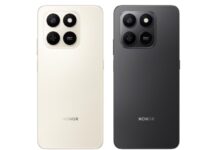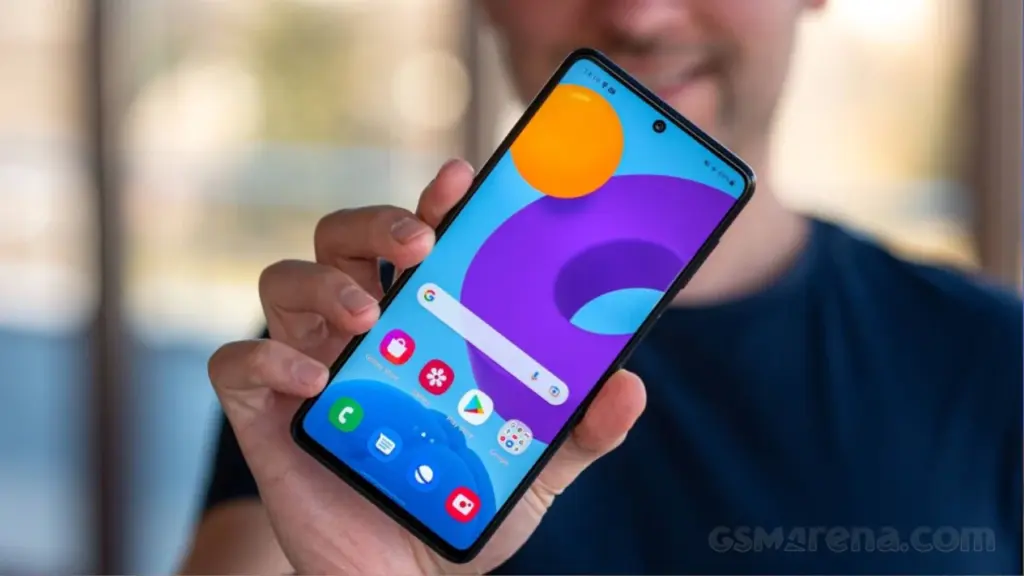
Despite the global shift towards 5G technology, 4G smartphones remain highly popular in Indonesia. Many consumers still prefer 4G devices due to several practical reasons that outweigh the allure of faster 5G networks.
Affordable Pricing Drives 4G Phone Sales
The affordability of 4G smartphones is a key factor in their sustained demand. Most 4G devices fall into the entry-level to mid-range category, priced roughly between $70 and $140. Brands like Samsung and OPPO continue to offer 4G models with adequate specifications for everyday use. This pricing is particularly attractive to students, field workers, and those living in rural areas where budgets are tighter.
Limited 5G Network Coverage
Infrastructure challenges limit the availability of 5G connectivity across Indonesia. Currently, only about 10 percent of the country is covered by 5G networks, mostly in major cities such as Jakarta, Surabaya, Bandung, and Medan. Outside these urban centers, users rely mainly on 4G, making 5G phones less practical for many Indonesians.
Modest Speed Gains and Network Stability
Although 5G promises significantly higher speeds globally, Indonesian users experience only marginal improvements, with speeds ranging around 100–250 Mbps. This is just two to three times faster than many 4G connections, far from the multi-gigabit speeds seen elsewhere. Additionally, 5G networks often switch back to 4G, causing inconsistent experiences. Users thus find 4G devices more stable and reliable for their daily needs.
Varying Levels of Digital Literacy
Digital education and awareness still vary widely across the archipelago. Many users cannot differentiate between 4G and 5G network advantages and prioritize basic smartphone functions over cutting-edge technology. For them, as long as the phone supports calls, messaging, video streaming, and social media, a 4G phone meets their requirements without extra cost.
Manufacturers Continue to Produce 4G Phones
Major smartphone brands like Xiaomi, OPPO, and Samsung sustain production of 4G models, especially targeting budget consumers. Brands such as Infinix, TECNO, and vivo also rely heavily on 4G phones in Indonesia’s market. Given ongoing demand and supply availability, 4G smartphones will likely remain prevalent for the foreseeable future.
Summary of Factors Sustaining 4G Popularity
- Price range for 4G phones: approximately $70–$140
- 5G coverage limited to 10% of the country
- 5G speed improvements modest compared to global levels
- Network stability favors 4G in many areas
- Digital literacy gaps shape consumer preferences
- Continued manufacturer support for 4G devices
While 5G technology holds clear advantages, the current combination of cost, network availability, user needs, and digital understanding makes 4G phones the more sensible choice for most Indonesians. Until broader 5G infrastructure development and education catch up, the 4G smartphone will continue to dominate Indonesia’s mobile market.