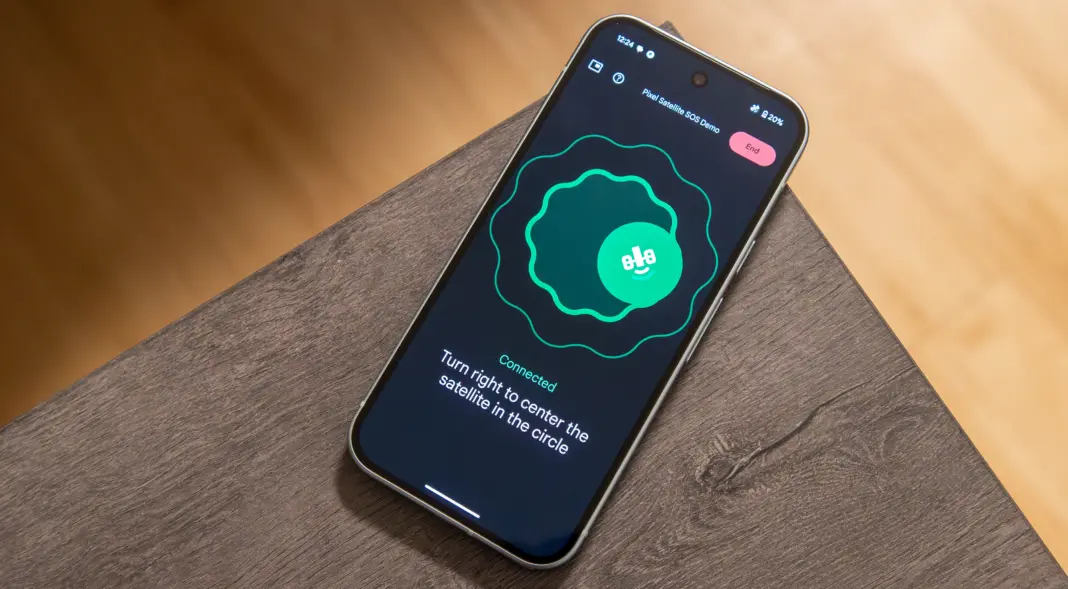
Google is reportedly developing a seamless satellite connectivity feature for Android devices. This initiative aims to enable users to access satellite networks without installing extra apps or complex manual setup.
The plan involves integrating satellite connection capabilities directly into the Android operating system. This approach contrasts with current solutions that often require specific vendor or operator apps, which can be confusing for many users.
Satellite Connectivity Integration

According to leaked internal reports, Android devices will automatically detect and connect to satellite networks using built-in modem chipsets that support satellite technology. Users might only need to enable a simple toggle or grant permissions to start using the feature.
This deeper integration is expected to be accessible through quick settings, the native phone app, or emergency services. It could serve not only emergency communication needs but also general connectivity expansion, especially in areas lacking cellular coverage.
Industry Context and Comparisons
Apple introduced a similar feature, Emergency SOS via Satellite, on its iPhone models. Google’s broader implementation, however, is anticipated to cover everyday use beyond emergencies, making satellite connectivity a more standard option.
This aligns with a growing industry trend where satellite communication moves from niche premium services toward being a fundamental connectivity layer.
Challenges to Overcome
Hardware compatibility poses a significant challenge because not all Android smartphones currently have the antenna or modem capabilities for satellite communication. Collaboration with chipset manufacturers like Qualcomm, MediaTek, and Samsung LSI will be essential to roll out this feature widely.
From a business perspective, Google must devise easy subscription or usage models. Satellite services often come with fees, so integrating billing through Google Play or partnerships with mobile operators may simplify user access.
Power consumption will also require careful management, given that maintaining satellite links can drain battery life faster than typical cellular connections.
Potential Applications and Future Outlook
The feature could benefit outdoor adventurers, workers in remote projects, and rural populations where cellular infrastructure is scarce. Basic satellite-based text messaging or calls might be lifesavers in emergencies.
Beyond personal communication, satellite connectivity could enable system updates, security patches, logistics tracking, and IoT applications in unreachable locations. This expansion might open new enterprise markets for Android.
Google’s ambition signifies a push toward universal connectivity. Alongside advances in 5G, Wi-Fi 7, and AI-powered device management, satellite integration reflects a vision where Android users stay connected anywhere on Earth.
While the official announcement is still awaited, this development promises to reduce digital divides. By making satellite connection easier and more accessible, Android could transform how people communicate beyond the limits of traditional cellular networks.