


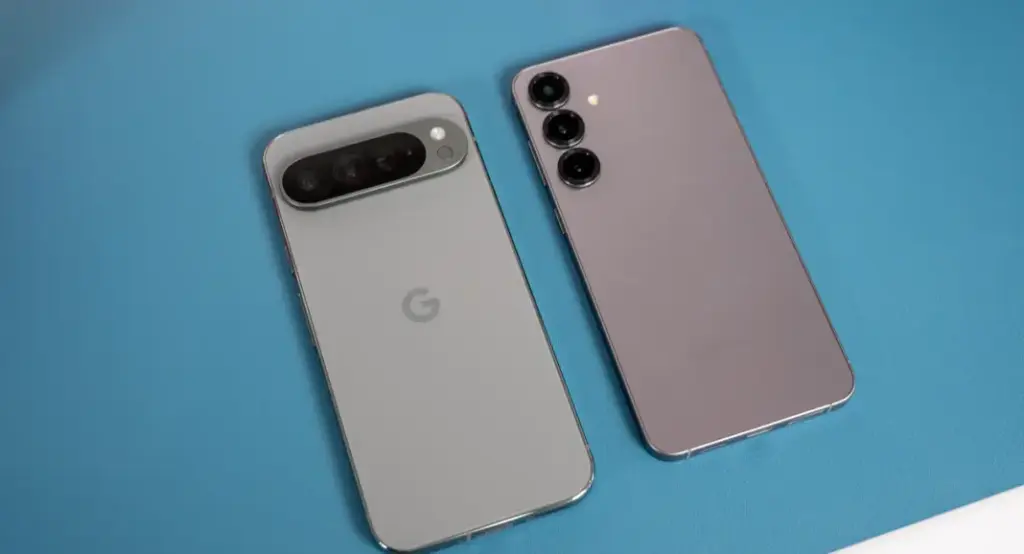
Samsung Galaxy S26 Plus and Google Pixel 10 Pro XL are set to ignite fierce competition in the premium Android smartphone market of 2026. Both flagships aim to attract users seeking cutting-edge performance and innovation.
Samsung’s strength lies in its aggressive hardware approach and a vast ecosystem, while Google focuses on pure software experience and deep AI integration. The Galaxy S26 Plus is expected to feature the new Exynos 2600 chipset built on an advanced 2nm manufacturing process. This innovation promises better power efficiency and reduced heat dissipation. Meanwhile, the Pixel 10 Pro XL will likely continue using Google’s custom Tensor G5 chip, optimized for AI tasks and machine learning.
Display technology on both models is predicted to feature high-refresh-rate AMOLED panels of at least 120Hz, ensuring fluid visuals. Rumors suggest Samsung will adopt a slimmer design for the S26 Plus, whereas Google may refine its signature minimalistic Pixel design. Camera performance remains a key battleground; Samsung tends to emphasize high-resolution sensors and comprehensive photography software.
Conversely, Google excels in computational photography with AI-powered image processing, enabling consistently impressive shots despite more modest hardware. Software ecosystems define much of the user experience. Galaxy S26 Plus will run One UI atop Android, providing extensive customization and seamless integration with Samsung devices. Samsung also promises extended software updates for its flagship line.
Pixel 10 Pro XL offers a stock Android experience with the fastest OS and security patches directly from Google. Exclusive features like Call Screen and Magic Eraser highlight Pixel’s software appeal. Consumers choosing between these phones will weigh preferences for interface, ecosystem, and update speed. Price-wise, Google generally sets a slightly more aggressive price point compared to Samsung, appealing to wider markets with comparable specs.
Both devices are guaranteed to support the latest 5G standards, with Samsung’s 2nm Exynos chip expected to enhance connectivity and efficiency. Google’s approach centers on “hardware-software co-design,” balancing power usage with AI functionality. This competition will benefit consumers by driving faster innovation and more advanced features in premium smartphones.
Ultimately, the decision between Samsung Galaxy S26 Plus and Google Pixel 10 Pro XL will boil down to user priorities: a rich, integrated ecosystem from Samsung or a clean, AI-centric software experience with Google. The flagship rivalry in 2026 promises exciting breakthroughs in both hardware and software domains.