


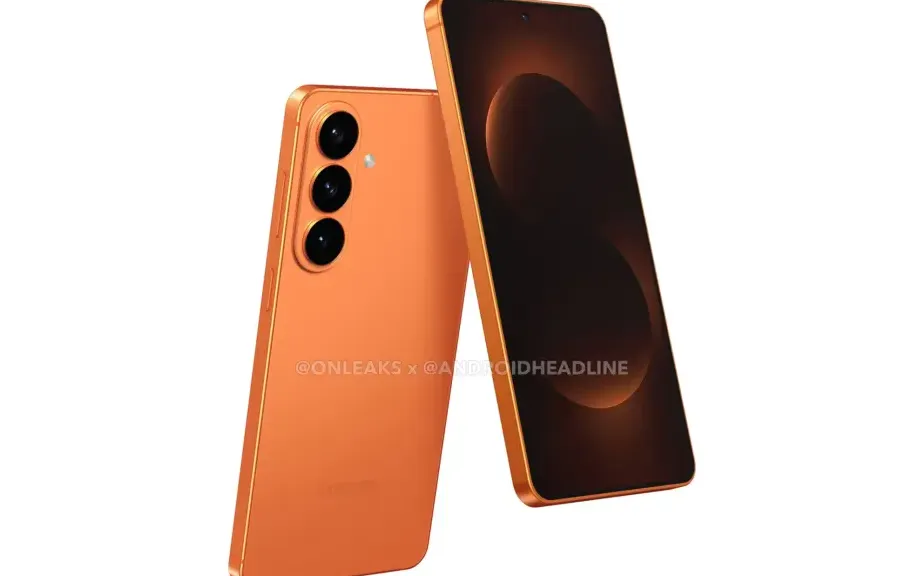
Samsung is set to use its new Exynos 2600 chipset for the upcoming Galaxy S26 and S26+ models in South Korea. This chipset marks Samsung’s first smartphone processor built with a 2nm process technology.
However, unlike previous Exynos chips, the Exynos 2600 does not have an integrated modem. Instead, it relies on an external separate modem, reportedly the Exynos 5410. This was confirmed by a Samsung Semiconductor official via Android Authority.
Typically, modern smartphone chips like the Exynos 2400 or 2500 have integrated modems to reduce power consumption and heat. Placing the modem on the same die as the main processor shortens data travel distance and enhances efficiency.
Having an external modem, as in the Exynos 2600, may lead to higher power draw during cellular data use, calls, and hotspot features. A similar approach was taken with Qualcomm’s Snapdragon 865 in 2020, which faced criticism for increased battery drain during heavy connectivity tasks.
Strategic Reasoning for External Modem
Samsung’s choice of a separate modem on the 2nm Exynos 2600 likely aims to optimize production costs and yield rates. Android Authority notes that freeing up die space by externalizing the modem allows Samsung to allocate more room to GPU or Neural Processing Unit improvements.
This decision also reflects ongoing challenges in perfecting fully integrated 2nm chips at competitive costs and yields. Samsung has not disclosed how this setup will impact real-world battery life, leaving users to await official device testing.
Implications for Consumers and Market
The Galaxy S26 series will probably continue Samsung’s dual-chips strategy, with Exynos variants in some regions and Snapdragon 8 Gen 4 in others. The external modem factor introduces new considerations for connectivity performance and power management.
Consumer acceptance will hinge on how well Samsung can optimize software and firmware to manage this architecture efficiently. If battery performance is affected, it might influence user preferences and market reception of the Exynos-powered Galaxy S26.
Early insights may come from the Galaxy Z Flip 8, which is also rumored to use the Exynos 2600 chipset. Its performance could indicate how Samsung’s 2nm technology handles the trade-offs inherent in this modem design.
Ultimately, the success of the Exynos 2600 will depend on balancing its significant computing upgrades against potential connectivity and power consumption compromises. Samsung’s engineering and optimization efforts prior to launch will be critical in shaping outcomes for its flagship lineup.