Many consumers often confuse Redmi and Xiaomi as the same brand. Both originate from the same Chinese technology giant but serve distinct market needs and strategies. Understanding these differences helps buyers make informed decisions according to their preferences and budgets.
Redmi primarily targets entry-level to mid-range segments. It appeals to young users or those seeking capable smartphones at affordable prices. In contrast, Xiaomi, formerly known as Mi, focuses on the premium segment. Xiaomi models deliver top-tier innovation and a luxury experience for consumers less sensitive to price.
1. Target Market Differences
Redmi phones cater to budget-conscious users aiming for value and solid performance. Xiaomi phones attract users who desire cutting-edge technology and premium features with higher spending power.
2. Price Range Gap
Redmi devices generally start at around $70 and go up to approximately $420 for higher-end models. This range supports a value-for-money strategy. Xiaomi models, on the other hand, typically begin near $450 and can reach roughly $1,300 for Ultra or foldable variants, reflecting investment in R&D and premium materials.
3. Specification Focus
Redmi emphasizes practical daily features like large batteries, wide displays, and efficient processors designed for mid-level gaming. Xiaomi consistently integrates the latest technology, such as high-speed processors, highly color-accurate displays, and wireless charging options usually absent in entry-level phones.
4. Camera Technology & Leica Partnership
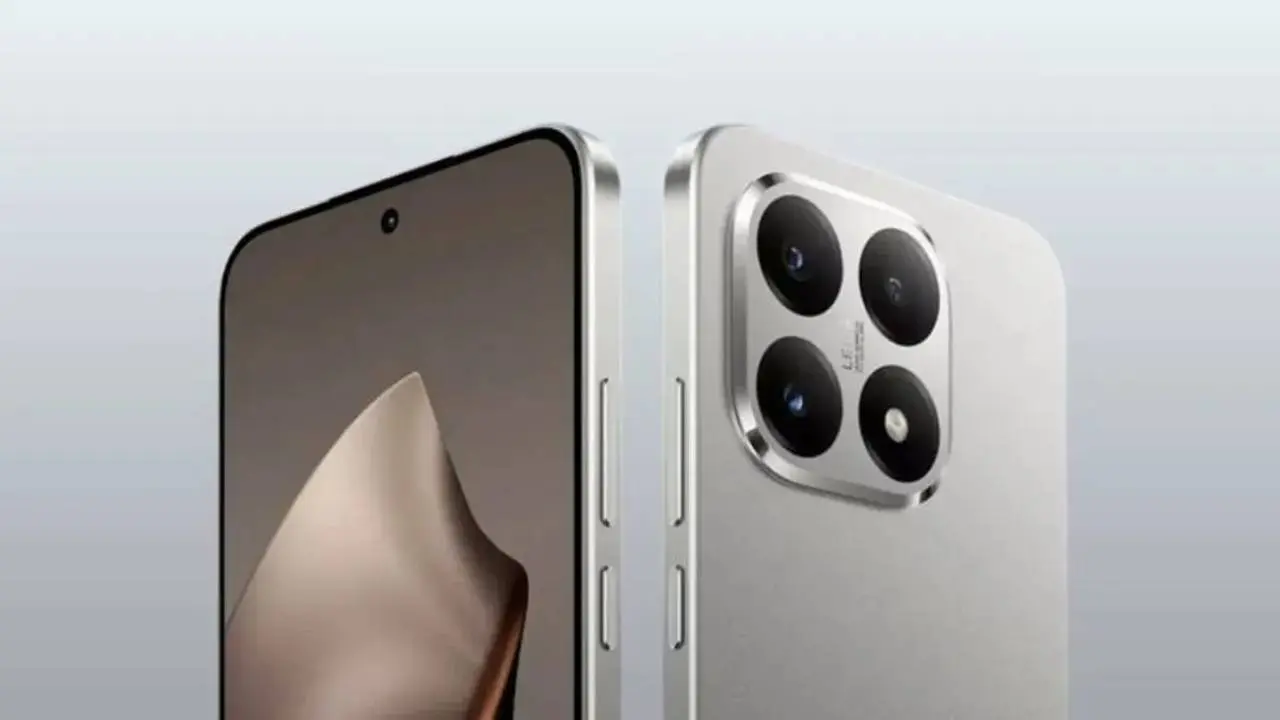
Xiaomi’s flagship numbered series (e.g., Xiaomi 14 and 15) benefit from an exclusive collaboration with German camera legend Leica. This partnership elevates image quality and processing to a professional standard. Redmi phones, even with high-resolution sensors, lack Leica’s premium optics and branding.
5. Design and Material Quality
Physically, Xiaomi models use premium materials like ceramic glass, aerospace-grade aluminum, or vegan leather with elegant finishes. Redmi phones adopt more colorful, dynamic designs with materials chosen to reduce costs but maintain durability.
By distinguishing these five key aspects—market targeting, pricing, specs, camera technology, and build quality—consumers can better navigate the often-misunderstood relationship between Redmi and Xiaomi. This clarity ensures buyers select devices aligning with their priorities, whether affordable performance or premium innovation.
-
-
-
-