The global shortage of RAM chips has triggered a significant increase in smartphone prices, hitting Xiaomi first and signaling broader impacts across the industry. The shortage stems largely from soaring demand for memory chips in artificial intelligence (AI) and data center applications. These sectors provide higher profit margins, causing chip manufacturers to prioritize them over consumer electronics.
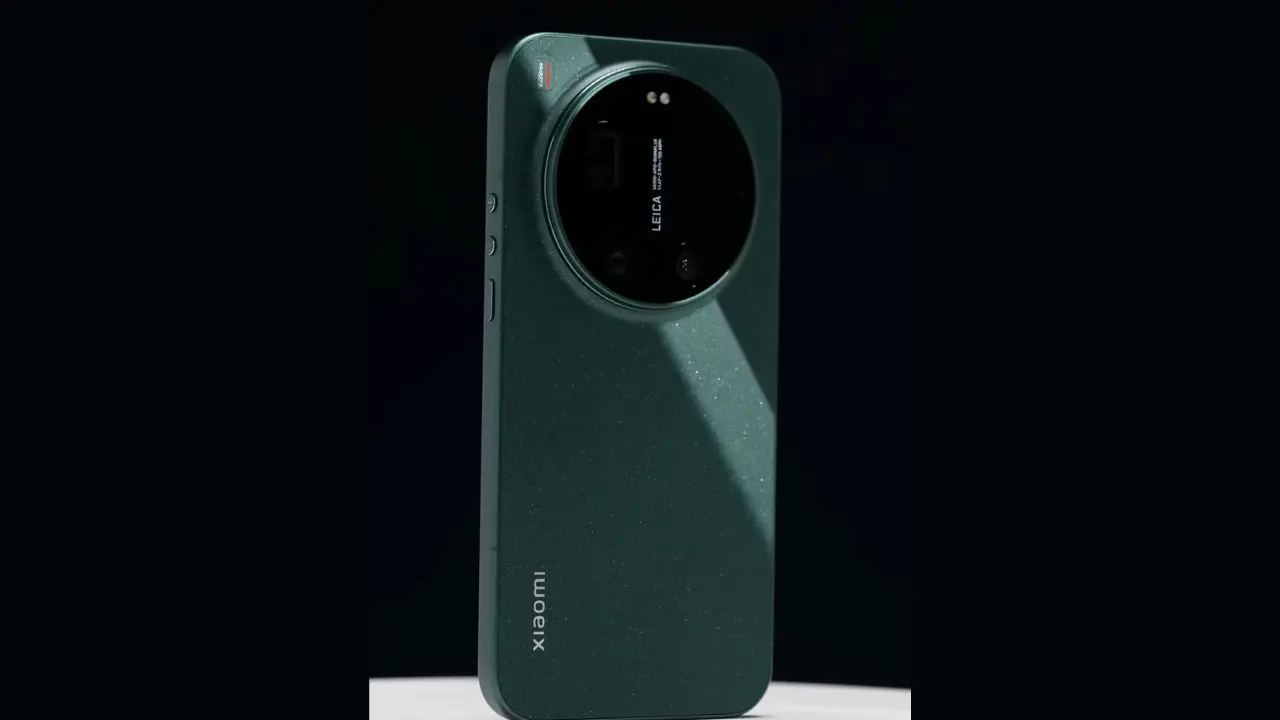
Xiaomi’s latest flagship, the Xiaomi 17 Ultra, exemplifies these price pressures. Launched with a 12GB RAM and 256GB storage variant priced at 6,999 yuan (about $1,020), its price is nearly 10% higher than the previous Xiaomi 15 Ultra model. This rise reflects the escalating costs faced by smartphone makers due to constrained RAM supplies.
Impact of the RAM Shortage on Production Costs


Prices for DRAM and NAND flash memory components have surged sharply, increasing by up to 30% in just the last two quarters of 2025. Industry leaders like Samsung, SK Hynix, and Micron have shifted the majority of their chip production to AI and server sectors. This shift leaves limited supplies for smartphones and other consumer devices, directly inflating production expenses.
Xiaomi’s President Lu Weibing has underscored the unavoidable price adjustments due to these cost rises. RAM components alone constitute around 20% of a smartphone’s bill of materials (BOM). Reports have documented that Samsung’s chip prices climbed as much as 60% between September and November 2025, signaling escalating pressures on manufacturers.
Forecasts of Price Increases and Potential Specification Cuts
Market research firms predict this price hike will extend past Xiaomi, affecting global smartphone pricing throughout 2026. Counterpoint Research projects a 2.1% decline in smartphone shipments globally next year, with average selling prices (ASP) rising by nearly 7%. IDC estimates price increases between 3% and 8%.
Component costs have climbed unevenly:
- Entry-level smartphones: 20-30% increase
- Mid-range smartphones: approximately 15% increase
- Flagship models: about 10% increase
Memory prices may further escalate by up to 40% through mid-2026. Due to thin profit margins in lower-tier segments, manufacturers might face difficult choices between raising prices or cutting hardware specs.
This scenario likely means:
- Entry-level smartphones reverting to 4GB RAM
- Mid-range devices capping RAM at 6–8GB instead of 12GB
- Flagship devices maintaining 12GB RAM rather than upgrading to 16GB
Such measures aim to balance costs without alienating budget-sensitive consumers.
Wider Industry Reactions and Market Outlook
Other major brands are expected to raise their prices following Xiaomi’s lead. Samsung has set ambitious sales targets for its Galaxy S26 and Galaxy Z Fold8/Flip8 series, likely to offset tighter margins caused by rising component costs. Despite large cash reserves and long-term supply contracts, Samsung is not immune.
Apple is also confronting increased memory costs for iPhones anticipated in early 2026. This may prompt Apple to revise pricing strategies or reduce discounts on older models.
Chinese manufacturers such as Honor, Oppo, and Vivo are predicted to experience sharper shipment declines due to these supply constraints and price pressures. Some experts have dubbed the phenomenon “RAMageddon” to emphasize the extreme stress on global memory markets.
The RAM shortage impact extends beyond smartphones to PCs and laptops, signaling higher prices and possible specification compromises may persist into 2027. Analysts advise consumers worldwide to anticipate these challenges unless there is a significant shift in chip supply or demand dynamics.
This ongoing RAM crisis represents a fundamental challenge for electronics manufacturers, fundamentally reshaping product pricing and performance standards across multiple consumer technology sectors.