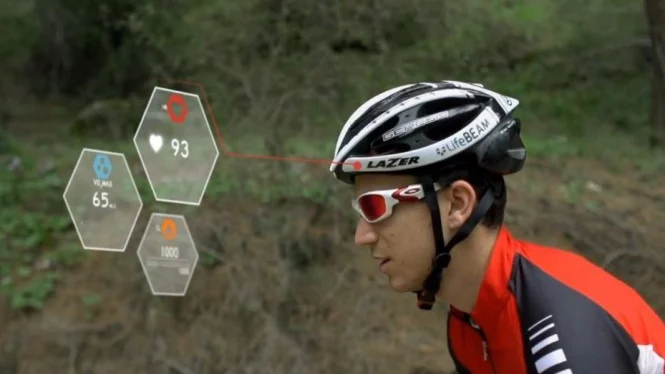
Smart helmets in 2025 are revolutionizing road safety by evolving from simple protective gear into advanced riding assistants. These helmets are now integrated with digital systems that provide real-time information, alerts, and emergency support automatically, enhancing rider awareness and safety.
This innovation responds to the growing need for safer navigation amid increasingly dense traffic. Equipped with artificial intelligence (AI) and augmented reality (AR), smart helmets have become essential elements of modern riding gear, moving beyond their traditional role.
Augmented Reality Navigation on the Visor
One standout feature of the smart helmet is the use of augmented reality through a heads-up display on a transparent visor. Critical data such as speed, navigation cues, and traffic notifications appear directly in the rider’s line of sight. This setup eliminates the need for frequent glances at smartphones or dashboards, allowing riders to keep their focus on the road.
The AR display is designed to be unobtrusive, maintaining clear visibility while presenting information simply and clearly. This feature is especially useful for long-distance journeys or unfamiliar routes, where continuous guidance improves safety and convenience.
Wide-Angle Rear Camera for Enhanced Visibility
Addressing the persistent issue of blind spots, smart helmets now incorporate wide-angle cameras mounted on the back. Feed from these cameras is streamed live onto a section of the visor, providing riders with a real-time view of what’s behind them.
This innovation allows motorcyclists to monitor surrounding vehicles without extensive head turning, reducing accident risks caused by sudden lane changes. Early detection of vehicles approaching from the sides improves overall road awareness and defensive riding.
AI and Health Sensors to Protect Riders
AI technology forms the core of the smart helmet’s safety ecosystem. Built-in gyroscope and accelerometer sensors detect impact forces indicative of crashes. Upon detecting an accident, the helmet automatically sends an emergency signal with GPS coordinates to predefined contacts or medical services.
Additionally, health-monitoring sensors embedded inside the helmet track vital signs such as heart rate. If the system registers abnormal patterns suggesting fatigue or distress, it alerts the rider to take a rest, proactively preventing accidents linked to physical exhaustion.
Integrated Audio Systems with Noise Cancellation
Smart helmets feature integrated audio modules that enable clear voice navigation, phone calls, and rider-to-rider communication. Partnerships with renowned audio brands like Harman Kardon and Sena ensure superior sound quality within the helmet.
The active noise control technology suppresses wind and road noise while preserving important acoustic cues like horns and sirens. This balance enhances rider comfort without compromising the ability to respond to critical sounds in traffic.
Challenges and Market Readiness
Despite their advanced capabilities, smart helmets face challenges in market adoption. Their price points are approximately two to three times higher than conventional helmets, limiting accessibility mainly to premium segments. Battery life is another concern; most smart helmets require daily charging and deliver operational times around six to eight hours, demanding routine maintenance from users.
Looking forward, ongoing technological refinement and cost reduction are expected to make smart helmets more affordable and practical. They are poised to become an industry standard, essential safety equipment for motorcyclists who prioritize protection and convenience on the road.