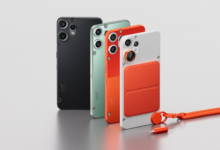
The Itel A90 and A100C smartphones appear quite similar on paper, both featuring the Unisoc T7100 chipset, 4GB RAM, and 64GB storage. However, the key differences lie in their durability features and design elements. This distinction ultimately guides which model suits different user preferences in early 2026.
The Itel A90 offers an IP54 rating, meaning it can resist water splashes, making it ideal for users who prioritize protection against liquid exposure. In contrast, the Itel A100C omits an official IP rating but compensates with Military Grade durability (MIL-STD-810H standard). This certification ensures the phone can survive drops from up to 1.22 meters, operate in extreme temperatures, and withstand high humidity. Therefore, users needing a phone resistant to physical shocks might find the A100C more valuable.
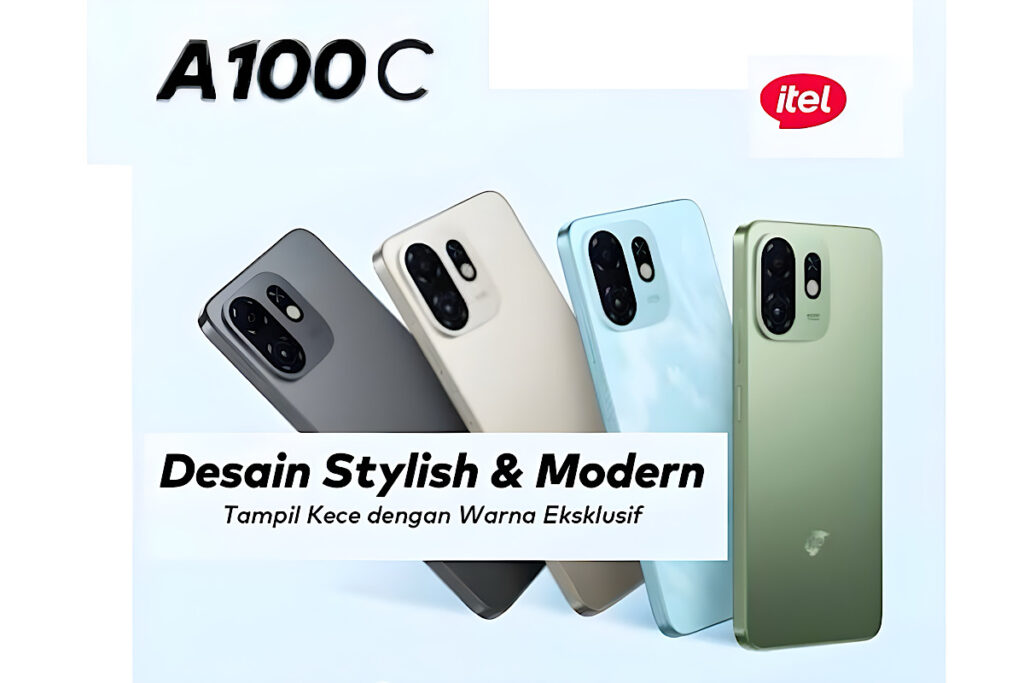
Design-wise, the Itel A90 sports a triple “popping” camera setup with a 13MP main sensor, while the A100C uses a sleeker design without protruding lenses and includes an infrared (IR) blaster, a feature uncommon in budget smartphones. The A100C’s main camera has an 8MP resolution, paired with an LED flash. The selfie camera on both devices is 5MP and housed within a waterdrop notch on a 6.6-inch HD+ IPS display. Notably, the A100C supports a 90Hz refresh rate and can reach 400 nits brightness, enhancing visual fluidity and screen visibility outdoors.
Operating systems mark another difference: the Itel A90 runs Android 14, whereas the newer A100C comes with Android 15 Go edition. This update offers better optimization for entry-level devices, improving overall performance and user experience.
Battery capacity is substantial on both phones, with a 5,000mAh battery in the A100C allowing longer usage, although exact charging speeds are unspecified but likely range between 10-15W. Additional features on the A100C include side-mounted fingerprint scanning for secure access and DTS audio support for improved sound quality.
The A100C is available in four color options: Pure Black, Titanium Gold, Blaze Blue, and Silk Green, which adds visual variety for consumers. Despite being entry-level handsets, both models aim to deliver smooth performance without lag for daily tasks, supported by the efficient Unisoc T7100 SoC with an octa-core CPU clocked up to 1.8 GHz and Mali-G52 MP2 GPU.
In summary, users choosing between the Itel A90 and A100C must consider their primary durability needs. If water resistance against splashes is important, the A90’s IP54 rating makes it suitable. For those who require a phone that can endure accidental drops with military-grade toughness, the A100C is a better fit. Both phones offer responsive performance and practical features at an affordable price point of roughly $65 USD, aligning with budget-conscious buyers’ expectations.
This nuanced distinction between splash resistance and drop protection highlights how manufacturers target different durability aspects even within similar price brackets. Ultimately, it reflects the growing demand for rugged yet affordable smartphones adaptable to diverse user lifestyles and environments in 2026.