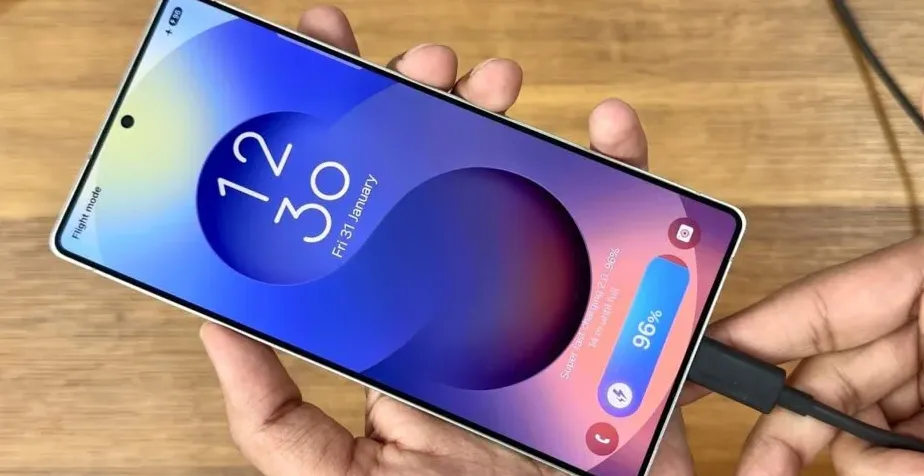
Samsung is reportedly considering using OLED panels from the Chinese manufacturer BOE for its future Galaxy S flagship smartphones. This potential shift indicates a significant strategic move, as Samsung Display has traditionally been the exclusive supplier for its premium Galaxy S lineup.
The rumors emerged from multiple reliable sources in China, including well-known tipsters like Ice Universe and DealSite. These sources revealed that the President of Samsung Telecommunications recently met with BOE’s CEO. The high-level meeting not only discussed their ongoing collaboration in TV LCD panels but also explored the possibility of BOE supplying OLED panels for Samsung’s top-tier smartphones.
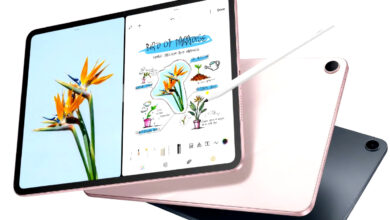
For years, Samsung Display has been the backbone of screen supply across Samsung’s premium devices, including the latest Galaxy S25 Ultra, Galaxy Z foldables, and Galaxy Tab tablets. Introducing BOE panels to flagship phones would mark the first time Samsung sources OLED displays externally for this product segment.


The motivation behind this consideration stems from increasing costs in mobile component manufacturing. Prices for critical parts such as processors, camera sensors, and memory have been climbing steadily. Samsung aims to maintain competitive pricing and avoid passing significant cost increases onto consumers. Therefore, diversifying its panel suppliers emerges as a practical cost-containment strategy.
BOE has strengthened its reputation in recent years as a reliable panel supplier. Notably, major companies like Apple have entrusted BOE with supplying OLED panels for some mid-range iPhone models. Market reception of BOE panels has been generally positive, reinforcing Samsung’s interest from a quality standpoint.
Despite a recent patent dispute in which Samsung Display won an infringement case against BOE, leading to temporary restrictions on BOE’s OLED shipments to the US, the business relationship between the two companies appears to have improved significantly. This development fosters deeper talks about potential partnerships beyond their existing LCD TV panel supply arrangement.
Samsung has yet to make any official announcement, indicating that evaluation and negotiation processes are still ongoing. Factors like panel quality, supply stability, pricing, and BOE’s ability to meet Samsung’s stringent standards for Galaxy S devices will heavily influence any final decision.
If Samsung proceeds with incorporating BOE panels, it could alter the global display industry landscape and Samsung’s pricing strategies. Having multiple suppliers enhances Samsung’s bargaining power and can help stabilize production costs, mimicking strategies used by competitors such as Apple.
BOE’s entry into Samsung’s flagship smartphone supply chain would signal a milestone for the Chinese company in penetrating the high-end market. Simultaneously, Samsung Display will face increased competition, pushing it to maintain or surpass its current performance benchmarks.
For consumers, changes in display suppliers often raise concerns about consistency in quality. However, Samsung’s rigorous quality control protocols require all panels to pass uniform testing standards, regardless of the source. BOE’s successful partnerships with top-tier brands further attest to its ability to deliver premium displays.
Market watchers will be paying close attention to how this development affects models like the Galaxy S25 FE and the 512GB variant targeting Gen Z users. It remains uncertain whether Samsung will implement the new supplier gradually, starting with mid-range models, or directly integrate BOE panels into the flagship Galaxy S series.
This evolving partnership between Samsung and BOE highlights the complex and dynamic nature of global smartphone manufacturing. The industry continues to balance innovation, costs, supply chain resilience, and competitive positioning in pursuit of delivering cutting-edge devices.