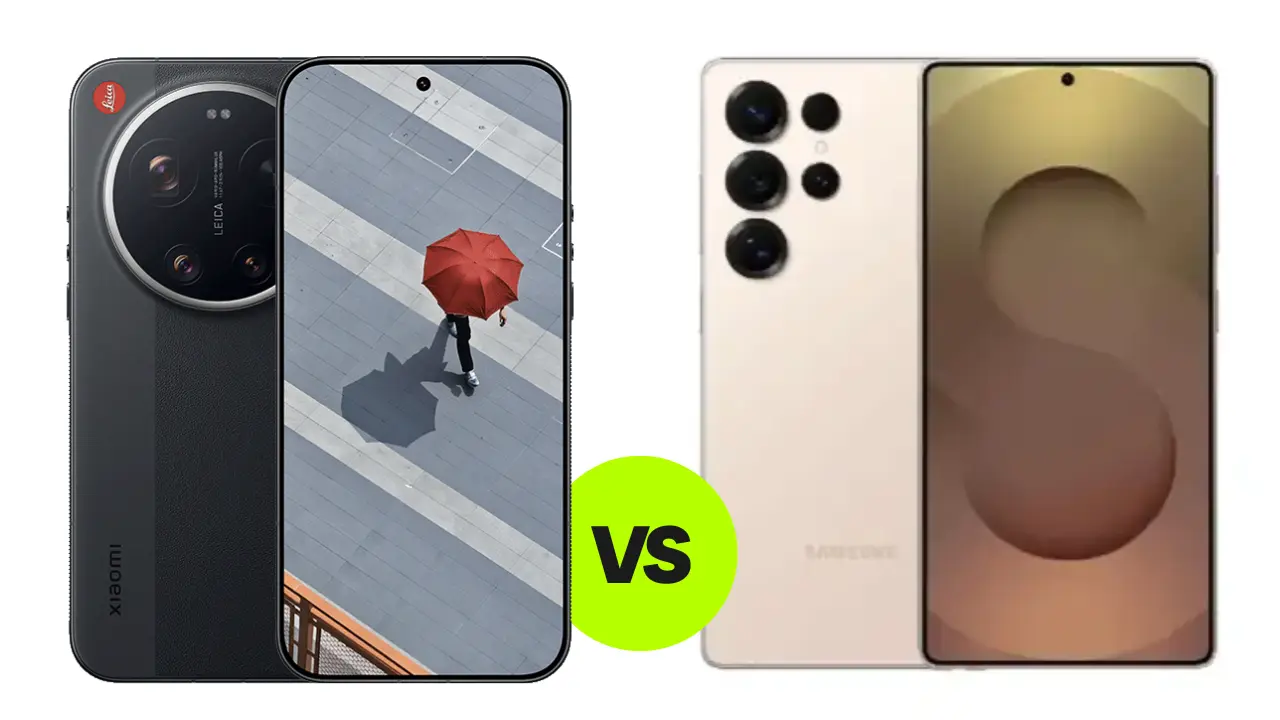
Ahead of 2026, Xiaomi 17 Ultra and Samsung Galaxy S25 Ultra are set to compete fiercely in the premium flagship segment. Both target high-end Android users but approach the market with distinct philosophies. Xiaomi pushes bold innovation and creative features, especially in photography. Samsung emphasizes a mature ecosystem and long-term software support.
This comparison is crucial for discerning consumers. Beyond specs, it highlights differences in usage style and durability over time. Understanding these variations can guide buyers in choosing the device best suited for their lifestyle.
Design and Display: Creativity Versus Professionalism
Xiaomi 17 Ultra features a large Leica-branded camera module, signaling its creative DNA aimed at photography enthusiasts and outdoor users. Its robust body construction enhances durability under varying conditions. In contrast, Galaxy S25 Ultra maintains Samsung’s signature minimalist design, with sharp lines and premium finishing that appeal to business and productivity users.
The Xiaomi panel is an LTPO AMOLED with very high resolution and HDR Vivid support. It achieves a peak brightness of up to 3,500 nits, delivering vivid visuals ideal for entertainment and creative work. Samsung counters with a Dynamic LTPO AMOLED 2X screen, protected by the latest Gorilla Armor and an anti-reflective coating. This setup offers sharpness and reading comfort over extended use.
Performance and Battery: Speed Meets Stability
Under the hood, Xiaomi 17 Ultra runs on the Snapdragon 8 Elite Gen 5 chipset, engineered for high performance and AI efficiency. It handles heavy multitasking, advanced photo processing, and high-resolution video recording smoothly. Meanwhile, Galaxy S25 Ultra uses a globally tuned Snapdragon 8 Elite that favors stability and consistent performance, supported by Samsung’s optimized One UI.
Battery capacity also distinguishes these phones. Xiaomi boasts a large 6,800 mAh battery, paired with 90W fast charging for both wired and wireless modes. This suits users with intensive usage patterns. Samsung opts for a 5,000 mAh battery with 45W wired and 15W wireless charging, which prioritizes efficiency and longer battery lifespan.
Camera Systems: Leica’s Artistic Experimentation and Samsung’s Zoom Versatility
Xiaomi 17 Ultra offers a triple-camera setup with a 50 MP main sensor, a 200 MP periscope camera supporting continuous optical zoom from 3.2x to 4.3x, and a 50 MP ultra-wide lens. The Leica partnership enhances color rendition and flexibility for creative photography. For selfies and vlogging, a detailed 50 MP front camera is included.
Samsung S25 Ultra uses a different strategy with a 200 MP main sensor, complemented by a 3x telephoto lens, a 5x periscope zoom lens, and a 50 MP ultra-wide camera. This configuration excels in zoom capabilities and consistent photo quality across different lighting conditions. Its 12 MP front camera balances natural color and reliable HDR for social media.
Software and Update Support
Xiaomi 17 Ultra runs on HyperOS 3 based on Android 16, focusing on personalized AI and customization features. Samsung Galaxy S25 Ultra ships with One UI 8 and promises up to seven major Android updates. This extensive support gives Samsung an upper hand for users planning long device lifecycles.
Price and Value Proposition
Globally, Xiaomi 17 Ultra is expected to be priced between approximately $1,100 to $1,380 depending on configurations. Galaxy S25 Ultra starts around $1,250 for the base model, reaching up to about $1,900 for top variants. Xiaomi offers higher raw specs for the price, whereas Samsung provides peace of mind through software longevity, stability, and a mature ecosystem.
Key Specs at a Glance
| Feature | Xiaomi 17 Ultra | Samsung Galaxy S25 Ultra |
|---|---|---|
| Main Chipset | Snapdragon 8 Elite Gen 5 | Snapdragon 8 Elite (global tune) |
| Display | LTPO AMOLED, 3,500 nits brightness | Dynamic LTPO AMOLED 2X, Gorilla Armor |
| Battery | 6,800 mAh, 90W wired/wireless | 5,000 mAh, 45W wired, 15W wireless |
| Rear Cameras | 50MP + 200MP Periscope (3.2x-4.3x) + 50MP Ultra-wide | 200MP + 3x Telephoto + 5x Periscope + 50MP Ultra-wide |
| Front Camera | 50 MP | 12 MP |
| Software | HyperOS 3 (Android 16) | One UI 8, up to 7 Android updates |
| Price Range (USD) | $1,100 – $1,380 | $1,250 – $1,900 |
When choosing between these contenders, consumers should weigh creativity and peak performance against system stability and extensive future-proofing. Xiaomi 17 Ultra suits creators and power users seeking cutting-edge imaging and fast charging at a competitive price. Samsung Galaxy S25 Ultra appeals to professionals wanting a balanced premium experience with software backed for years.
Understanding your priorities can help determine which flagship is more worthy of investment in 2026’s high-end Android market.
-
-
-
-