


Apple’s iOS has evolved significantly from its early days to the present, raising questions about which version of its interface users find most stable and enjoyable. Among the notable iterations, iOS 6, iOS 12, and iOS 16 stand out for their blend of stability, performance, and user-friendly design.
iOS 6, released in September 2012 alongside the iPhone 5, is often hailed as a golden era for Apple’s operating system. The design featured skeuomorphism, mimicking real-world objects like calendars and buttons, which many users found intuitive. This version was praised for its high stability, smooth animations, and reliable performance even on older devices, making it memorable as one of the most comfortable iOS experiences.
Fast forward to 2018, Apple introduced iOS 12 with a primary goal to improve performance and reliability, especially on older iPhones. This update corrected many of the shortcomings from iOS 11, which suffered from bugs and inconsistent behavior. Users of iOS 12 enjoyed faster app launch times, lighter system animations, better RAM management, and improved battery efficiency. The balance achieved in iOS 12 provided a notably smooth experience, gaining praise for extending the life usability of older hardware.
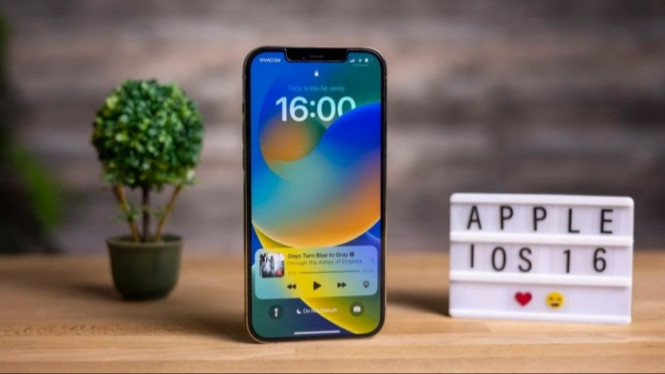
Released in 2022, iOS 16 shows Apple’s maturity in merging new features with system stability. It brought significant enhancements to the lock screen, allowing widget integration, dynamic fonts, and revamped notifications. Despite these considerable changes, iOS 16 maintained or even improved overall stability and delivered consistent performance across various iPhone models. Observers highlight iOS 16 as a harmonious update, integrating modern customization without sacrificing seamlessness.
However, not all iOS versions were equally well-received. iOS 7’s shift to a flat design was met with criticism for being unfamiliar and demanding on older devices. iOS 11’s overhaul of the Control Center and App Store came with bugs that undermined usability. More recently, iOS 26 introduced heavy transparency and glass-like effects, which some users reported caused visual discomfort and slowed system responsiveness.
These examples suggest that radical interface redesigns often risk sacrificing stability, especially on aging hardware. Meanwhile, versions that prioritize performance and balance tend to foster stronger user satisfaction.
When comparing these standout iOS versions by their user interfaces, the question remains: do users prefer the classic, skeuomorphic simplicity of iOS 6, the efficient, performance-driven approach of iOS 12, or the polished, customizable modernity of iOS 16? Each era appeals to different preferences depending on whether simplicity, reliability, or customization is the priority.
Key Features Comparison of iOS 6, iOS 12, and iOS 16
| iOS Version | Release Year | Design Style | Performance Highlights | User Experience Notes |
|---|---|---|---|---|
| iOS 6 | 2012 | Skeuomorphic (realistic) | High stability, smooth animations, good for older devices | Regarded as a comfortable, reliable classic |
| iOS 12 | 2018 | Refined, performance-focused | Faster app loading, efficient RAM, longer battery life | Praised for revitalizing older iPhones |
| iOS 16 | 2022 | Modern, customizable | Improved stability, consistent performance across devices | Combines innovation with system harmony |
Users continue to debate their favorite iOS interface version, balancing nostalgia against innovation and stability against customization. Apple’s focus on refining experience over the years shows progress can coexist with reliability, illustrating lessons learned from both successes and challenges within iOS history.