


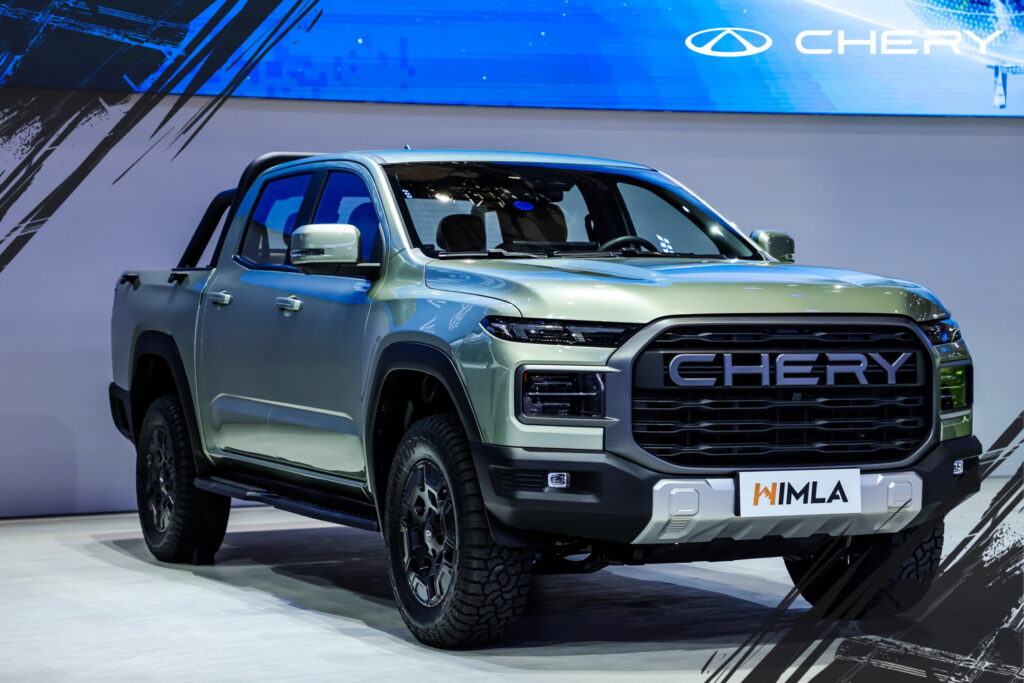
Chery is preparing a groundbreaking pickup that integrates a plug-in hybrid system with a diesel engine. This bold strategy aims to challenge long-standing leaders like the Ford Ranger and Toyota Hilux in the global pickup segment. By combining diesel turbo power with electric motor efficiency, Chery targets customers looking for strength and fuel economy in one package.
Unlike most hybrid pickups that lean on gasoline or pure electric motors, Chery’s approach uses "the best of both worlds." At low speeds or in city traffic, the truck can operate silently on electric-only power, producing zero emissions. When more power is required, such as hauling heavy loads or climbing steep roads, the diesel engine kicks in alongside the electric motor. This synergy delivers instant torque along with sustained diesel durability.
Innovative Diesel-Electric Hybrid System
Chery’s plug-in hybrid diesel system intelligently manages energy flow. It decides when to run on electric power alone, switch on the diesel engine, or use both simultaneously. Regenerative braking recaptures energy to recharge the battery during deceleration, increasing overall efficiency. This technology offers a practical solution in markets where charging infrastructure is limited, as it allows extended driving without sacrificing performance.
Preliminary specs reveal a combined output of over 400 horsepower and around 850 Nm of torque. This power level greatly exceeds conventional diesel pickups, which typically produce between 200 and 250 hp. Acceleration from 0 to 100 km/h is claimed at just 5.8 seconds — an exceptional figure rarely seen in pickups designed primarily for work.
Fuel Efficiency and Range Advantages
The battery enables pure electric driving for roughly 80 to 100 kilometers on a single charge. This allows daily urban commutes to be completed without using any diesel fuel. For longer trips, the diesel engine recharges the battery and supplies additional power. Chery claims the hybrid system achieves fuel consumption rates of 30 to 35 kilometers per liter in full hybrid mode, an impressive benchmark for a high-performance pickup.
This balance between power and economy positions the Chery hybrid pickup uniquely against rivals. Ford Ranger and Toyota Hilux predominantly rely on diesel engines with minimal electrification. BYD’s Shark hybrid uses a gasoline engine, which may not deliver ideal low-end torque when hauling heavy loads.
Competitive Pricing Strategy
The Chery pickup is expected to be priced between $35,000 and $45,000 globally. Converting this to Indonesian Rupiah approximates Rp525 million to Rp675 million. This pricing undercuts many hybrid or electric competitors while offering advanced plug-in hybrid diesel technology. It also aligns closely with the cost of top-trim diesel-only Ford Ranger and Hilux models.
By pricing aggressively but maintaining premium features, Chery aims to disrupt the pickup segment, especially in developing markets like Asia and Australia. The pickup is slated to launch initially in China, followed by Australia and South America, with strong potential in Europe and the Middle East due to stringent emissions rules favoring hybrid tech.
Chery’s Vision for 2030 and Market Impact
This pickup is not merely a new model but symbolizes Chery’s long-term vision. They see hybrid vehicles as the most practical bridge between internal combustion and full electric mobility. Their goal is to tailor powertrains that suit real-world conditions such as limited charging infrastructure and long-distance travel demands.
With heavy investment in battery, engine, and energy management R&D, Chery expects future models across their lineup, including SUVs and pickups, to have significant electrification. The finishing touch is a system that rejects sacrificing utility for sustainability.
If successfully launched, Chery’s plug-in hybrid diesel pickup could redefine global pickups. It promises customers a vehicle that is strong, durable, efficient, and technologically advanced—offering an alternative to the noisy, fuel-thirsty pickups traditionally seen. This innovation could change how the market values pickups: no longer just workhorses but smart and eco-friendly machines ready for the future.