


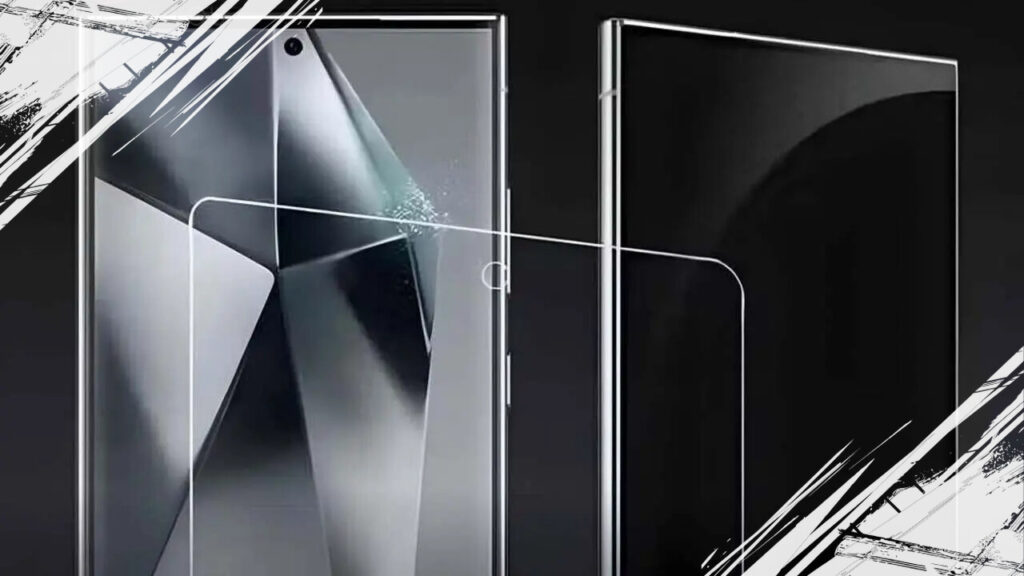
Samsung is reportedly developing a hardware-based screen privacy feature for its upcoming Galaxy S26 series, particularly the flagship Galaxy S26 Ultra. This new feature, named "Privacy Display," has been discovered in the early firmware of One UI 8.5, Samsung’s latest interface that will run on the next-generation Android OS.
The Privacy Display is designed to enhance visual security by limiting the viewing angles of the screen. The content will remain clear only when viewed from directly in front, significantly reducing the risk of screen peeking in public places such as public transport, cafes, or waiting rooms.
How Privacy Display Works
According to the firmware codes of One UI 8.5, the Privacy Display works by blurring or reducing screen visibility from the sides. Users viewing the screen head-on will experience no interference. Unlike physical privacy filters that need to be applied manually, this feature is integrated into the device’s system software.
Reports suggest that the feature will not be permanently active. Users can likely enable it manually via the Settings menu or add it as a shortcut in the Quick Panel for easier access.
Automation Through Modes and Routines
An interesting aspect of Privacy Display is its probable automation capability through Samsung’s existing "Modes and Routines" system. This would allow the feature to activate automatically under specific circumstances, such as leaving home, switching from Wi-Fi to mobile data, or entering public spaces.
Such contextual activation offers an improved user experience by protecting privacy without requiring constant manual intervention.
Advanced OLED Panel Technology
Privacy Display is expected to rely on advanced screen technology rather than front-facing cameras or facial recognition sensors. This aligns with the Flex Magic Pixel OLED technology Samsung Display showcased in 2025.
This cutting-edge technology enables dynamic control of pixel light emission angles. Consequently, the viewing angle can be narrowed or expanded as needed. If deployed, the Galaxy S26 series might be Samsung’s first consumer smartphones commercially to incorporate this technology.
However, Samsung has not officially confirmed whether Flex Magic Pixel OLED will be implemented on the Galaxy S26 lineup.
Comparison with Other Privacy Solutions
Screen privacy protections are not novel in the smartphone industry. Some manufacturers employ eye-tracking and face recognition sensors to detect when others view the screen. Huawei’s Pura 80 Ultra, for example, uses these sensors to alert users in real-time if someone else is spying on the display.
Samsung’s solution appears to focus more on hardware-level engineering via screen panel technology. This approach may be more energy-efficient and avoids continuous AI-based visual processing, which some camera-based methods require.
Expected Release Timeline
The Galaxy S26 series is widely expected to debut in February 2026, following Samsung’s usual annual release cycle. The rumored Privacy Display will likely remain exclusive to select models, such as the Galaxy S26 Ultra.
If confirmed, this feature could be a key differentiator for the S26 lineup, particularly appealing to users prioritizing security and privacy in public settings.
Samsung has yet to provide an official statement about Privacy Display, so further details will likely emerge closer to the product launch.
Summary of Key Features:
- Hardware-based screen privacy filtering integrated into One UI 8.5 firmware.
- Limits screen visibility from side angles to prevent peeking.
- Manual activation via Settings or Quick Panel shortcut.
- Automatable through Modes and Routines for contextual use.
- Employs Flex Magic Pixel OLED technology to control pixel light emission angles dynamically.
- More power-efficient compared to camera-based privacy features.
- Expected debut with Galaxy S26 Ultra in early 2026.
The inclusion of Privacy Display in the Galaxy S26 Ultra highlights Samsung’s ongoing commitment to enhancing user privacy on a hardware level. This feature addresses an everyday concern for many smartphone users who frequently use their devices in crowded or public environments. As Samsung finalizes One UI 8.5 and the Galaxy S26 series, Privacy Display could represent a step forward in smartphone display technology and digital privacy protection.