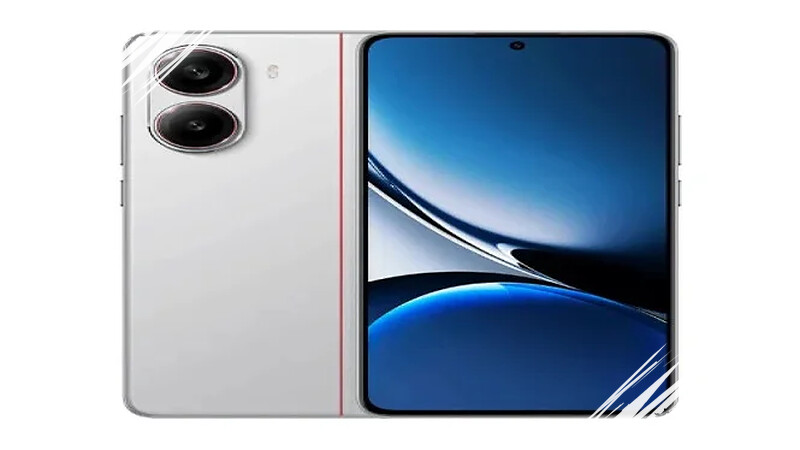
Redmi Turbo 5 Pro has made a significant step toward its official launch after passing the important 3C certification in China. This milestone is often a strong indicator that the device is ready for market debut in the near future. Alongside the 3C clearance, the phone has also secured radio certification, reinforcing the certainty of its imminent arrival.
The 3C certification database lists the Redmi Turbo 5 Pro under model number 2602BRT18C. Key details from the certification reveal support for 100W fast charging technology. While 3C documents focus mainly on power and charging specs, they do not disclose other technical aspects such as camera capabilities or chipset performance. This leaves room for anticipation regarding the complete hardware features.
Interestingly, the standard Redmi Turbo 5 has also been certified earlier with the same 100W charging capability. Xiaomi appears to be standardizing fast charging speeds across both variants of the Turbo 5 lineup. This decision ensures consumers can enjoy rapid battery charging without compromising on model choice.


Expected Launch Timeline
Industry sources suggest Xiaomi will unveil the Redmi Turbo 5 and Turbo 5 Pro before the Chinese Spring Festival, likely before mid-February 2026. This timing strategically coincides with one of the biggest shopping festivals in the domestic market, maximizing consumer attention and sales potential.
Key Specifications and Design
Both Turbo 5 models are expected to share several prominent features. These include a flat LTPS display with 1.5K resolution, providing sharp visuals along with efficient power consumption. The inclusion of an in-display ultrasonic fingerprint sensor points to a premium user experience typical of mid-range to flagship devices.
Additionally, a metal frame construction is anticipated, adding durability and a refined feel. The phones might also be equipped with IP68 or possibly IP69 certification for dust and water resistance. This would offer enhanced protection in demanding environments.
Audio and Software Features
Audio quality will likely benefit from the presence of symmetrical dual speakers, delivering balanced sound output for media consumption and gaming. On the software front, both devices are rumored to operate on HyperOS 3, which is based on Android 16. This combination aims to deliver smoother performance, improved security features, and AI-powered enhancements for long-term user satisfaction.
Battery and Charging
A standout feature of the Redmi Turbo 5 series is its large battery capacity, reportedly around 9,000 mAh. Such a size is notable among current smartphones. Coupled with 100W fast charging, this setup promises to minimize downtime even with the substantial battery, fulfilling the needs of users seeking endurance without the wait.
Processor and Performance Differences
The Redmi Turbo 5 standard model is expected to utilize the MediaTek Dimensity 8500 chipset. This processor offers strong performance balanced with energy efficiency. Other key specs will largely mirror the Pro variant.
In contrast, the Turbo 5 Pro variant is set to feature a higher-end MediaTek Dimensity 9000-series processor. This chipset is known for high performance, making the Pro model attractive to users wanting robust computing power. Design-wise, the Pro version may incorporate rounded corners on its LTPS 1.5K screen while retaining the flat profile, creating a modern and sturdy appearance.
Market Potential and Anticipation
With multiple certifications and leaks confirming critical features, Redmi Turbo 5 Pro is gaining attention as a compelling new contender in its segment. If these details hold true at launch, the phone is poised to appeal strongly to consumers prioritizing battery life, fast charging, and solid performance. The market now awaits Xiaomi’s official announcement regarding release dates and pricing, which will be crucial for final consumer interest.
In summary, Redmi Turbo 5 Pro’s recent 3C certification marks a clear signal that its market launch is approaching rapidly. Supported by impressive charging technology, large battery capacity, and powerful processors across its lineup, this device is shaping up to meet the demands of modern smartphone users.