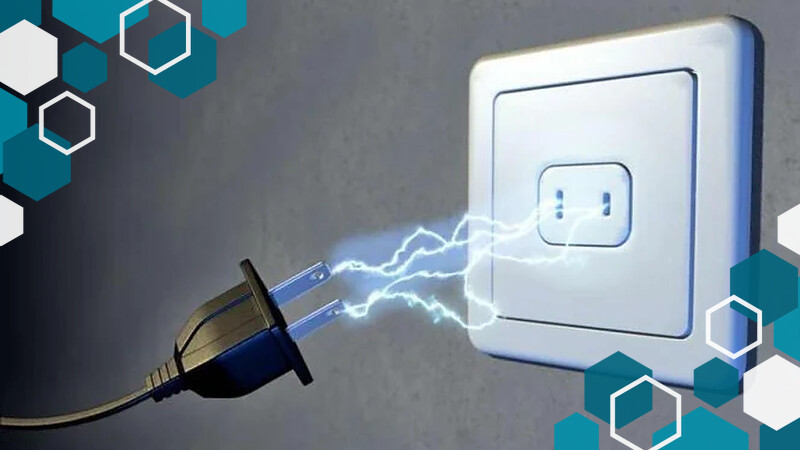
Finland has achieved a major breakthrough by successfully transferring wireless electricity through the air, much like how Wi-Fi transmits data. This innovation eliminates the need for any cables, plugs, or physical contact between the power source and receiving devices. The technology promises to revolutionize the way we power everyday electronic devices.
The wireless power transfer operates by using highly controlled electromagnetic fields or radio frequencies. Energy is sent as waves from a transmitter, while specially equipped receivers capture and convert this energy into usable electricity within a defined range. This method is similar to conventional wireless charging but offers the critical advantage of longer transmission distances.
How Wireless Electricity Works


Unlike traditional wireless charging pads that require close contact with devices, the Finland-developed system can send power over significantly larger spaces. The transmitter emits radio frequency energy, which can be harvested by low-power gadgets as long as they remain within the transmission area. This advancement allows powering devices without the usual constraint of physical proximity.
Currently, testing focuses on low-power electronics such as smart sensors, Internet of Things (IoT) devices, and mobile phones. Continuous wireless power supply to these devices could eliminate the need for large batteries or frequent battery replacements. According to industry experts, this shift not only enhances convenience but also tackles the growing problem of electronic waste globally.
Potential Applications and Benefits
The wireless energy transfer technology holds substantial promise in various scenarios:
- Remote or hard-to-reach locations without existing electrical infrastructure.
- Implantable medical devices requiring safe, long-term power without surgical battery changes.
- Smart home ecosystems where sensors and devices operate continuously without direct power outlets.
By enabling seamless power delivery, this method enhances practicality and efficiency for both consumers and industries.
Challenges and Current Limitations
Despite the successful demonstration, several hurdles remain before mass adoption is feasible. Key challenges include:
- Energy Efficiency: Power transfer efficiency diminishes as the distance between transmitter and receiver grows, leading to energy waste.
- Transmission Range: Expanding coverage to power entire rooms or offices requires further technological refinement.
- Safety Concerns: Regulatory bodies must ensure that radio frequency emissions and electromagnetic fields pose no health risks to humans, animals, or other electronics in daily environments.
Researchers are actively working to improve energy conversion rates and extend operational distances. They also prioritize developing rigorous safety standards alongside the technical enhancements.
Future Outlook
Experts believe wireless electricity could become a foundational component of future energy infrastructures. The Finnish demonstration validates the viability of such systems and motivates further research and investment. If advancements in efficiency and regulation keep pace, future devices—ranging from tiny IoT sensors to possibly light electric vehicles—might operate independently of cables and batteries.
This progress heralds a new era of integrated, sustainable energy networks where power delivery is unobtrusive and ubiquitous. It also opens avenues for innovation across multiple sectors, fostering smarter cities and greener technologies.
As wireless electricity technology evolves, it could redefine our relationship with power consumption, making it as effortless and pervasive as wireless internet today.