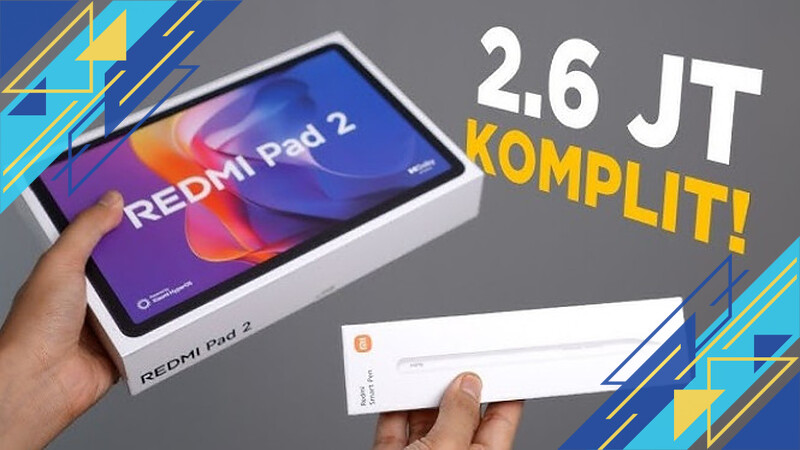
Redmi Pad 2 emerges as an affordable tablet option equipped with stylus support and powered by the MediaTek Helio G100 Ultra chipset. Designed for users seeking multimedia consumption and light productivity, this device offers notable features at a competitive price point, roughly around $140 USD. Xiaomi targets budget-conscious consumers looking for quality without breaking the bank.
Design and Build Quality
The Redmi Pad 2 features a clean, minimalist metal body that feels premium despite its affordable price. Weighing about 510 grams, it remains comfortable for extended use. Unlike its predecessor with a boxy rear camera module, this model adopts a modern oval-shaped camera housing. The tablet’s layout includes a power button and dual speaker grills on top, volume buttons and a microSD card slot on the right, and USB-C and 3.5mm audio jack at the bottom. The microSD slot supports storage expansion up to 2TB, offering generous space for files and media.
Display and Multimedia Experience
Its 11-inch IPS panel delivers 2.5K resolution (2560 x 1600 pixels) with a 90Hz refresh rate. This combination ensures sharp visuals and smooth scrolling, ideal for video streaming and general use. Although the maximum brightness reaches 600 nits, which is sufficient for indoor usage, it may struggle in outdoor bright environments. The bezels are slim and symmetrical, providing a modern look without the ultra-thin borders seen on premium tablets. Quad speakers tuned with Dolby Atmos enhance audio immersion, producing clear stereo separation and punchy bass, though the clarity for vocals is slightly compromised. These speakers make gaming, watching Netflix in Full HD, and multimedia playback enjoyable.


Performance Powered by Helio G100 Ultra
Under the hood, the tablet is powered by the MediaTek Helio G100 Ultra chipset, an upgrade from the previous Helio G99. Coupled with 4GB of LPDDR4X RAM and 128GB of UFS 2.2 storage, the device handles multitasking and daily applications fluently. Stability tests like 3D Mark show the tablet scoring steadily around 1,200 points with minimal thermal throttling, indicative of its ability to maintain performance without overheating, which is notable for its category.
Software and Ecosystem Integration
The device ships with Xiaomi’s HyperOS 2 based on Android 15, featuring the latest security updates as of April 2026. It supports interconnectivity within Xiaomi’s ecosystem via Xiaomi Smart Hub, allowing seamless integration with smartwatches and smartphones for notifications and calls. For security, Redmi Pad 2 offers 2D face unlock but recommends traditional pattern or password methods for stronger data protection. The cameras include an 8MP rear sensor and a 5MP front camera, sufficient for document capture and basic video conferencing.
Key Specifications at a Glance
- Display: 11-inch IPS, 2.5K resolution, 90Hz refresh rate
- Processor: MediaTek Helio G100 Ultra
- Memory: 4GB RAM, 128GB storage (expandable up to 2TB via microSD)
- Audio: Quad speakers with Dolby Atmos
- Battery: 9000 mAh capacity
- Operating System: HyperOS 2 (Android 15)
- Connectivity: USB-C, 3.5mm headphone jack, stylus support (Redmi Smartpen compatibility)
- Camera: 8MP rear, 5MP front
- Weight: 510 grams
The addition of stylus support makes Redmi Pad 2 appealing for users who want to take notes, draw, or engage in creative activities. The integration with Redmi Smartpen opens more possibilities for productivity beyond conventional tablet usage.
By balancing performance, display quality, sound, and expandability, Redmi Pad 2 stakes its claim as a leading budget tablet in the Indonesian market and similar regions. Its price around $140 ensures accessibility for students, casual users, and those needing an affordable device for media and light productivity tasks.