


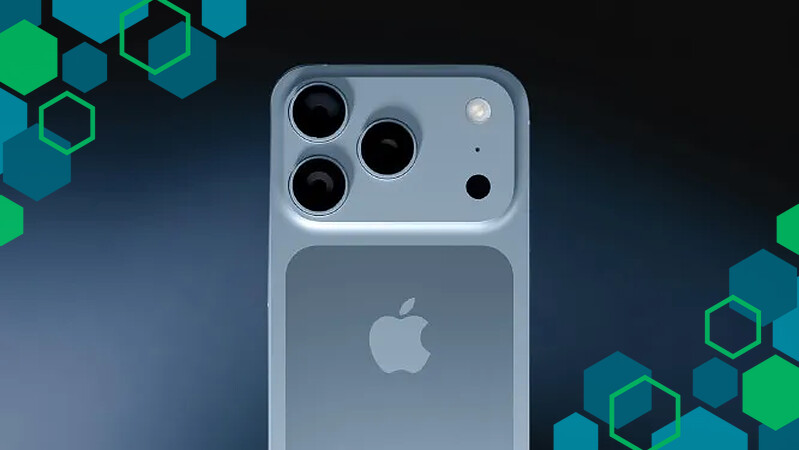
Apple is reportedly set to change its long-standing iPhone launch strategy starting in 2026. For the first time in over a decade, the company will not release a standard iPhone model alongside the Pro versions in the usual September launch window. Instead, the iPhone 18 standard version is expected to debut only in spring 2027, extending the sales period of the iPhone 17 model beyond 18 months.
Historically, Apple has unveiled all iPhone variants simultaneously every fall, notably in September. This synchronized launch included regular, Pro, and Pro Max models. According to MacRumors, despite strong sales of the iPhone 17 throughout 2025, Apple plans to prioritize premium devices during the 2026 fall launch. This shift aims to redefine how Apple rolls out its increasingly diversified smartphone lineup.
New Launch Cadence and Product Segmentation
The upcoming launch cycle will split iPhone releases into two separate timelines. Apple intends to launch the high-end iPhone 18 Pro and Pro Max models, along with its first-ever foldable iPhone, during the autumn of 2026. Meanwhile, the standard iPhone 18 and other variants like the anticipated iPhone 18e and the next-generation iPhone Air 2 will arrive in spring 2027. This staggered launch approach is unprecedented in Apple’s history but is devised to align with the company’s broader product strategy changes.
Apple’s portfolio expansion is a significant driver behind this new approach. After expanding the range with models like the iPhone 16e and iPhone Air in 2025 and preparing a foldable iPhone in 2026, Apple will have multiple models coexisting in the market. By late 2026, estimates suggest Apple may offer eight distinct iPhone models simultaneously. This number far exceeds the typical four to five variants seen in prior years.
Benefits of a Staggered Launch Strategy
Implementing a phased product launch enables Apple to differentiate its various models more clearly. It prevents internal competition among models and extends the lifecycle for each device without cannibalization. Furthermore, spreading launches across different quarters helps sustain sales momentum beyond the usual year-end surge.
The shift also addresses manufacturing and logistical challenges. Producing high-end iPhones, particularly the Pro series with advanced technologies, demands complex and high-volume component sourcing. By dividing production schedules, Apple can ease supply chain pressures, reduce risks of delays, and improve overall operational flexibility.
Financially, this revamped strategy could stabilize Apple’s revenue streams throughout the year. Rather than concentrating sales and earnings in the final quarter, income can be distributed more evenly across several quarters. Analysts suggest this revenue smoothing could enhance investor confidence and contribute to healthier long-term market performance.
Implications for Consumers and the Market
For consumers, the delayed release of the standard iPhone 18 means prolonged availability of the iPhone 17 as the latest base model. Potential buyers may view this as a chance to purchase a well-established device with sustained support. Meanwhile, early adopters interested in cutting-edge features will gravitate towards the Pro and foldable models introduced first.
Apple’s entry into foldable smartphones marks a notable shift. The company’s ability to integrate new form factors while managing multiple release cycles signifies an evolution in its product strategy. This change reflects a broader industry trend toward diversification and specialization within smartphone lineups.
Looking Ahead
Apple has not officially confirmed these plans, maintaining silence until formal announcements. However, based on current information and industry analysis, the 2026/2027 iPhone launch cycle appears poised to introduce a new era for Apple’s flagship product. The departure from annual synchronized releases to a staggered schedule is a strategic response to market demands, supply chain realities, and product diversification.
Should this approach succeed, Apple might set a precedent for how future smartphones are launched globally. This realignment could influence competitor strategies and reshape consumer expectations for flagship device availability and innovation timing.