


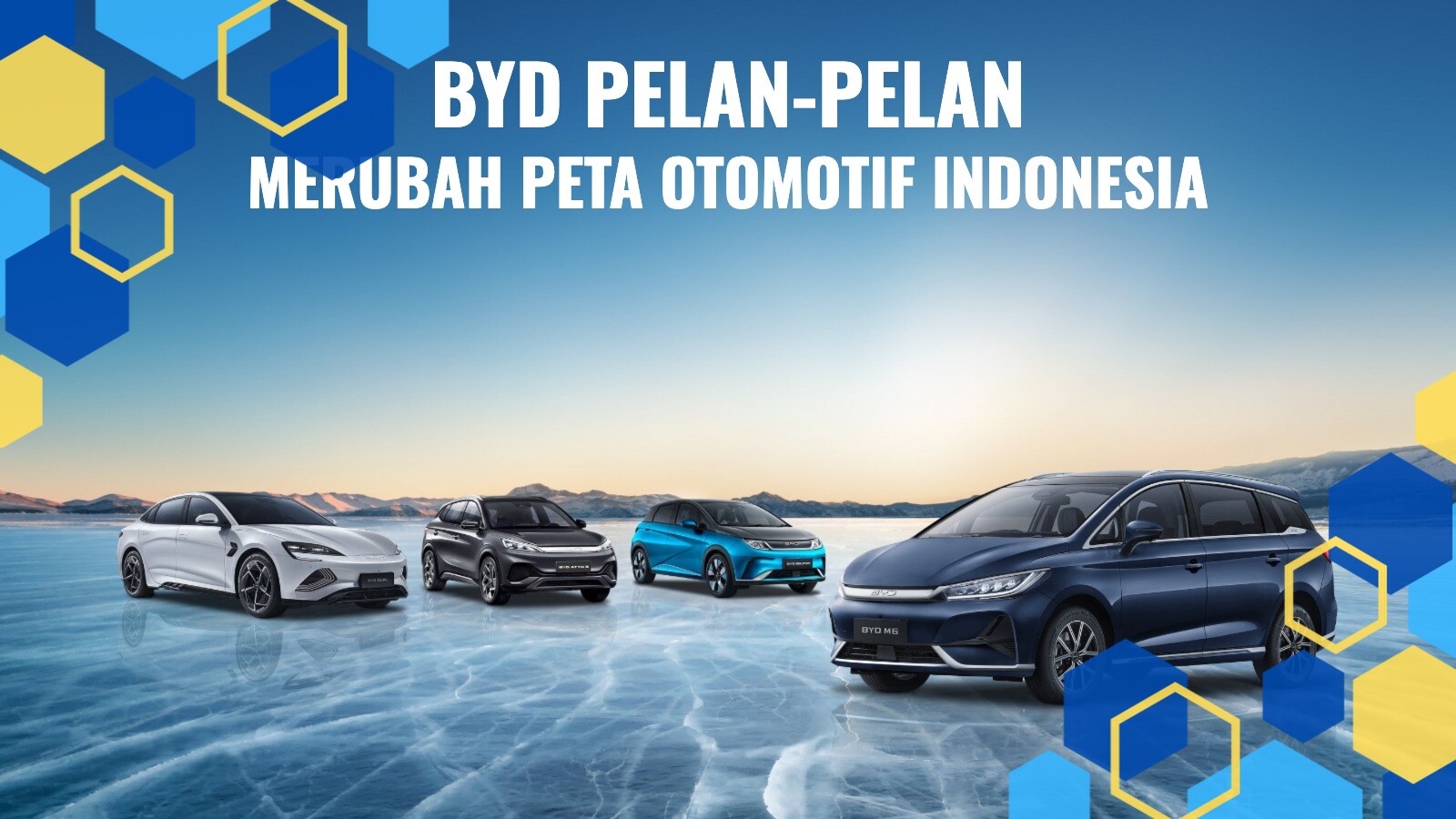
Indonesia’s electric vehicle (EV) market is undergoing a dramatic transformation, reshaped largely by the rise of BYD. This Chinese automaker has shifted the competitive landscape in Indonesia’s EV segment, challenging established players and setting new industry standards.
Recent data from the Indonesian Automotive Industry Association (Gaikindo) highlights a rapid surge in battery electric vehicle sales over the past two years. BYD, in particular, has recorded the most significant increase, capturing more than half of the national electric car market share at certain points. This dominance marks a departure from the previously scattered market, where no single brand held a commanding lead.
Innovative Technology and Competitive Pricing
BYD’s success stems from more than just market timing. The company differentiates itself through advanced technology and pricing strategies aligned with Indonesian consumers’ expectations. Crucially, BYD engineers and manufactures its own battery technology — notably the Blade Battery — which boasts better safety and efficiency compared to traditional lithium-ion options. This innovation addresses persistent concerns around battery durability and safety, fostering consumer confidence.
Furthermore, BYD offers a strong value proposition by equipping vehicles with comprehensive features and cutting-edge technology at prices accessible to the middle market. This approach counters a major adoption barrier identified by Indonesia’s Ministry of Industry: the disconnect between vehicle costs and perceived consumer benefits.
Product Range Expansion and Market Impact
Unlike competitors who often focus on one or two models, BYD has launched a diverse portfolio that spans electric SUVs, sedans, and multi-purpose vehicles. This broad range gives customers more choices and caters to a wider array of needs and preferences. The availability of multiple segments in a relatively short period has pressured other players to reconsider their market approach, shifting from limited offerings to a more aggressive product rollout.
This strategy is crucial in a market that was once fragmented but is now consolidating around brands capable of rapid expansion and adaptation to consumer demands.
Government Support and Strategic Distribution
The Indonesian government has played a vital role in accelerating EV adoption through fiscal incentives, such as tax breaks and subsidies. BYD has maximized these benefits by aligning with regulations and committing to increase local content in its vehicles, making its products even more price-competitive.
Alongside policy support, BYD’s aggressive expansion of its dealership and aftersales networks ensures broad geographic coverage beyond major urban centers. This accessibility reduces customer concerns about vehicle maintenance and service availability, reinforcing BYD’s growing market presence.
Shifting Consumer Mindsets and Ecosystem Growth
Consumer behavior is evolving rapidly, influenced by rising fuel prices and increased environmental awareness. Surveys from national transportation research bodies reveal that many Indonesian consumers now view EVs as practical long-term mobility solutions rather than luxury items. BYD’s functional and value-driven product approach has contributed significantly to this perception shift, driving wider acceptance.
The growing prevalence of BYD vehicles also fuels the expansion of the EV ecosystem. Data from the Ministry of Transportation show that the surge in electric cars is accompanied by increasing numbers of public charging stations nationwide. This infrastructure growth benefits the entire sector and reinforces BYD’s leadership by supporting its expanding fleet.
A New Era in Indonesia’s Automotive Industry
BYD’s rapid ascendance fundamentally alters the dynamics of Indonesia’s automotive market. Brand loyalty and historical dominance no longer guarantee success in the fast-paced EV sector. Instead, a combination of competitive pricing, technological innovation, and product readiness has become key.
Experts predict that this phase will determine which players thrive and which fall behind as Indonesia accelerates toward electrification. BYD is not merely increasing sales figures; it is redefining how the market operates and challenging competitors to rethink their strategies.
The result is a more dynamic and competitive automotive landscape. The stable market map of the past has given way to one in flux, setting the stage for ongoing evolution and the emergence of new leaders in Indonesia’s electric vehicle industry.