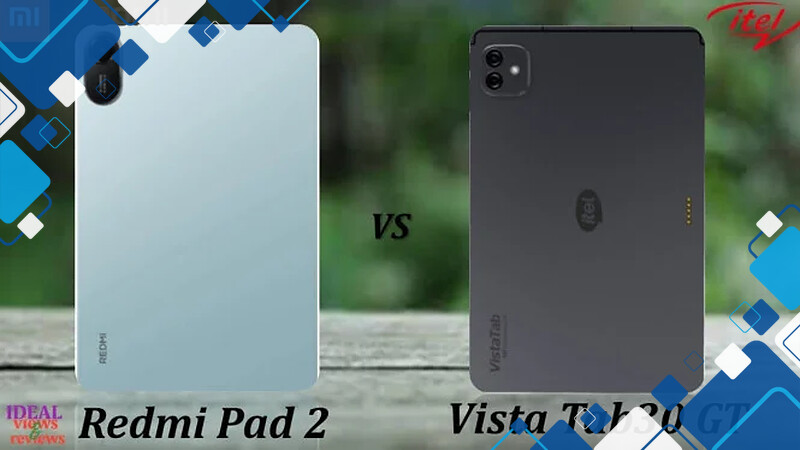
Entry-level tablets remain a hot battleground as 2026 unfolds, with consumers facing tough choices between the Itel Vista Tab 30 GT and the Redmi Pad 2. Positioned as strong contenders in the budget tablet segment priced around $130, both devices offer distinct advantages tailored to different user needs. This article digs into their core features, performance, and value propositions to help buyers decide which is the best affordable tablet in 2026.
The Itel Vista Tab 30 GT targets users who want an all-in-one package. It retails at approximately $140 and includes a keyboard, stylus, and TWS earphones right in the box. The keyboard even comes with a high-quality case, offering immediate productivity tools without extra purchases. On the other hand, the Redmi Pad 2 comes at a lower price, close to $125, but only provides the tablet itself. Accessories like a keyboard or stylus must be bought separately, potentially increasing the overall cost for productivity use.
Display and Visual Experience
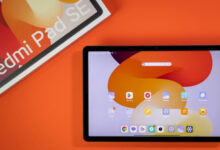

Screen quality is paramount in delivering an enjoyable user experience, especially for media consumption. The Redmi Pad 2 leads this category with its 2.5K IPS display, which boasts excellent color accuracy and wide viewing angles. Importantly, it supports Widevine L1 certification, enabling users to stream content from platforms like Netflix in full HD. This makes it an ideal choice for video enthusiasts seeking crisp visuals.
Conversely, the Itel Vista Tab 30 GT sports a slightly lower 2K resolution display but compensates with much higher brightness levels. This feature benefits users who often use the tablet outdoors or in bright environments. However, the lack of Widevine L1 support limits streaming to standard definition on services like Netflix, placing restrictions on video quality during playback.
Performance: Balancing RAM and Battery Life
When it comes to processing power, the two tablets follow contrasting strategies. The Itel Vista Tab 30 GT is equipped with 6GB of RAM, supporting smooth multitasking and overall responsiveness. Its virtual RAM option can extend performance to 16GB, ensuring applications open and switch swiftly. This makes it suitable for productivity tasks and multitasking environments.
Meanwhile, the Redmi Pad 2 offers 4GB of RAM, which may struggle with heavy multitasking or multiple open apps. Users might experience occasional lag in such scenarios. However, it excels in battery capacity, featuring a robust 9000mAh battery that promises extended usage time — a critical factor for media consumption and on-the-go use.
Educational and Productivity Features
For families and educational purposes, Itel Vista Tab 30 GT provides added value through its Kids Space application. This includes first learning modules, brain training exercises, and a range of educational mini-games. The system also requires a PIN to exit children’s mode, offering parents control over usage. In contrast, Redmi’s B Kids feature offers more basic activities, mainly focused on coloring and light engagement, making Itel the superior choice for child-centric use.
On the productivity front for adult users, Redmi Pad 2’s interface supports a mature split-screen mode and floating windows for multitasking beyond simple app switching. Users can keep multiple apps active and interact fluidly without closing background applications. The Itel Vista Tab 30 GT’s split-screen functionality is more limited, typically requiring app reopening when switching tasks, which can disrupt user workflow.
Choosing Based on Priority
Each tablet caters to different user profiles. The Itel Vista Tab 30 GT best suits those seeking a ready-to-use productivity tablet with an emphasis on multitasking and educational tools. Its complete accessory kit justifies its slightly higher price and appeals to users who want immediate functionality without additional purchases.
Meanwhile, the Redmi Pad 2 shines for users prioritizing entertainment and battery endurance. Its superior display and streaming capability make it a strong tablet for binge-watching shows or enjoying high-quality video content over extended periods.
Ultimately, the decision hinges on whether priority lies in productivity and responsiveness or in immersive visual experience and battery life. Both tablets bring competitive offerings to the $125-$140 segment, making 2026 an exciting year for affordable tablet shoppers.