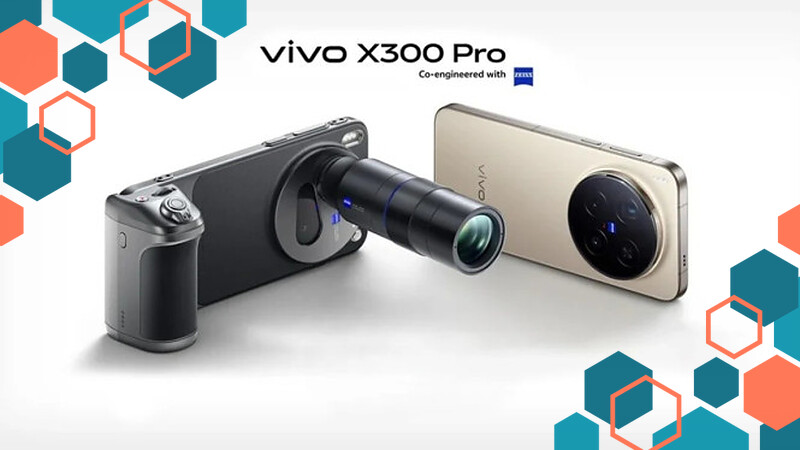
DxOMark has published its comprehensive review of the Vivo X300 Pro’s camera system, propelling the flagship device into the elite category of global camera smartphones. According to the latest rankings, Vivo’s new model secured the second position on DxOMark’s overall leaderboard, just behind the Huawei Pura 80 Ultra. This achievement surpasses major rivals such as the Oppo Find X8 Ultra and the Apple iPhone 17 Pro, marking the highest DxOMark score Vivo has ever received.
This impressive leap also highlights a significant improvement over Vivo’s previous generation, the X200 Ultra, which was limited to a spot within the top five. The Vivo X300 Pro’s major advancement lies in its optimized video capabilities, setting a new benchmark for the brand.
Photo and Video Performance Breakdown
In still photography, the Vivo X300 Pro achieves a solid score of 171 points. While this is marginally lower than the X200 Ultra’s photo score, the slight dip does not detract from the camera’s overall quality or user experience. Conversely, video performance stands out as the primary asset of this device.
DxOMark awarded the Vivo X300 Pro a remarkable 169 points for video, ranking it second worldwide in the video category. Notably, this is the highest video score ever recorded for an Android smartphone on DxOMark. Only the Apple iPhone 17 Pro scores higher in video, positioning the Vivo X300 Pro as one of the very best non-Apple choices for professional-grade mobile video recording.
Key Camera Strengths: Zoom, Bokeh, and Low-Light Photography
The Vivo X300 Pro excels across multiple photographic scenarios. Telephoto and zoom functionalities demonstrate consistent and reliable performance, maintaining clarity and sharpness at extended focal lengths. The device’s portrait mode produces natural bokeh effects with clean subject separation, enhancing the overall aesthetic quality.
In low-light conditions, the camera preserves image detail impressively, benefiting from wide dynamic range and stable exposure settings. DxOMark noted accurate white balance and consistent color reproduction, particularly for skin tones. Video stabilization is a standout feature, especially when shooting footage on the move, greatly reducing shakiness and improving viewing quality.
Areas for Improvement Highlighted by DxOMark
Despite its strengths, the Vivo X300 Pro’s camera system is not without flaws. DxOMark reports some inconsistencies in contrast when dealing with certain HDR scenes, which occasionally affects image depth. The ultra-wide-angle camera has a narrower field of view compared to some competitors, limiting capture breadth.
Other minor issues include occasional ghosting and color fringing artifacts. In very low-light environments, the image processing can sometimes lean towards oversaturation or unnatural brightness in darker skin tones. Although these imperfections exist, their impact is minimal relative to the device’s overall high performance.
Vivo’s Rising Status in Premium Smartphone Photography
The Vivo X300 Pro’s blend of strong photo and video capabilities clearly demonstrates Vivo’s growing prowess in mobile imaging technology. Video performance, in particular, has emerged as a focal point, putting the brand on a trajectory close to smartphone photography leaders worldwide.
With its second-place finish on DxOMark and record-breaking Android video score, the Vivo X300 Pro is a worthy contender in the field of premium camera smartphones. Its combination of versatile photographic features and exceptional video quality makes it strongly appealing to content creators and photography enthusiasts seeking advanced imaging solutions.
This milestone cements Vivo’s position as an increasingly influential player in the global race for the best smartphone cameras and signals continued innovation in their upcoming releases.
-

-
-

-