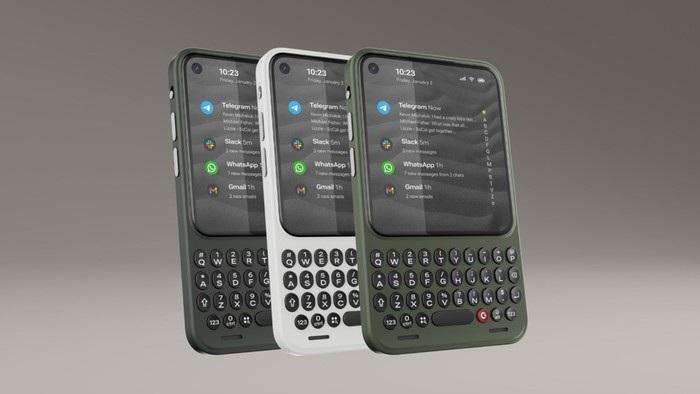
Clicks Technology, known for producing physical QWERTY keyboards for iPhones and Android devices, has launched its first smartphone called the Clicks Communicator. The device was announced ahead of CES 2026, scheduled for next week. The phone’s design is reminiscent of classic BlackBerry models, combining nostalgia with modern capabilities.
The standout feature of the Clicks Communicator is its physical QWERTY keyboard, engineered to facilitate faster typing. The keyboard also supports touch sensitivity, allowing users to scroll conveniently without using the touchscreen. The phone includes a 4.03-inch OLED touchscreen display for viewing messages and other content clearly.
Running on Android 16, the Communicator offers a familiar and flexible operating system with plans for security updates extending up to five years. This ensures users receive ongoing support and protection from vulnerabilities. The phone targets users who require efficient communication away from social media distractions and games, acting as a practical secondary device.

Clicks collaborated with Niagara Launcher to optimize access to messaging and productivity apps such as Gmail, Telegram, WhatsApp, and Slack. This integration supports professionals and frequent mobile communicators in maintaining productivity on the go.
Features and Innovation
The Communicator introduces a unique Prompt Key located on the device’s right side. This button enables instant voice dictation or audio message recording, enhancing communication speed. Though the feature is not yet fully integrated, Clicks plans to link it to AI-powered applications for note-taking, voice recording, and virtual assistant tasks.
Surrounding the Prompt Key is the Signal Light, which illuminates to alert users of notifications. The light’s color and flashing pattern can be customized to signify messages from specific contacts, groups, or applications, providing personalized notification cues.
On the photography side, the Communicator uses a 50 MP rear camera equipped with optical image stabilization (OIS) for sharper images. The front camera is 24 MP, suitable for high-quality selfies and video calls. These cameras highlight the phone’s capability to handle modern multimedia demands despite its retro aesthetic.
Memory, Battery, and Connectivity
The phone offers 256GB of built-in storage and supports microSD cards up to 2TB, enabling extensive file and media storage. A 4,000 mAh silicon-carbon battery ensures solid daily endurance and supports wireless charging, aligning the device with current power convenience trends.
Connectivity options include 5G and 4G LTE cellular networks, Wi-Fi 6, Bluetooth 5.4, NFC, and USB-C, ensuring compatibility with the latest standards. A 3.5mm headphone jack has been retained, adding a nostalgic touch for users preferring wired audio devices.
Design and Pricing
Available in Smoke, Clover, and Onyx colors, the Communicator features a removable rear panel. This allows users to customize their phone with swappable covers, which Clicks plans to sell separately to encourage personalization.
The standard retail price is set at $499. Early bird customers placing a deposit of $199 before February 27 can pre-order the device at a discounted price of $399. Exact shipping dates have yet to be announced by Clicks.
Target Market and Use Cases
The Clicks Communicator aims at professionals and enthusiasts who prioritize physical keyboards for productivity. Its combination of a tactile interface with modern smartphone functions offers a unique solution, especially for those who frequently engage in typing-intensive tasks like emails and document editing.
Moreover, positioning it as a secondary phone to avoid distractions from social media and games aligns with productivity-focused user preferences. This device extends the heritage of BlackBerry-style phones by integrating contemporary Android software and hardware enhancements.
The Clicks Communicator’s release reflects a thoughtful blend of retro design and modern technology. It caters to users seeking efficient communication tools without compromising on current mobile functionality. The device underlines the ongoing demand for physical keyboards in a touchscreen-dominated era, marking a niche yet meaningful innovation in the smartphone market.