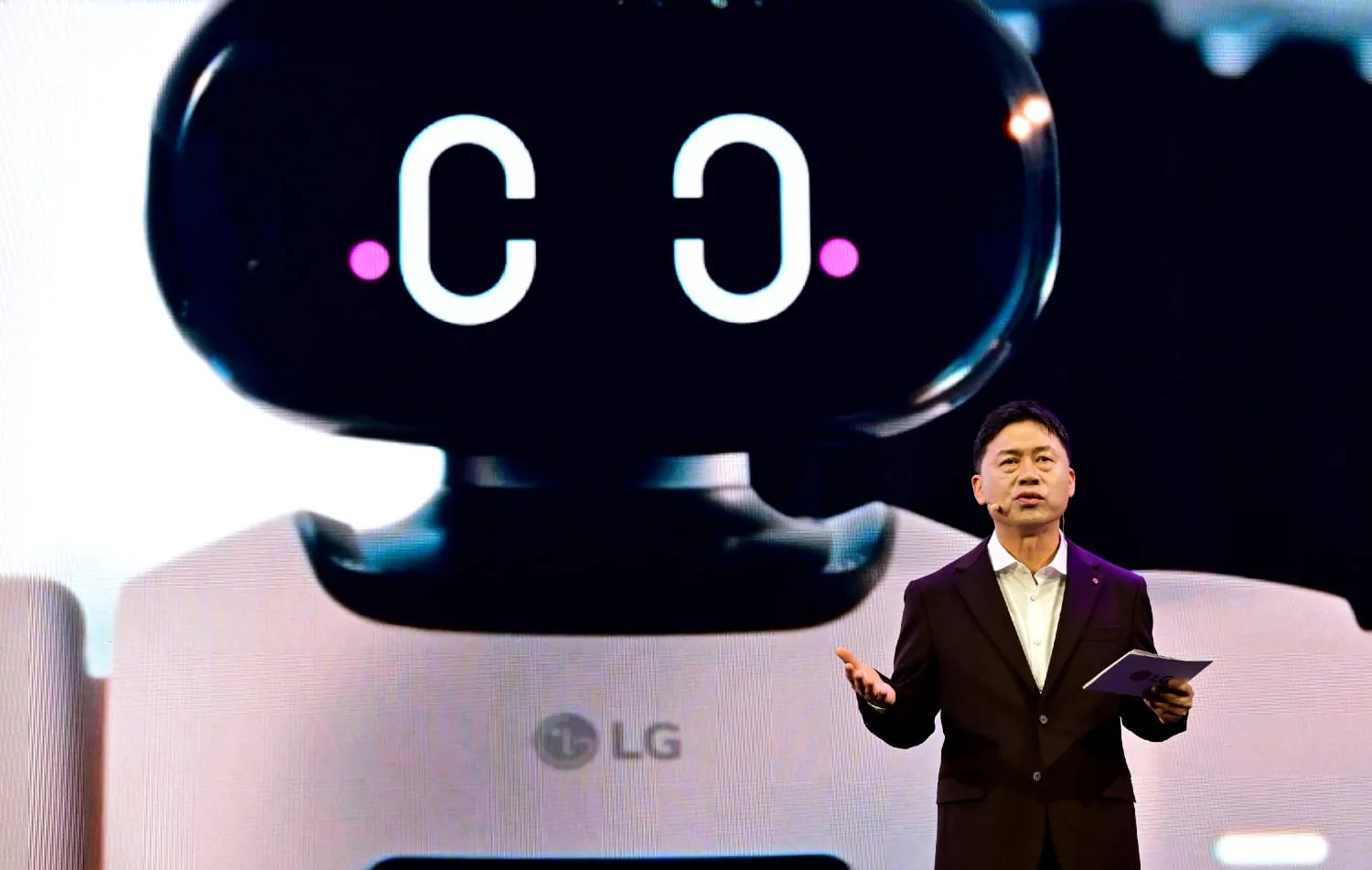
LG Electronics drew significant attention at CES 2026 by unveiling its new strategic approach called “AI in Action.” This approach shifts artificial intelligence from a purely reactive function to an active system that enhances daily life. The announcement took place during LG World Premiere in Las Vegas, emphasizing AI that brings real-world benefits to users rather than just conceptual smartness.
At the core of LG’s presentation was the theme Innovation in Tune with You, highlighting AI’s role in delivering a more intuitive and efficient user experience. CEO Lyu Jae-cheol described “AI in Action” as an evolution where AI orchestrates devices and environments seamlessly, transforming fragmented technology into a harmonious ecosystem. This shift aims to make technology less intrusive and more practical for everyday use.
Three Pillars of LG’s AI Strategy


LG’s approach rests on three main pillars that together build the framework for its AI-driven future:
- Affectionate Intelligence: AI designed to actively respond and adapt to user needs with contextual understanding.
- Core Technology Integration: Strengthening the foundation of AI technologies embedded in LG’s flagship products.
- Connected Ecosystem Building: Extending AI beyond the home into vehicles and commercial spaces to create a fully integrated smart environment.
Each pillar is intended to increase user convenience and enhance quality of life across various contexts — from personal living spaces to mobility and work environments.
Zero Labor Home Vision
One of the standout concepts introduced by LG is the “Zero Labor Home,” which envisions a future household where smart devices autonomously manage daily chores. This idea reflects LG’s commitment to reducing manual tasks through proactive AI systems. The goal is to free up users’ time for more meaningful activities by minimizing the effort needed to maintain their homes.
LG demonstrated this vision tangibly with LG CLOiD, a smart robot designed for the home environment. CLOiD can learn and adapt to different living spaces, safely interact with both humans and pets, and assist with various household tasks. Its capabilities are enhanced by continuous AI learning, which allows the robot to improve its support over time.
Showcasing Advanced AI-Enabled Products
CES 2026 also featured LG’s latest product innovations that embed AI deeply into consumer electronics. The LG OLED evo W6 Wallpaper TV exemplifies cutting-edge design with its ultra-thin profile and advanced visual technology. Meanwhile, LG SIGNATURE appliances integrate AI to offer smarter, more personalized functionalities.
Key examples include:
- Refrigerators equipped with conversational AI and food recognition systems.
- Ovens featuring Gourmet AI that suggest tailored recipes.
These products reflect how LG is transforming traditional appliances into intelligent assistants that simplify cooking and food management.
Expanding AI Into Mobility and Commercial Sectors
Beyond the household, LG demonstrated how its AI solutions extend to vehicles and commercial spaces. AI-enhanced vehicle systems aim to personalize the driving experience and maintain continuous connectivity. This enables drivers to benefit from smart navigation, safety features, and entertainment tailored to their preferences.
In commercial applications, LG introduced energy-efficient HVAC solutions designed specifically for AI data centers. These technologies underline LG’s commitment to sustainability and optimal performance in demanding environments. Collaborative efforts with global partners are helping to scale these innovations for broader impact.
A Future with Practical and Humane AI
LG’s “AI in Action” underscores its Life’s Good brand promise by positioning technology as an enabler of human well-being. The company envisions a future where AI silently supports everyday life without unnecessary complexity or intrusion. By putting AI to work actively behind the scenes, LG aims to make daily routines simpler, more enjoyable, and ultimately more meaningful.
With this approach, LG sets a new standard for intelligent devices and ecosystems that are not just smart, but genuinely helpful. This holistic vision promises to change how people interact with technology across home, vehicle, and public environments in the coming years.