


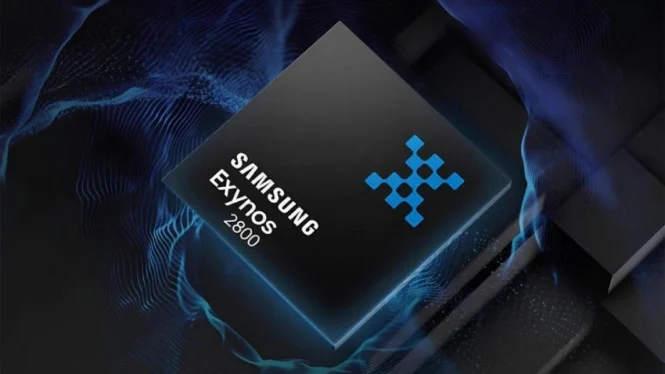
Samsung is preparing a major shift in its Exynos chipset development with the upcoming Exynos 2800. This new chip is expected to feature fully custom CPU and GPU designs, marking a significant departure from the company’s reliance on external partners like ARM and AMD.
According to a reliable tech informant on Weibo known as Smart Chip Guide, the Exynos 2800 could abandon standard ARM CPU cores and AMD’s RDNA-based GPUs, which have been part of Samsung’s premium Exynos chips since 2022. This signals a strategic attempt to bring core silicon designs completely in-house.
Background of Samsung’s Custom CPU Journey
Samsung previously ventured into custom CPU development with its Mongoose core series between 2016 and 2020. The Mongoose CPUs were designed by an internal team based in Austin, Texas. Despite delivering competitive peak performance, these cores struggled with power efficiency and thermal management. This often resulted in weaker real-life performance compared to Qualcomm’s Snapdragon chips. Due to these challenges, Samsung discontinued the Mongoose line and reverted to ARM’s ready-made CPU designs.
However, Samsung’s latest move suggests the company now believes the technology landscape has matured. Advances in semiconductor manufacturing, including the adoption of 2nm Gate-All-Around (GAA) process technology, might help resolve earlier inefficiencies related to power and heat.
Custom GPU Development and Ecosystem Integration
Alongside the CPU redesign, Samsung is reportedly developing a custom GPU to replace AMD’s RDNA-based graphics units. This would provide Samsung greater control over GPU performance and allow better optimization for artificial intelligence (AI) workloads and graphics rendering. Such integration could enhance the overall synergy within Samsung’s Galaxy ecosystem by tightly coupling hardware and software.
By controlling both CPU and GPU architecture, Samsung could emulate Apple’s success with fully integrated silicon. Apple’s vertical approach has enabled superior power efficiency, user experience consistency, and optimized processing for specific tasks. Samsung aims to leverage similar benefits with its Exynos 2800.
Roadmap and Industry Implications
Rumors indicate the Exynos 2800 chipset will debut in Samsung’s Galaxy S28 series, expected around 2028. This timeline gives Samsung several years to refine its new architectures thoroughly. In contrast, the imminent Exynos 2600—set to power the Galaxy S26 models—will likely remain the last Samsung chip to utilize AMD RDNA graphics, albeit with increasing in-house implementation.
This push toward end-to-end silicon design reflects a broader industry trend where smartphone makers seek unique hardware to differentiate their products. Samsung’s commitment to custom CPU and GPU development may strengthen its position in mobile SoC markets, but it faces high stakes given previous mixed results.
Key Points in Samsung’s Exynos Evolution:
- 2016-2020: Development and use of Mongoose custom CPU cores; discontinued due to efficiency issues.
- 2022: Adoption of AMD RDNA-based GPUs on Exynos chipsets.
- 2026 (expected): Launch of Exynos 2600 with AMD RDNA GPU; transition period for GPU designs.
- 2028 (projected): Debut of Exynos 2800 featuring fully custom CPU and GPU, fabricated with 2nm GAA technology.
Samsung’s ambitious roadmap highlights its intention to own cutting-edge CPU and GPU technologies fully. Custom chip designs could also enable better optimization for AI and graphics, aligning with future smartphone performance demands.
Whether Samsung can overcome past challenges in power management and efficiency with the Exynos 2800 remains to be seen. Still, the technological advancements and long lead time may prove advantageous.
This approach reflects Samsung’s aim to compete not only with traditional ARM-based chip makers but also to rival industry leaders emphasizing bespoke silicon solutions. As the smartphone market evolves, tight hardware-software integration will likely become crucial for high-end performance and energy efficiency.
Continued monitoring of Samsung’s progress on Exynos 2800 will reveal if the Korean giant can reclaim its footing as a silicon innovator alongside its broader leadership in consumer electronics.