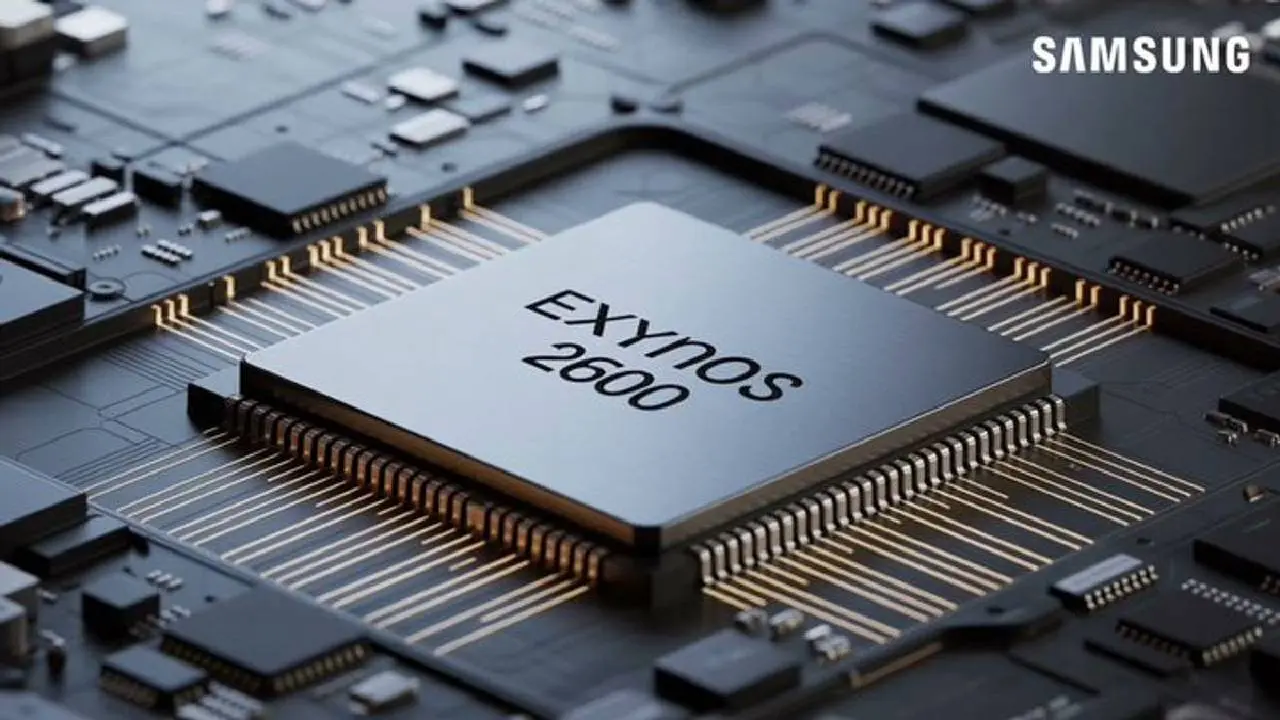
Samsung has made a significant breakthrough in the semiconductor industry by unveiling the Exynos 2600 chipset. This new processor is notable for integrating AMD’s RDNA 4 architecture in a smartphone for the first time. The inclusion of the Xclipse 960 GPU marks a major step forward in mobile graphics technology.
The Exynos 2600 reflects Samsung’s ambition to reclaim a top spot in the flagship chipset market. It combines advanced fabrication techniques with high-end graphics technology, aiming to deliver enhanced visual performance, better gaming experience, and improved power efficiency.
GPU Innovation with AMD RDNA 4 Architecture


The Exynos 2600 is the first mobile chipset to feature AMD’s RDNA 4 graphics architecture. Samsung and AMD have built upon their previous collaborations that began with RDNA 2 and RDNA 3. The Xclipse 960 GPU inside the Exynos 2600 is based on a specialized MGFX4 variant. This design focuses on maintaining high graphical output while optimizing energy use.
Samsung’s internal tests reveal that the Exynos 2600’s graphics processing capability doubles that of its predecessor. This improvement opens new possibilities for game developers and demanding apps to create visually richer experiences on smartphones.
Advanced 2 nm GAA Fabrication Process Boosts Efficiency
A key factor behind the Exynos 2600’s performance is its manufacturing process. Produced with the cutting-edge 2 nm Gate All Around (GAA) technology, this chipset represents a new milestone in semiconductor fabrication.
GAA technology enables more precise electrical current control compared to FinFET, resulting in lower power consumption without compromising speed. For flagship smartphones, balancing high performance with power efficiency is crucial, especially for intensive tasks such as gaming, video recording, and multitasking.
The 2 nm process also helps keep device temperatures stable and extends battery life, addressing common user concerns about overheating and power drain on powerful devices.
Enhanced Ray Tracing for Realistic Visuals
One of Exynos 2600’s standout features is its improved ray tracing capability. Samsung claims that ray tracing performance on this chipset is around 50% better than the previous generation.
Ray tracing simulates lighting, shadows, and reflections with much greater realism. While traditionally used in PC gaming and consoles, this technology is now becoming mature enough for mobile applications. Supported by RDNA 4, mobile games and augmented reality apps can achieve visuals that are more immersive and lifelike.
This advancement highlights Samsung’s commitment to pushing the boundaries of mobile graphics, particularly in markets focused on heavy gaming and augmented reality experiences.
AI-Powered Visual Enhancements with Exynos Neural Super Sampling
The Exynos 2600 also makes significant use of artificial intelligence to enhance graphics. Samsung introduces Exynos Neural Super Sampling (ENSS), an AI-based technology designed to boost visual quality and frame rates.
ENSS works similarly to PC-based DLSS by lowering internal resolution to save resources, then using AI algorithms to upscale images. This method maintains sharp and smooth visuals while improving power efficiency.
This reflects a broader trend where AI is increasingly utilized beyond cameras and voice assistants, extending into graphical processing and performance optimization.
Competitive Positioning Among Flagship Chipsets
While the Exynos 2600’s CPU and general computing performance are expected to closely rival the latest Snapdragon chipsets, Samsung’s offering has unique strengths. The combination of 2 nm fabrication and RDNA 4 GPU architecture makes it especially attractive for users prioritizing graphics and multimedia efficiency.
It is anticipated that the Exynos 2600 will power upcoming flagship devices such as the Samsung Galaxy S26 series, underscoring Samsung’s focus on delivering cutting-edge visual and power management technologies.
A New Era for Mobile Graphics
The introduction of the Exynos 2600 marks a pivotal moment in smartphone chipset evolution. Samsung is not only pushing raw performance numbers but is also delivering a more immersive and efficient visual experience.
By integrating AMD’s RDNA 4 architecture, enhancing ray tracing capabilities, and supporting AI-driven visual improvements, the Exynos 2600 is poised to reset standards for mobile graphics. This development is likely to intensify competition among chipset makers, ultimately benefiting consumers with more innovative and powerful smartphones.