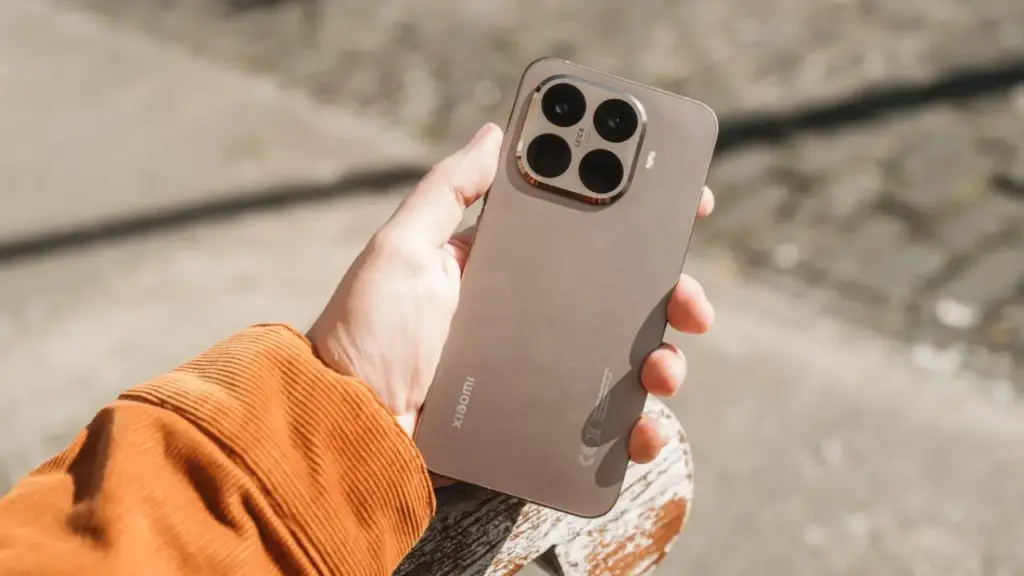
Buying a second-hand Xiaomi phone can be a smart way to get advanced features at a lower price. However, several risks such as problematic IMEI numbers, battery degradation, and fake ROM installations require careful scrutiny before purchase. Following a structured inspection process can help buyers avoid fraud and acquire a device in good working condition.
One of the most critical steps is verifying the IMEI (International Mobile Equipment Identity) number. The IMEI uniquely identifies every phone on cellular networks and confirms its legality. You can easily display the IMEI by dialing *#06# on the Xiaomi phone. Then, cross-check this number with the IMEI printed on the device body or its original packaging. Any mismatch might indicate the device has undergone illegal modification or component replacement, such as a motherboard swap. Buyers should also check the device’s regional variant code. Xiaomi uses different codes for markets such as Global, China, and India, which affect network compatibility and features like NFC and Google services. Devices not officially intended for your market may face restrictions or connectivity issues, so ensure the regional variant fits your needs.
Xiaomi phones come equipped with a built-in hardware test menu called Control and Identification Test (CIT). This diagnostic tool is accessible through the Settings menu under About Device > All Specs or by dialing ##64663##*. CIT allows users to evaluate hardware components without opening the phone. Buyers can test the touchscreen for dead pixels or burn-in, check speaker and microphone quality, as well as verify sensor functionality, including gyroscope and proximity sensors. Detecting anomalies via CIT often suggests prior damage or repairs, informing buyers about potential future problems.
Battery health is another key aspect to assess. Batteries naturally lose capacity over time, especially in used devices. Xiaomi smartphones usually provide battery health information within system menus or via dedicated apps. As a general benchmark, batteries with fewer than 500 charge cycles are still considered decent for everyday use. However, signs of rapid battery drain or unstable charging processes mean you should anticipate replacement costs. Aligning the asking price with battery condition ensures a fair deal without unexpected expenses.
Before finalizing the purchase, confirm that the previous owner has properly removed their Mi Account from the Xiaomi phone. Failure to unlink this account can cause the device to permanently lock after a factory reset, rendering it unusable. Ensure that the phone allows a clean factory reset and setup without requesting credentials from the former owner. This step safeguards against activation locks that block access to the device.
Be cautious of fake or unofficial ROMs installed on used Xiaomi phones. Some sellers use custom ROMs to disguise the phone’s origin or add features unavailable in official software. Despite tempting advantages, unauthorized ROMs compromise security updates, system stability, and user data privacy. You can verify ROM authenticity using third-party diagnostic apps that check system signatures and firmware integrity. Genuine Xiaomi devices running official HyperOS or MIUI versions receive regular security patches and system enhancements from Xiaomi, providing a safer user environment.
Lastly, consider the device’s long-term support. Different Xiaomi models have varied lifecycles for receiving operating system updates and security patches. Choosing a second-hand phone still covered by official updates ensures better performance and protection over time. This approach maximizes the value of your investment and optimizes your user experience.
Step-by-step checklist before buying a used Xiaomi phone:
- Dial *#06# to verify the IMEI matches the one on the device and box.
- Confirm the regional variant matches your intended market for optimal compatibility.
- Access the CIT menu (##64663##*) to test screen, speakers, microphones, and sensors.
- Check battery health and cycle count, ideally below 500 recharge cycles.
- Ensure the previous owner has removed their Mi Account to avoid activation lock problems.
- Use third-party apps to confirm the ROM is official and secure.
- Review Xiaomi’s update support timeline for the specific model to guarantee ongoing security and firmware upgrades.
By thoroughly following these steps, you can reduce risks and confidently buy a Xiaomi phone that delivers performance and reliability. Careful inspection combined with informed decision-making reveals a second-hand device’s true condition, helping you save money without compromising quality.