


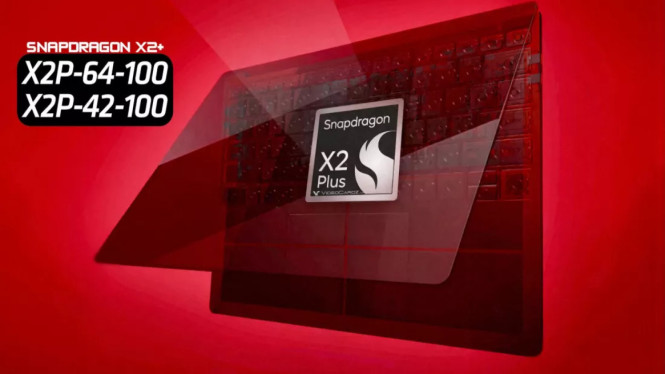
Qualcomm has unveiled the Snapdragon X2 Plus at CES 2026, positioning it as a groundbreaking processor for thin and light laptops. The company claims that this chip delivers 3.5 times the performance of the Intel Core Ultra 7 265U while operating at the same power level. This bold statement aims directly at challenging the long-standing dominance of x86 processors by Intel.
According to Qualcomm’s internal benchmarks using Geekbench 6.5, the Snapdragon X2 Plus shows a 35% improvement in single-core and a 17% increase in multi-core performance over its predecessor. GPU and AI capabilities see even more significant gains, with boosts of 29% and 78%, respectively. These enhancements suggest that Snapdragon is closing the gap with traditional laptop CPUs, especially in areas important for graphics and artificial intelligence workloads.
Architecture and Performance Models
The Snapdragon X2 Plus is available in two variants. The more powerful model sports a 10-core configuration, consisting of six Prime cores and four Performance cores. The other model opts for six Prime cores only but still targets stable and consistent performance. Both models incorporate the new Adreno X2-45 GPU, which supports DirectX 12 Ultimate and Vulkan 1.4. This compatibility means the chip can handle light gaming and demanding graphical productivity tasks, previously domains where Intel’s integrated graphics held an advantage.
Qualcomm emphasizes the power efficiency of the Snapdragon X2 Plus as a key strength. Their data shows Intel’s competing chip requires 4.6 times more energy to reach the same peak performance. For laptops where thermal management, battery life, and lightweight design are crucial, such efficiency could be a major advantage. This hints at a potential shift in market dynamics, as ARM-based processors like the Snapdragon begin to seriously compete in mainstream laptop segments.
Robust Connectivity and Memory Support
Beyond raw performance and efficiency, the Snapdragon X2 Plus supports modern features to meet contemporary laptop needs. It can operate with up to 128GB of LPDDR5x RAM, enabling fast and fluid multitasking. Its wireless capabilities include Wi-Fi 7 and Bluetooth 5.4 standards, ensuring superior and future-proofed connectivity options. Additionally, the chip supports up to three external 4K displays simultaneously, broadening its use case beyond basic work tasks to more complex multi-monitor setups.
These features position the X2 Plus as a versatile option, not just in terms of performance and power savings, but also in flexibility for everyday computing and professional workloads. It moves ARM architecture closer to parity with Intel and AMD, particularly as consumer demand for laptops balances between power and portability.
Impact on the Laptop Market
If Qualcomm’s claims hold true in retail laptop releases, the Snapdragon X2 Plus could significantly alter how consumers select laptops. For years, buyers have faced trade-offs between battery life and processing power. The Snapdragon X2 Plus suggests that this compromise might soon become obsolete, letting users enjoy high-end performance without the penalty of increased energy consumption.
The move also challenges the laptop ecosystem, traditionally dominated by Intel and AMD. Manufacturers will need to decide if they are ready to adopt ARM-based platforms for mainstream devices. Qualcomm’s advancements showcase how ARM architectures have matured, now appearing as serious contenders capable of reshaping a market long loyal to x86 CPUs.
Looking Ahead
The Snapdragon X2 Plus represents a noteworthy step in ARM’s encroachment into segments historically anchored by Intel’s CPUs. Its combination of efficiency, performance, and features promises to expand options for consumers seeking thin, light, and powerful laptops. Future benchmarks and real-world tests will ultimately determine whether this chip can dethrone established competitors or if Intel and AMD will respond with new innovations.
For now, the Snapdragon X2 Plus signals an exciting era where ARM processors are no longer just alternatives for mobile devices but formidable players in the broader laptop landscape. As this shift unfolds, consumers and makers alike will watch closely to see which architecture will define the future of portable computing.