The wearable health tracker market is evolving rapidly, especially in Asia and Europe, with increasing demand for integrated digital health solutions. Xiaomi Smart Band 10 and Fitbit Charge 6 have emerged as strong contenders, each with unique strengths appealing to different users.
Xiaomi targets budget-conscious consumers looking for a comprehensive health tracking experience without additional subscription costs. Fitbit focuses on users prioritizing clinical-grade accuracy and deep integration within Google’s ecosystem.
Design Differences
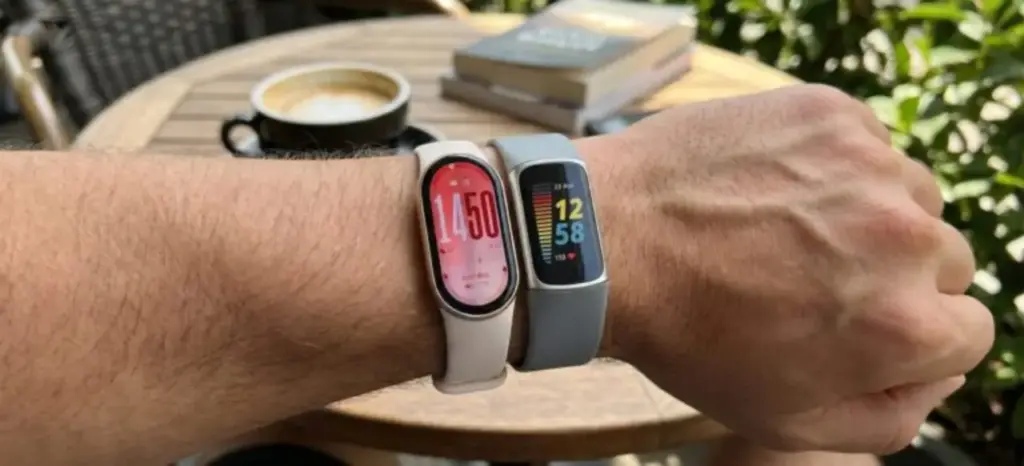
Xiaomi Smart Band 10 features a large 1.72-inch AMOLED display with 1,500 nits brightness, ensuring clear visibility even in bright sunlight. It also offers a premium Ceramic Edition, catering to those wanting a stylish accessory alongside fitness functionality. Fitbit Charge 6 has a smaller 1.04-inch AMOLED screen and follows a conservative design philosophy emphasizing durability and straightforward user interaction.
Sensor Accuracy and Health Monitoring
Fitbit maintains a slight edge in sensor precision with its advanced heart rate monitoring, detailed sleep stage detection, and clinical features like EKG, although EKG availability is region-dependent. Fitbit’s algorithms, developed jointly with Google, ensure stable and clinically reliable data suited for long-term health tracking. Xiaomi Smart Band 10 narrows this gap through multi-channel optical sensors optimized for stable data during intense physical activities. Its Vitality Score offers simple, actionable insights aligned with WHO physical activity guidelines, appealing to users who prefer less complexity.
Ecosystem and Service Models
A notable difference lies in their business models. Xiaomi provides full access to health tracking features following a one-time purchase, with seamless data synchronization through its HyperOS platform across Xiaomi devices. In contrast, Fitbit leverages a subscription service called Fitbit Premium, which unlocks advanced health trend analyses, readiness scores, and detailed wellness insights. This monthly fee enhances long-term data value but increases overall ownership costs.
Price Comparison in the Indonesian Market
Price disparity is significant in Indonesia. Xiaomi Smart Band 10 retails from approximately $40 to $55, depending on the variant and official distributors. Fitbit Charge 6, meanwhile, is priced between roughly $165 and $200, reflecting its premium positioning. This difference highlights Xiaomi’s appeal to cost-sensitive users and Fitbit’s focus on those needing high-precision health monitoring.
Key Feature Comparison Table
| Feature | Xiaomi Smart Band 10 | Fitbit Charge 6 |
|---|---|---|
| Display Size | 1.72-inch AMOLED, 1500 nits | 1.04-inch AMOLED |
| Design Variant | Standard + Ceramic Edition | Standard conservative design |
| Heart Rate & Sleep Accuracy | Multi-channel optical sensors | Advanced sensors with Google algorithms |
| Special Health Features | Vitality Score | EKG (region-limited), Readiness Score |
| Service Model | One-time purchase, no fees | Subscription-based Fitbit Premium |
| Ecosystem Integration | Xiaomi HyperOS | Google Ecosystem |
| Price Range (Indonesia) | $40 – $55 | $165 – $200 |
Choosing between Xiaomi Smart Band 10 and Fitbit Charge 6 largely depends on individual priorities. For users needing a cost-effective, straightforward health tracker, Xiaomi offers substantial value. Fitbit remains the preferred option for those seeking clinical-level health insights and full integration with Google services.
As wearable technology matures, Xiaomi’s entry disrupts Fitbit’s long-held dominance by combining competitive pricing with nearly comparable features. Buyers must weigh budget constraints against the need for advanced sensor accuracy and ecosystem compatibility, considering ongoing costs tied to subscription services. This comparison highlights the evolving landscape where affordability and precision coexist to serve diverse health-tracking needs globally.