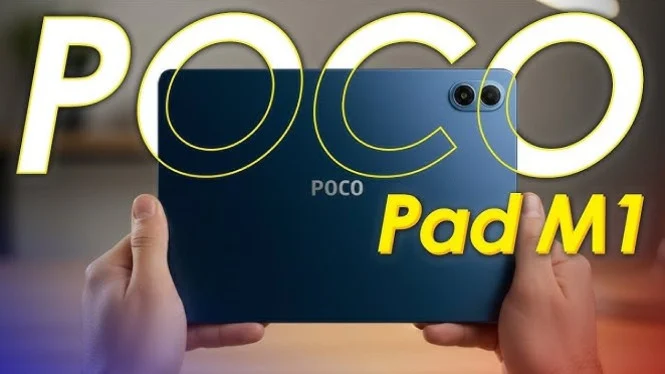
Samsung Galaxy Tab A11 Plus and Poco Pad M1 represent two distinct choices in the tablet market. The Tab A11 Plus targets mid-range users focused on productivity and value. Meanwhile, the Poco Pad M1 aims at power users needing flagship-level performance and larger display features.
The Samsung Tab A11 Plus offers an 11-inch display with a 90Hz refresh rate. This screen size suits various tasks, from work to entertainment, providing smooth visuals for daily use. However, it does not match the Poco Pad M1’s premium 12.1-inch 2.5K display that boasts a 120Hz refresh rate. The higher refresh and resolution deliver a noticeably crisper and more fluid experience. Poco’s tablet also comes with TUV certification to reduce eye strain during long sessions.
Performance Comparison
Performance is a key differentiator between these tablets. The Galaxy Tab A11 Plus runs on the MediaTek Dimensity 7300 chipset. This mid-range processor supports 5G and manages daily tasks and light to medium gaming well. However, it cannot compete with the Poco Pad M1’s Snapdragon 7s Gen 4 chipset. The latter is a near-flagship processor capable of handling heavy gaming and multitasking with ease. This chipset gap shows the Poco Pad M1 as the better option for demanding users.
Battery Life and Charging
Samsung equips the Tab A11 Plus with a 7,040mAh battery, typical for an 11-inch tablet. Users can expect reliable all-day use under normal conditions. Fast charging helps minimize downtime. In contrast, the Poco Pad M1 carries a massive 12,000mAh battery capacity, nearly double that of the Samsung tablet. It supports 27W reverse charging, allowing it to power other devices in emergencies. This makes the Poco Pad M1 the leader in battery endurance by a wide margin.
Memory and Storage
Memory and internal storage further highlight the tablets’ different targets. The Tab A11 Plus comes with 6GB RAM and 128GB storage, expandable via microSD up to 2TB. This setup suffices for average users but might require upgrades for more intensive use. On the other hand, the Poco Pad M1 features 8GB RAM and 256GB storage, offering better multitasking capabilities and ample space without immediate need for expansion. This suits users who need a more robust system for productivity or media consumption.
Software and Unique Features
Samsung differentiates its Tab A11 Plus with the inclusion of Samsung DeX mode. DeX transforms the tablet’s UI into a desktop-like interface, enhancing productivity for tasks such as document editing and multitasking. Samsung also promises up to seven years of software updates, providing long-term device support. Poco Pad M1 uses HyperOS 2, a smooth and modern operating system without a desktop mode but optimized for performance. Each tablet thus appeals to different user priorities: software versatility and longevity for Samsung, raw speed and display quality for Poco.
Price and Market Positioning
Pricing reflects the tablets’ specifications and target audiences. The Samsung Galaxy Tab A11 Plus is priced around $190 for the WiFi version and approximately $260 for the 5G variant. This places it firmly in the affordable mid-range category with strong software support. The Poco Pad M1 goes for about $280, justifying its higher cost with flagship-level hardware and a larger, higher-resolution screen. The approximately $90 price difference offers a stark choice between budget-conscious productivity and premium performance.
Summary Table
| Feature | Samsung Galaxy Tab A11 Plus | Poco Pad M1 |
|---|---|---|
| Display | 11-inch, 90Hz | 12.1-inch, 2.5K, 120Hz, TUV |
| Processor | MediaTek Dimensity 7300 | Snapdragon 7s Gen 4 |
| RAM | 6GB | 8GB |
| Internal Storage | 128GB (expandable to 2TB) | 256GB |
| Battery Capacity | 7,040mAh | 12,000mAh with 27W reverse charging |
| Software | Samsung DeX, 7-year updates | HyperOS 2 |
| Price (USD) | $190 (WiFi), $260 (5G) | $280 |
Choosing between these tablets depends on individual needs. Users prioritizing productivity tools and long-term updates may find the Tab A11 Plus suitable. Those requiring superior performance, bigger screens, and longer battery life would lean toward the Poco Pad M1. Both tablets balance price and features but serve different user profiles effectively.
-

-

-
-