


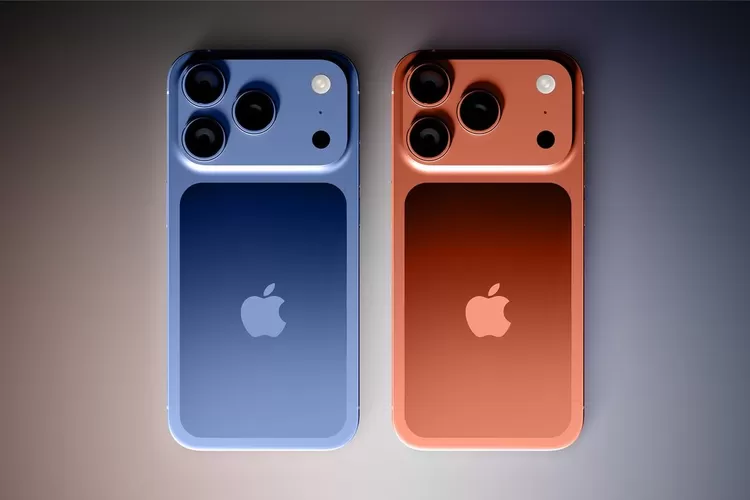
Apple is exploring the integration of multispectral sensor technology in its upcoming iPhone models. This innovation aims to enhance mobile photography by capturing richer visual data beyond the conventional red, green, and blue (RGB) channels used in standard cameras.
The news surfaced through a report by GSM Arena citing well-known leakster Digital Chat Station. According to this source, Apple has shown strong interest in multispectral imaging and is actively engaging with sensor suppliers. However, testing is still in preliminary stages, indicating the technology remains under early development.
Understanding Multispectral Sensors
Multispectral imaging sensors capture light across multiple wavelength bands, including those invisible to the human eye. Unlike typical smartphone cameras that rely on RGB sensors, multispectral technology collects complex spectral information. This capability allows devices to produce images with improved clarity, detail, and color accuracy.
This advanced imaging approach is currently utilized in various fields such as medical diagnostics, scientific research, and satellite imaging. Apple’s move to adapt it for smartphone cameras could redefine mobile photography by enabling iPhones to capture scenes with unprecedented detail.
Photography Improvements with Multispectral Technology
Implementing multispectral sensors is expected to significantly improve how iPhones differentiate between materials in a photograph. For example, it can more precisely separate skin textures, hair, fabrics, and backgrounds, resulting in natural and highly accurate portrait photos.
The technology also enhances depth perception, providing smoother and more realistic bokeh effects in portrait mode. Such improvements can help iPhones edge closer to professional camera quality in everyday use.
Additionally, the detailed data output from multispectral sensors can empower artificial intelligence (AI) algorithms to refine image processing. This means sharper photos, more faithful color reproduction, and better low-light performance without over-processing artifacts.
Enhanced Low-Light Photography
Low-light photography remains a challenge for smartphone cameras. Although iPhones already perform well in this area, the addition of multispectral sensors could elevate their capabilities further.
By capturing a broader range of light information, multispectral sensors help reduce noise and retain fine details even in dim environments. This leads to brighter and clearer night shots with natural tones, improving photo quality in scenarios where lighting is limited.
AI Integration for Smarter Imaging
Apple continuously advances its AI-driven image processing software. Multispectral sensors provide richer visual data that AI can analyze to fine-tune color balance, contrast, and detail with greater precision.
This synergy makes computational photography features more effective, allowing for smarter automatic shooting modes and on-device editing tools that enhance photos instantly upon capture.
Expected Launch Timeline and Future Prospects
Speculation suggests the iPhone 18 Pro could pioneer the use of multispectral sensors. Rumored to feature a 48-megapixel main camera with variable aperture and a large 48-megapixel periscope telephoto lens, this model aims to compete strongly with professional cameras.
There are also reports that Apple is testing a 200-megapixel camera sensor from Samsung for future iPhones. If adopted, this would place the iPhone among the top contenders in ultra-high-resolution smartphone photography.
Summary of Key Potential Features
- Multispectral sensor capturing multiple light wavelengths beyond RGB.
- Improved material differentiation and texture accuracy in photos.
- Enhanced portrait mode with realistic bokeh and depth perception.
- Superior low-light image quality with reduced noise.
- AI-powered image processing benefiting from richer spectral data.
- Upcoming iPhone models possibly featuring 48MP variable aperture and 200MP sensors.
Apple’s ongoing camera innovations demonstrate a clear ambition to transform the iPhone into a professional-grade photography tool. Bringing multispectral sensor technology into the smartphone realm could revolutionize how users capture and process images. These developments emphasize Apple’s commitment to pushing boundaries, promising a future where iPhone photography is more advanced, versatile, and accessible than ever before.
While the exact timeline for the release of this technology remains uncertain, anticipation grows as Apple continues to refine these cutting-edge imaging capabilities. Mobile photography enthusiasts and professionals alike may soon experience a new era of photo quality directly from their iPhones.