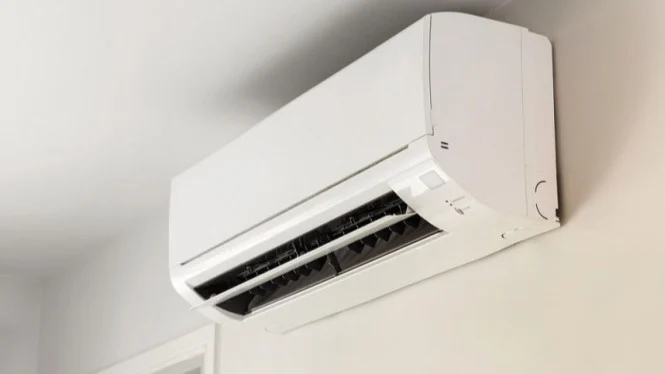
If you are planning to install a new air conditioner (AC) in 2026, choosing between inverter and non-inverter models involves more than just upfront cost. Understanding how each type operates and impacts electricity bills will help you make a smart decision for long-term savings.
The fundamental difference lies in the compressor technology. The compressor pumps refrigerant to cool your room, but its operation varies significantly between inverter and non-inverter ACs.
How Non-Inverter ACs Work
Non-inverter ACs operate like a simple on-off switch for the compressor. When you set your desired temperature, say 24°C, the compressor runs at full power until that temperature is reached, then it shuts off completely. Once the room heats up again, it restarts at full power. This constant start-stop cycle uses more electricity.


How Inverter ACs Work
In contrast, inverter ACs use a variable-speed compressor, similar to a dimmer switch. The compressor runs at high speed initially to cool down the room, then slows down to maintain the temperature steadily without turning off completely. This results in more efficient energy use and less wear on the compressor.
Energy Efficiency and Savings
Energy consumption is the major factor when comparing these two types. The inverter AC’s ability to avoid frequent on-off cycles leads to electricity savings of about 30% to 50% when used for eight hours daily. This efficiency makes inverter ACs a better option for heavy or regular use.
Temperature Comfort
Inverter ACs maintain a stable indoor temperature because they modulate compressor speed. With non-inverter units, the temperature fluctuates between cool (when the compressor is on) and warm (when it’s off), which can reduce comfort levels indoors.
Initial Cost vs. Long-Term Investment
The upfront cost of non-inverter ACs is generally lower, often by hundreds of dollars for the same cooling capacity. Repair costs also tend to be cheaper due to simpler technology and widely available spare parts. However, inverter ACs provide better value over time thanks to reduced electricity consumption.
Which Model to Choose?
Here is a simple guide to help you decide:
- If you plan to use AC for about 8 hours or more daily, investing in an inverter model will reduce your electricity bills and offer consistent comfort.
- For occasional use in guest rooms or living rooms, a non-inverter AC might suffice due to its lower buy-in price and maintenance simplicity.
This approach aligns with research from energy experts and consumer reviews showing inverter ACs deliver greater savings and better temperature control in continuous-use settings.
In 2026, as electricity prices continue to rise and energy efficiency becomes increasingly vital, inverter ACs represent a wise long-term investment. Non-inverter models still have a place for light or infrequent usage scenarios. Carefully evaluating your usage pattern and budget will ensure you select the AC that best fits your lifestyle while keeping energy costs manageable.