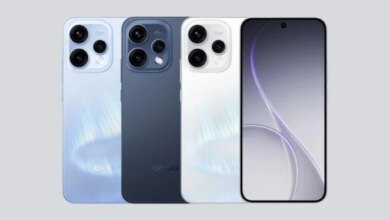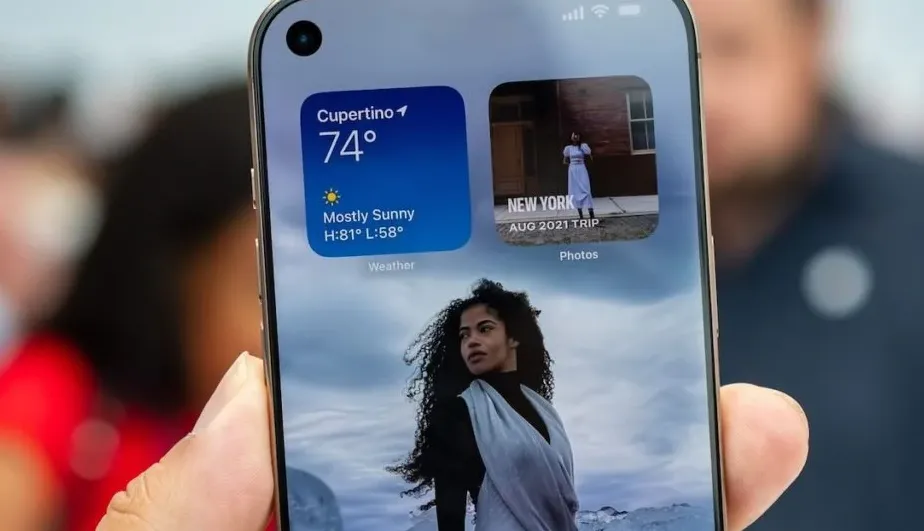
Apple is reportedly testing an under-display Face ID system for the upcoming iPhone 18. This innovation aims to reduce the visible notch or pill-shaped cutout that currently houses Face ID sensors. According to well-known Weibo tipster Smart Pikachu, Apple is experimenting with a micro-transparent glass panel to conceal infrared sensors beneath the screen.
Moving these sensors under the display could significantly shrink the pill-shaped cutout seen on recent iPhones. These sensors are essential for depth detection to prevent Face ID spoofing with photos. The development aligns with earlier predictions from display analyst Ross Young, who anticipated under-screen Face ID could debut in Apple’s 2026 iPhone lineup.
Technical Challenges with Under-Display Face ID


Integrating critical Face ID components, including the dot projector and infrared cameras, beneath a display is complex. The system must operate accurately without interference from the screen material. The “micro-transparent glass” approach seems to address these hurdles by allowing essential sensors to detect depth effectively through the panel.
Although fully notch-free designs like those on some Android phones (such as RedMagic 11 Pro) are not expected immediately, partial reduction of the current pill could be an achievable step in iPhone 18. Apple is likely focusing on balancing design improvements with the high security and responsiveness standards of Face ID technology.
Potential Design and Feature Updates on iPhone 18
The iPhone 18 series might bring improved front aesthetics alongside other enhancements. Rumors suggest:
- iPhone 18 Air may feature a 48MP ultra-wide camera.
- Pro Max version could have a larger battery and utilize a 2nm chipset.
- New color options for iPhone 18 Pro are expected.
- Upcoming iOS 27 will introduce its own updates.
Despite these rumors, it is important to note that prototype tests don’t guarantee final implementation. Apple frequently experiments with multiple configurations before finalizing product features. The decision to implement full under-display Face ID or a smaller pill cutout depends heavily on supply chain readiness and testing outcomes within the next year.
Industry Impact and User Expectations
Apple’s cautious, iterative approach contrasts with some Android manufacturers that have deployed under-display selfie cameras, often with compromises in image quality. Apple prioritizes user experience and device security, which could explain the measured pace of innovation.
Successfully integrating under-display Face ID could redefine premium smartphone aesthetics. It would set a new standard for combining advanced biometric security with a cleaner, more immersive front display.
Apple’s work on this technology drifts towards a simpler, less obstructed visual without sacrificing the accuracy and speed Face ID users expect. Consumers anticipating a nearly bezel-free iPhone screen with invisible Face ID hardware may see these hopes realized starting in 2026 with the iPhone 18.
In summary, the under-display Face ID integration presents a major evolution in iPhone design. While the notch may shrink rather than disappear entirely, Apple’s ongoing development hints at a significant future leap toward cleaner, unobtrusive front-camera technology for its devices. This initiative also aligns with Apple’s broader efforts to control chipset production and manage costs effectively while enhancing user experience.