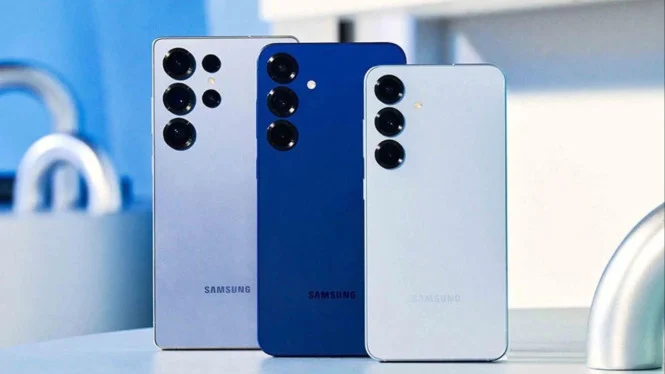
Samsung has issued a warning about potential price increases in electronic devices, particularly smartphones. This comes as the cost of key components, especially memory chips, continues to rise amid ongoing global supply chain pressures.
TM Roh, Co-CEO of Samsung’s Mobile Division, disclosed at CES 2026 that escalating component costs have placed the company in a challenging pricing environment. He emphasized that adjusting phone prices in the market may become inevitable.
Rising Costs of Critical Semiconductor Components

The global semiconductor industry has faced significant disruptions over recent years. These include production slowdowns, growing demand driven by artificial intelligence (AI) technologies, and stiff competition among chip manufacturers. Such factors have pushed the prices of memory chips, vital for smartphones, TVs, and smart appliances, upward. This increase directly impacts the overall cost of producing electronics.
Samsung is working closely with its global supply chain partners to find long-term solutions. Their goal is to stabilize prices and secure the supply of essential components. Despite these efforts, the company acknowledges that rising costs affect not only smartphones but also televisions, tablets, and smart home devices.
Samsung Reevaluates Pricing Strategies Worldwide
Wonjin Lee, Samsung’s Global Marketing Head, confirmed the company is reviewing pricing policies across various countries. In an interview with Bloomberg, Lee cited volatile currency exchange rates, inflation, and rising production expenses as reasons for adopting a more flexible pricing strategy. The objective is to maintain product competitiveness while ensuring business sustainability.
Lee stated, “We want to continue offering the best value to consumers, but at the same time, we must face the quickly changing market realities.”
Competitive Pressures Intensify in Memory Chip Market
Samsung’s semiconductor division was the world’s largest chip producer in 2024. However, in 2025, SK Hynix overtook it in the memory segment. This shift has influenced the availability and cost of memory chips globally. While Samsung remains a major player, its mobile division is experiencing difficulty securing chips at competitive costs. This situation compresses profit margins amid rising demand for flagship smartphones.
Galaxy S26 Launch as a Strategic Turning Point
The upcoming Galaxy S26 series launch is seen as critical for Samsung. The company recently lost the title of the world’s top smartphone manufacturer to Apple, driven by strong sales of the iPhone 17. To counter this, Samsung is reportedly planning specific pricing approaches in several markets. One key tactic is maintaining competitive prices for the Galaxy S26 to retain market share in the premium segment.
Considering the intense flagship smartphone competition, consumers now weigh both specifications and price-to-value ratio. A significant price hike risks pushing buyers toward alternative brands offering comparable features at lower costs.
AI Integration Becomes a Core Differentiator
Samsung is also capitalizing on rapid AI advancements across its product ecosystem. Internal company surveys reveal brand awareness of Samsung AI features among Galaxy users surged from 30% to 80% within a year. This trend underlines AI functionality as a major consumer draw.
The company aims to ship approximately 400 million AI-enabled devices this year, spanning smartphones, televisions, and smart home appliances. This target would double the total number of Galaxy AI products currently in circulation.
Consumers Should Prepare for Price Adjustments
Samsung advises customers to anticipate potential increases in prices for electronic devices, especially smartphones. Nevertheless, the company commits to keeping its products affordable across different market segments. Amid cost pressures and fiercer competition, Samsung’s strategy focuses on innovation, manufacturing efficiency, and strengthening the AI ecosystem to enhance user value.
The global smartphone market is expected to become more dynamic in the near future. Pricing strategies, component supply reliability, and technology development will be crucial factors for Samsung as it strives to maintain its leading role in the global tech industry.