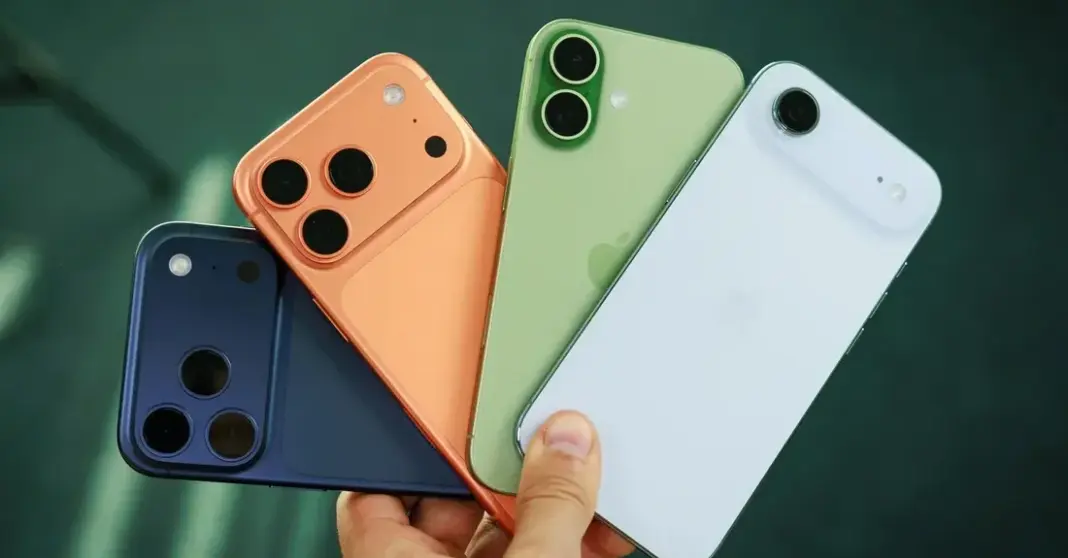
Apple is reportedly planning a significant change in the release schedule for its next-generation iPhone lineup. The company will separate the launch dates of the iPhone 18 Pro models and the base iPhone 18 models, a move aimed at boosting its competitiveness in a rapidly evolving smartphone market.
According to industry insider Mark Gurman and telecommunications sources, the iPhone 18 Pro, iPhone 18 Pro Max, and the highly anticipated foldable iPhone will debut in the traditional window of early September 2026. However, the standard iPhone 18, alongside the iPhone 18e and a potential iPhone Air 2 variant, will follow in early 2027. This staggered approach marks a departure from Apple’s usual practice of launching all versions simultaneously.
Details of the Release Schedule


This new timeline suggests that Apple intends to announce and release its flagship Pro models in the first ten days of September 2026, maintaining alignment with its historic pattern of fall product launches. Meanwhile, the base models could arrive within six months after, approximately between February and April 2027. Given the precedent set by earlier releases like the iPhone 16e launched in February 2025 and the expected iPhone 17e next year, February 2027 remains the strongest candidate for the base iPhone 18 release.
This separation will allow Apple to sustain consumer interest and media attention across two distinct launch periods annually. It will also help the company manage production resources more efficiently by prioritizing Pro models, which often carry higher profit margins, before shifting focus to the more affordable base units.
Strategic Rationale Behind the Shift
Apple’s revised launch strategy appears to directly respond to increased competition from rivals such as Samsung and Google. Samsung’s Galaxy S26 series, predicted for a release in early 2027, and Google’s Pixel lineup are prompting Apple to rethink its market approach to remain competitive.
By staggering the releases, Apple can better time its product launches to coincide with or respond swiftly to competitor announcements. According to Gurman’s newsletter "Power On," this timing optimizes Apple’s ability to retain its market share and leverage promotional efforts effectively. It also enhances Apple’s flexibility in adjusting to market dynamics rather than relying on a single annual release event.
Implications for Consumers and the Market
While this strategy may challenge customers who have grown accustomed to a single major launch season, it potentially benefits them through expanded purchasing windows and fresh product options distributed throughout the year. Customers interested in premium, cutting-edge technology can focus on the Pro models in the fall, with more budget-friendly or specialized options available months later.
Additionally, this model could reduce supply chain bottlenecks by spreading demand and production schedules. Apple can focus on quality control and incremental innovations per batch, which may improve product reliability and overall customer satisfaction.
Emerging Features and Design Insights
The upcoming iPhone 18 Pro series is expected to feature Apple’s proprietary C2 modem, replacing Qualcomm’s component, which signals Apple’s deeper vertical integration efforts to optimize performance and hardware synergy. Design tweaks are also anticipated, including the removal of the classic black color option on Pro models and the introduction of a 48MP ultra-wide camera on the iPhone 18 Air.
Such feature differentiation further justifies separate launch cycles, giving each model line its respective spotlight and marketing strategy.
A New Era for Apple’s iPhone Releases
This strategic pivot by Apple marks a notable evolution in how the company navigates the highly competitive smartphone industry. By splitting the release of its flagship and standard models, Apple aims to respond more nimbly to marketplace challenges and consumer demand shifts throughout the year.
Expect this segmented rollout to shape iPhone availability and market presence substantially by 2027, potentially influencing competitor tactics and consumer expectations globally.