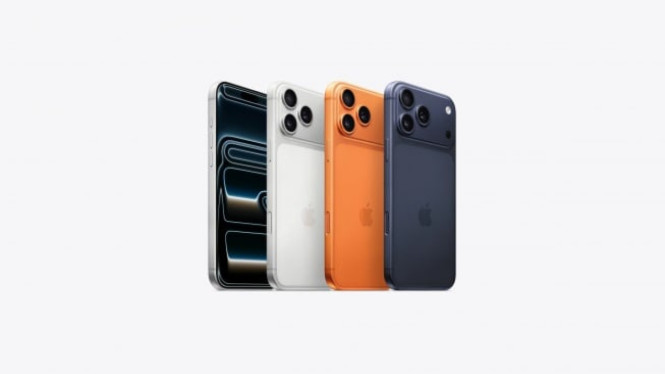
The global smartphone market is bracing for significant shifts in 2026, with iPhone users and other consumers facing rising prices amid shrinking RAM capacities. A surge in RAM prices, driven largely by increased demand for AI-targeted chips, threatens to disrupt the balance between performance and affordability for upcoming smartphone models.
Rising RAM Prices: The AI Factor
The sharp increase in RAM costs stems from a global pivot toward producing high-performance memory modules for artificial intelligence applications. According to industry analyses, major chip manufacturers have redirected much of their production capacity to meet this booming AI demand. As a result, the supply of standard RAM used in everyday consumer electronics—including smartphones—has tightened considerably. This imbalance is expected to directly impact production costs for manufacturers like Apple, pushing retail prices upward.


Impact on Smartphone Specifications
Market insiders reveal a worrying trend: smartphone manufacturers are reportedly scaling back on RAM configurations to navigate the inflated memory costs. Credible leaks from analyst Lanzuk on the tech news site Naver indicate that the incidence of 12GB RAM installed in smartphones has fallen by around 40%. Meanwhile, devices equipped with the once-standard 8GB RAM have decreased by half. Brands increasingly favor base models with just 6GB or 8GB of RAM, suggesting a rollback in what was once considered baseline performance standards.
Potential Downgrades in iPhone RAM
Apple’s flagship iPhones, traditionally known for generous memory allocations especially in Pro models, are not immune to these pressures. Predictions suggest that 16GB RAM configurations could become scarce, confined only to top-tier and most expensive variants. Midrange and entry-level iPhones, which were trending toward 8GB RAM, might see new versions ship with as low as 4GB RAM. This development implies that customers might end up paying higher prices for devices equipped with less memory than previous generations.
Broader Industry Consequences
The RAM scarcity and price hike present a dilemma for the smartphone industry. Companies must either accept slimmer memory specs or shift higher costs onto consumers. This scenario disrupts the conventional value proposition, potentially slowing innovation or affecting user experience negatively due to lower multitasking abilities and reduced performance scores. Analysts warn that if the current trajectory continues, the smartphone market could experience tightened competition with thinner margins and heightened consumer frustration.
Key Data Summary
- RAM prices to increase sharply in 2026 due to chip demand for AI.
- 12GB RAM smartphone models down by 40%.
- 8GB RAM smartphones decline by 50%.
- Base RAM configurations (6GB-8GB) favored by manufacturers.
- iPhone flagship models likely to reduce RAM options or reserve 16GB versions for premium lines.
- Midrange devices may drop from 8GB to 4GB RAM.
- Consumers face higher device prices alongside potentially reduced memory capacities.
Consumers and industry watchers should closely monitor Apple’s announcements about their 2026 smartphone lineup and memorystorage strategies. The company’s response will provide valuable insight into how entrenched the RAM shortage is and whether price hikes and hardware downgrades will become standard across the market. This situation also emphasizes the broader challenge of balancing AI advancements with consumer product availability without compromising affordability or performance.