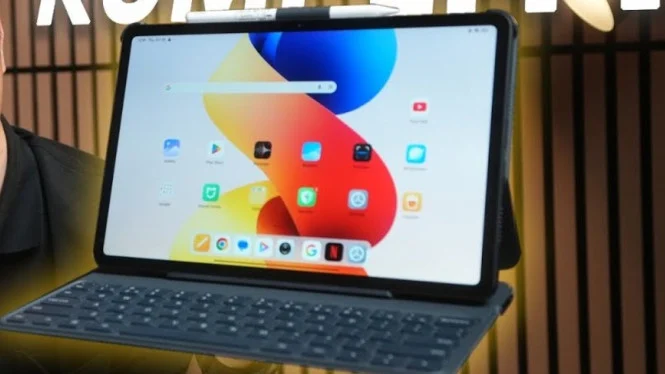
Samsung Galaxy Tab A11 Plus and Xiaomi Redmi Pad 2 compete fiercely in the 11-inch tablet segment of 2026. Both offer compelling features that cater to different user priorities, making the choice dependent on what users value more. With prices close to each other, the competition becomes a hot topic for potential buyers.
The Galaxy Tab A11 Plus stands out with Samsung’s mature ecosystem and the advanced Samsung DeX feature. Redmi Pad 2, on the other hand, focuses heavily on multimedia experience supported by a massive battery and robust speakers. This comparison explores their key features, performance, and value to help buyers decide.
Display and Visual Experience


Both tablets feature an 11-inch display, striking a balance between portability and screen size. The Galaxy Tab A11 Plus offers a 90Hz refresh rate that ensures smoother scrolling and animations. However, the Redmi Pad 2 provides a higher resolution of 2.5K with brightness up to 600 nits, enhancing clarity and outdoor visibility.
This difference means that while the Tab A11 Plus is pleasant for everyday use, the Redmi Pad 2 excels for media consumption with sharper and brighter visuals. Users prioritizing multimedia viewing may find the Redmi Pad 2 more suited to their needs.
Performance and Memory
The Galaxy Tab A11 Plus integrates the MediaTek Dimensity 7300 chipset, a relatively powerful processor supporting 5G connectivity. This chip delivers smooth gaming performance and multitasking capabilities. It pairs with 6 to 8 GB RAM options, sufficient for demanding applications.
Conversely, the Redmi Pad 2 utilizes the Helio G100 Ultra chipset combined with Xiaomi’s HyperOS 2 software. Its 8 GB RAM ensures seamless multitasking and fluid daily operation. Although the Tab A11 Plus has a slight edge in processing power and 5G support, the performance difference in everyday tasks is minimal.
Battery Life and Charging
Battery capacity highlights a major distinction between these two tablets. Samsung equips the Tab A11 Plus with a 7,040 mAh battery, which can last a full day under average use. The charging speed is adequate but not exceptional for this category.
Xiaomi’s Redmi Pad 2 features a significantly larger 9,000 mAh battery, offering superior endurance. It can last up to two days with moderate usage, making it ideal for extended media playback or intensive workloads without frequent recharging.
Users seeking long-lasting battery life without sacrificing screen time will likely prefer Redmi Pad 2’s battery monster.
Storage and Expandability
Both tablets come with 128 GB of internal storage, a comfortable size for apps, games, and multimedia files. Expandable storage via microSD card is supported by both devices, allowing up to 2 TB of additional space.
This parity in storage options means users can rely on either tablet to handle extensive file libraries. Thus, storage should not be the deciding factor but paired with other specs to determine the best fit.
Distinctive Features
Samsung leverages its DeX feature in the Galaxy Tab A11 Plus, transforming the tablet into a desktop-like environment. This productivity tool supports multitasking with familiar keyboard and mouse inputs, enhancing workflow for users who need a laptop alternative.
In contrast, Redmi Pad 2 emphasizes immersive multimedia with four Dolby Atmos-enabled speakers that deliver rich, dynamic sound. Its premium metal design also appeals to users who value aesthetics alongside functional sound performance.
These focus areas illustrate Samsung’s angle toward productivity while Xiaomi targets media enthusiasts.
Pricing and Availability
Galaxy Tab A11 Plus prices start at approximately $200 for the WiFi-only variant and around $270 for the 5G-equipped model. The higher cost reflects additional features such as faster chipset and DeX capability.
Redmi Pad 2 is more affordable, priced near $160, offering remarkable value with its superior battery and multimedia features. The price gap of about $40 to $50 accounts for the difference in connectivity and ecosystem perks.
Summary of Key Specs
| Specification | Samsung Galaxy Tab A11 Plus | Xiaomi Redmi Pad 2 |
|---|---|---|
| Display | 11-inch, 90Hz refresh rate | 11-inch, 2.5K, 600 nits |
| Processor | MediaTek Dimensity 7300 (5G) | Helio G100 Ultra |
| RAM | 6 or 8 GB | 8 GB |
| Battery | 7,040 mAh | 9,000 mAh |
| Storage | 128 GB + microSD expansion | 128 GB + microSD expansion |
| Special Features | Samsung DeX productivity mode | Dolby Atmos quad speakers |
| Price (USD) | $200 (WiFi), $270 (5G) | $160 |
In conclusion, the Samsung Galaxy Tab A11 Plus and Xiaomi Redmi Pad 2 cater to different user needs despite similar screen sizes and storage options. Samsung leans toward productivity users leveraging DeX and faster internals with 5G, while Xiaomi provides a long-lasting battery and excellent multimedia experience at a lower price point. Buyers should assess their priorities between workflow versatility or extended entertainment usage to select the ideal tablet.