Motorola has long been a significant name in the history of smartphones. It was once a leading pioneer known for shaping design and technology trends during the early eras of mobile communication.
However, over time, Motorola’s presence diminished, overshadowed by newer brands that adapted faster and captured more attention. The launch of Motorola Signature marks a pivotal moment signaling the brand’s serious intent to reclaim its position in the competitive smartphone market.
A Symbolic Return
The Motorola Signature is more than just a new phone; it represents a strategic statement. The word “Signature” suggests a personal mark – a deliberate effort by Motorola to reestablish its identity and influence in the smartphone industry.
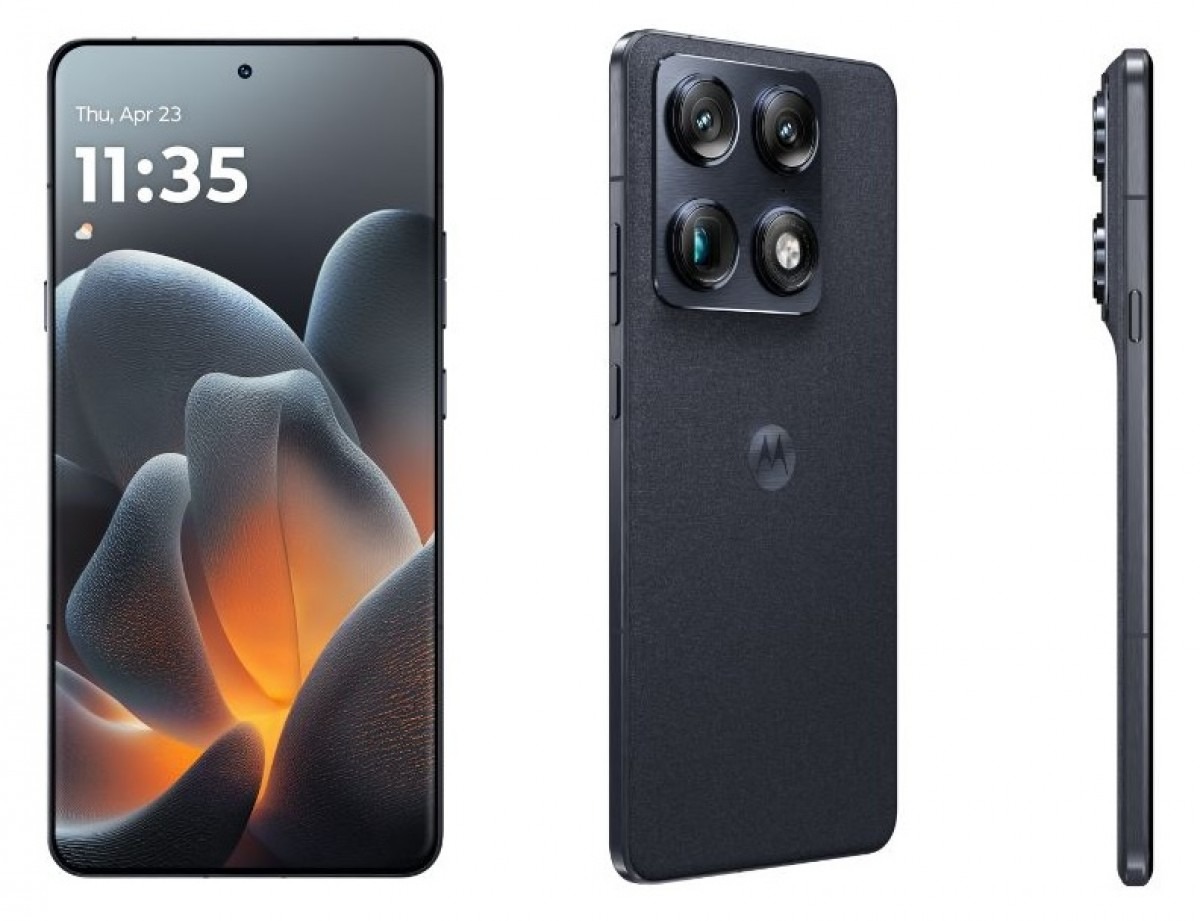
This device does not seek to chase fleeting trends. Instead, it embraces a mature and understated premium design language. The phone eschews flashy or futuristic looks in favor of a refined aesthetic that resonates with Motorola’s legacy of iconic and durable devices.
Design and User Experience
Motorola Signature’s design philosophy leans towards elegance and simplicity. It reflects the brand’s historic strength by focusing on solid materials and timeless style. This approach taps into nostalgia, a key asset for legacy brands aiming to reconnect with their former audience.
The user interface prioritizes clarity and ease of use. It offers a clean, minimally intrusive experience with little bloatware, resulting in a smooth and stable system performance. This suggests Motorola’s shift back to a smartphone’s core purpose: a reliable tool that supports daily activities without unnecessary distractions.
Balanced Performance
Motorola does not promote the Signature as the most powerful phone on the market. Instead, it strikes a balance suitable for everyday tasks like communication, multimedia consumption, and multitasking. This pragmatic focus favors consistency and user comfort over chasing benchmark supremacy.
Camera capabilities follow the same philosophy. Rather than boasting the highest megapixel count or breakthrough technology, Motorola Signature aims for stable image quality, natural colors, and user-friendly operation. This appeals to users who prefer realistic photos without complex settings.
Strategic Positioning and Market Approach
The introduction of Motorola Signature appears to be a controlled experiment gauging consumer interest in the brand. By targeting a specific segment with a clear and strong identity, Motorola tests the waters before expanding into wider markets.
This reentry strategy reflects a shift from price-based competition to differentiation through character and user experience. Although risky, this move has the potential to carve out a distinctive space for Motorola in a crowded, often homogenized smartphone marketplace.
Implications for the Smartphone Industry
Motorola Signature sparks renewed discussions about the role of legacy brands amid rapid modern innovation. Many current smartphones share similar designs and feature sets. In contrast, Motorola Signature stands out by committing to identity and purposeful design rather than mere feature race.
While it is too early to declare this product a complete revival for Motorola, it undeniably signifies a renewed direction and determination. The brand no longer depends solely on past glory but actively reengages the market with concrete offerings.
Whether this effort will broaden into a successful, extensive product lineup and recapture significant market share remains to be seen. For now, Motorola Signature serves as a meaningful milestone indicating the brand’s comeback ambitions and its measured approach to modern smartphone demands.
-
-
-

-