Entering 2026, smartwatches are no longer viewed merely as phone accessories. These devices have evolved into multifunctional gadgets for daily communication, activity tracking, and health monitoring, all available at prices around Rp200,000 (~$13 USD).
This advancement aligns with improvements in wearable technology, which has become more efficient and cost-effective. Manufacturers now equip budget-friendly smartwatches with features once limited to mid-range models. As a result, affordable smartwatches can display notifications, handle calls, track physical activities, and record basic health data.
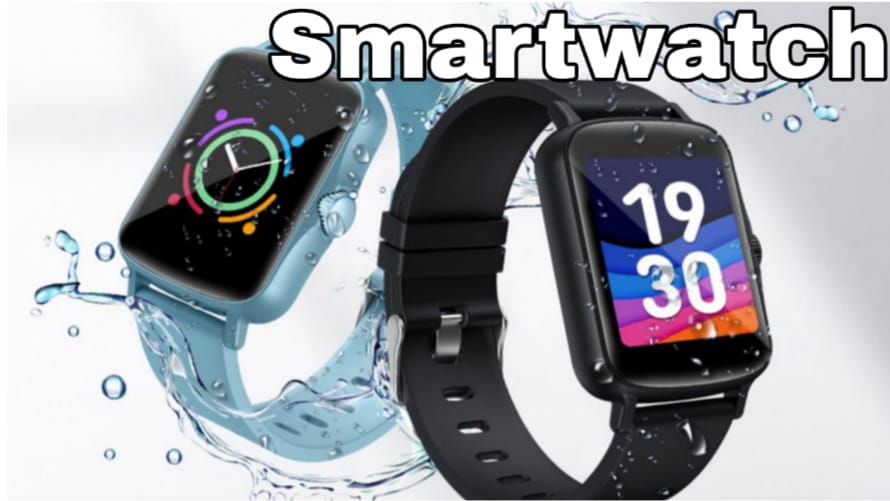
The rising demand for practical devices supporting mobility drives this trend. Students, workers, and everyday users benefit from smartwatches to manage their daily routines without constant reliance on smartphones. For roughly $13 USD, these devices often feature large screens ranging from 1.8 to over 2 inches.
Many models use IPS panels and curved displays, enhancing readability and offering a modern look. A key feature is the ability to make and receive calls via Bluetooth, allowing users to stay connected hands-free directly from their wrist.
Health monitoring is standard, with sensors tracking heart rate, blood oxygen levels, sleep quality, step count, and estimated daily calorie burn. Some devices support dozens or even hundreds of sports modes, including walking, running, cycling, and light workouts, catering to active lifestyles.
Battery life remains a priority in this price segment. Typically, watches last from five to more than ten days per charge depending on usage patterns. This endurance reduces charging frequency and simplifies daily use.
Certain models also offer water and dust resistance features, enhancing durability in outdoor and varied weather conditions. Companion smartphone apps enable centralized monitoring of health and activity data, improving user insight and motivation.
Despite extensive functionalities, limitations exist in sensor accuracy and build quality, reflecting the affordable price point. Consumers should select devices based on their primary needs, whether communication, health tracking, or light exercise.
The following table summarizes common features found in Rp200,000 (~$13 USD) smartwatches in 2026:
| Feature | Description |
|—————————|———————————————————|
| Display | 1.8-2+ inch IPS curved screen |
| Connectivity | Bluetooth calling and notifications |
| Health Monitoring | Heart rate, SpO2, sleep tracking, step counter, calories|
| Sports Modes | 30 to 100+ modes including walking, running, cycling |
| Battery Life | 5 to 15+ days |
| Durability | Water and dust resistance (varies by model) |
| App Support | Companion apps for comprehensive health/activity tracking|
These watches offer practical and affordable wearable technology for everyday life. They strike a balance between features, design, and price, enabling users to enjoy connected and healthy lifestyles without significant financial investment.
As wearable tech continues to advance, expect further improvements even within the budget segment, making these devices an increasingly valuable part of daily routine management.