


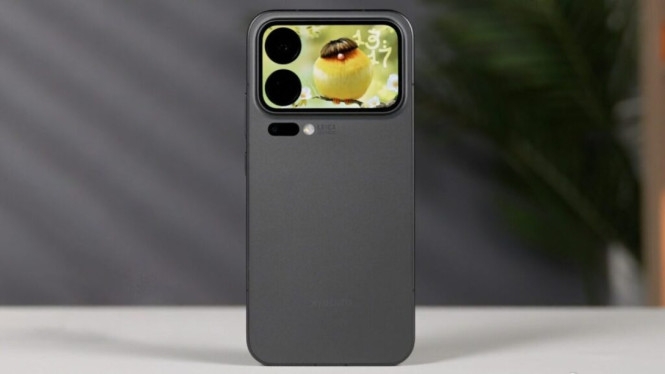
The Xiaomi 17S Pro is officially listed in the GSMA database under the model number 2605EPN8EC. This registration confirms the device’s planned launch in June 2026. Industry analysts decrypted the internal Xiaomi coding system, where "26" indicates the year 2026 and "05" corresponds to June, solidifying expectations for a mid-year release. The timing aligns with Xiaomi’s traditional summer event, often reserved for unveiling their most innovative technologies.
This upcoming flagship smartphone will mark a significant milestone in Xiaomi’s chip development. The 17S Pro is powered by Xiaomi’s in-house designed XRING O2 chip. This represents a leap forward from the previous generation XRING O1 processor used in the Xiaomi 15S Pro. By creating its own silicon, Xiaomi is reducing dependency on third-party chip manufacturers. According to Xiaomi’s CEO Lei Jun, this vertical integration aims at achieving “complete independence.” The XRING O2 chip will tightly integrate with Xiaomi’s custom operating system, HyperOS, and advanced AI functionalities, enabling optimized hardware-software synergy.
Key Characteristics of Xiaomi 17S Pro and XRING O2 Chip
- Internal chip design, allowing full control over chipset performance.
- Integration with HyperOS and AI customizations for enhanced user experience.
- Expected increased power efficiency and processing speed compared to predecessor models.
- Support for advanced AI algorithms embedded at the hardware level.
Previous Xiaomi flagships relied heavily on external chip suppliers, but this development reflects the company’s strategic shift toward proprietary technology. The XRING O2 not only intends to rival leading mobile processors like Snapdragon and Dimensity but also to provide Xiaomi with a unique competitive edge by optimizing software and AI according to its ecosystem.
Another notable aspect revealed alongside the 17S Pro is Xiaomi’s decision to streamline its branding approach. The company is retiring the ‘MIX’ series label for foldable phones. Future foldable models will bear names like Xiaomi 17 Flip and Xiaomi 17 Fold. This signals Xiaomi’s effort to position foldable devices as mainstream flagship smartphones rather than niche experimental products. The rebranding reflects their confidence in foldables becoming a core part of their product lineup, reinforcing innovation and market expansion.
Xiaomi’s approach emulates business practices seen in major tech giants, where tight integration across silicon, software, and AI is key to delivering premium user experiences. Controlling all three pillars enables Xiaomi to fine-tune performance and efficiency beyond what partnerships with external chipmakers typically allow. As Lei Jun emphasized, striving for this self-reliance aims to replicate success stories in the tech world where end-to-end ecosystem control defines industry leadership.
The unveiling of the Xiaomi 17S Pro in June 2026 is expected to be more than a product release. It represents a strategic milestone demonstrating the firm’s capacity for in-house hardware innovation and seamless software integration. Observers anticipate that the XRING O2 will showcase significant advancements in processing power, AI responsiveness, and battery management. Additionally, HyperOS customization will likely enhance multitasking and smart features designed around AI’s growing role in modern mobile devices.
As Xiaomi moves forward, its focus on proprietary technology and unified branding will influence global smartphone markets. The 17S Pro could redefine consumer expectations regarding performance, hardware-software collaboration, and AI capabilities. This device will be a testament to Xiaomi’s dedication to expanding technological independence while maintaining competitive pricing. Given the company’s trajectory, the June 2026 launch will be a crucial event symbolizing the company’s evolution into a fully integrated smartphone powerhouse.