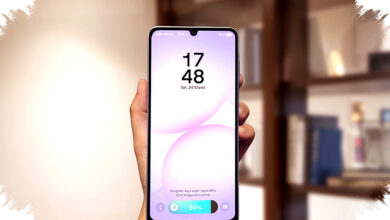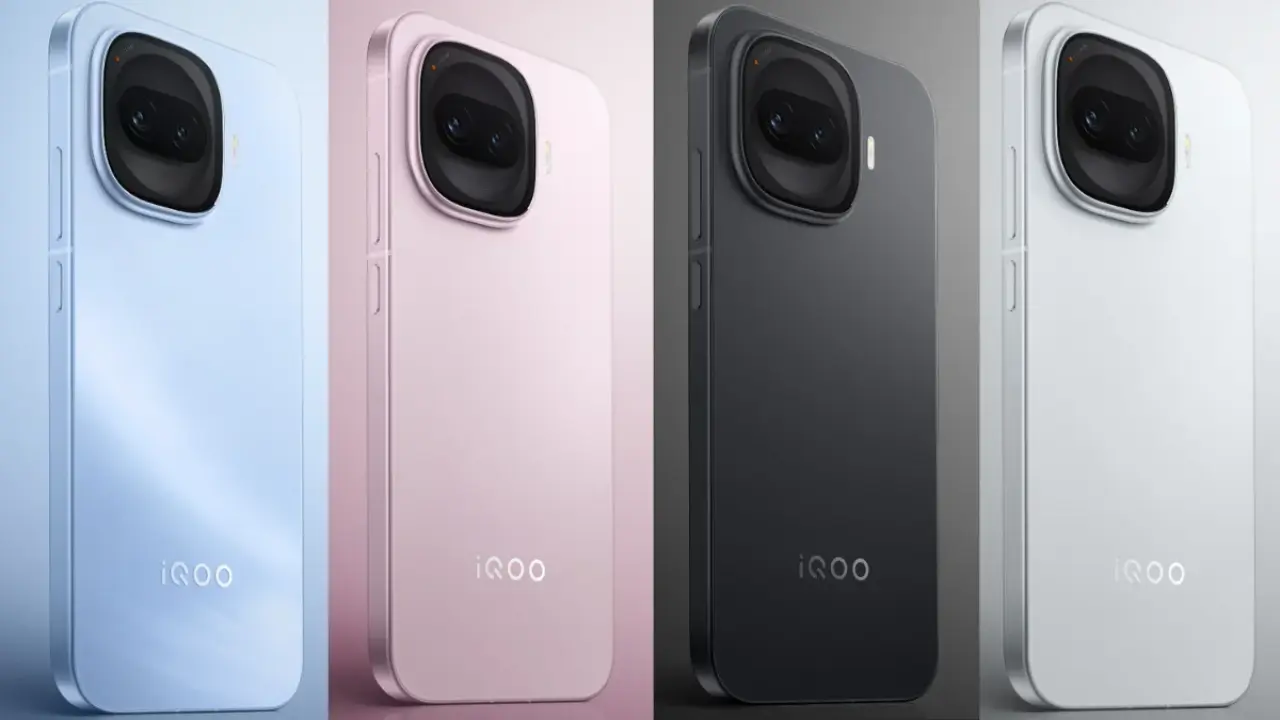
PT Vivo Mobile Indonesia officially prepares to launch two new smartphones, Vivo V70 and iQOO 15R, targeting the Indonesian market in early 2026. Both devices have successfully cleared the mandatory certification processes, including Tingkat Komponen Dalam Negeri (TKDN) and the Indonesian telecommunications certification SDPPI. This certification sets the stage for an official debut expected within the first quarter of 2026.
The Vivo V70, with the model number V2538, achieved a TKDN value of 35.65 percent as recorded by Indonesia’s Ministry of Industry in mid-December 2025. The device also secured registration with the Ministry of Communication and Digitalization (Kominfo) by December 24, 2025. Meanwhile, the iQOO 15R (model number I2508) passed the SDPPI certification on January 9, 2026, and obtained international certifications from Bluetooth SIG, India’s BIS, Malaysia’s SIRIM, and the European EEC.
Significance of TKDN Certification and Regulatory Landscape
The TKDN requirement mandates a minimum local content of 35 percent for telecommunication devices to be marketed in Indonesia. This regulation is reinforced by the Minister of Industry Regulation No. 35 of 2025, issued on September 11, 2025, which replaced the older 2011 regulation. The updated policy aims to simplify and accelerate the TKDN certification process while offering incentives to boost local industry participation.
According to Minister of Industry Agus Gumiwang Kartasasmita, this reform enhances the national industrial ecosystem and prioritizes products with TKDN levels above 40 percent for government procurement. He emphasized the collaborative success with the Ministry of Communication and Digitalization in enforcing the minimum 35 percent TKDN rule for telecommunication equipment, which has led to increased investment in domestic industries and a reduction in imports.
Expected Specifications of Vivo V70 and iQOO 15R
Industry leaks suggest that the Vivo V70 will cater to the upper mid-range segment. The device is likely a rebranded version of the Vivo S50 model previously released exclusively in China. Reported features include a Snapdragon 7 Gen 4 or Snapdragon 8s Gen 3 chipset, a 6.59-inch OLED display with a 1.5K resolution and 120 Hz refresh rate, along with a 6,500 mAh battery that supports 90W fast charging.
On the other hand, the iQOO 15R aims to capture the high-performance gaming market segment. Trusted rumors point to the device being a rebranded iQOO Z11 Turbo with flagship-class specs. It is anticipated to feature Qualcomm’s Snapdragon 8 Gen 5 chipset, a 6.59-inch LTPS OLED display with 1.5K resolution, up to 16GB of RAM, and a large 512GB storage capacity. The iQOO 15R’s battery is expected to be substantial at 7,600 mAh, complemented by a high-resolution 200MP primary camera with optical image stabilization (OIS).
Strategic Market Positioning and Consumer Impact
By meeting crucial regulatory requirements, Vivo demonstrates its commitment to deepening its footprint within Indonesia’s smartphone market. The dual launch of the Vivo V70 and iQOO 15R will diversify options for consumers, especially in the mid-range and premium gaming segments respectively. These devices arrive at a time when Indonesian consumers increasingly demand competitive performance coupled with reliable local support and compliance.
Key Points Summary:
- Both Vivo V70 and iQOO 15R passed Indonesia’s TKDN and SDPPI certifications in late 2025 and early 2026.
- TKDN certification requires at least 35% local content, supported by updated Ministerial Regulation No. 35/2025.
- Vivo V70 targets mid-premium users with Snapdragon 7 Gen 4 or 8s Gen 3, 6.59-inch OLED, 6,500 mAh battery.
- iQOO 15R aims at gaming enthusiasts with Snapdragon 8 Gen 5, 16GB RAM, 200MP OIS camera, and 7,600 mAh battery.
- Regulatory compliance fosters local industry support and is part of a broader government effort to reduce imports.
With their successful certification and strategic specs, Vivo V70 and iQOO 15R are positioned to make a strong impression in Indonesia’s competitive smartphone landscape in early 2026. The devices underscore Vivo’s adaptation to regulatory reforms and consumer trends, promising to contribute to both technological innovation and local economic growth.