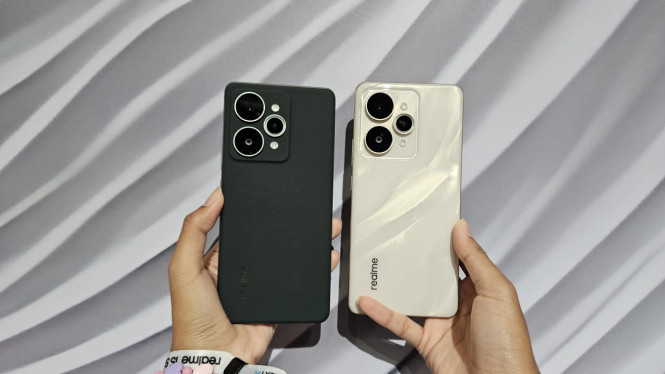
Realme has officially re-integrated into Oppo’s strategic umbrella, aligning closely with OnePlus, which also operates as a sub-brand under Oppo. This restructuring aims to streamline resources, reduce operational expenses, and enhance overall efficiency within the group. These changes are set to alter Realme’s marketing strategies, pricing models, and customer service approaches significantly.
The move comes as part of a broader plan to consolidate the brand’s presence in highly competitive markets like India and Southeast Asia. Industry experts emphasize that this integration is not a step backward but a necessary adaptation to maximize synergies and remain competitive.
Reason Behind Realme’s Return under Oppo
Realme initially emerged as an independent brand from Oppo but has now returned to functioning as a sub-brand to consolidate resources. This approach reduces redundant costs and creates a more cohesive infrastructure. By combining operations, Oppo and Realme can coordinate their brand positioning with greater precision, which is critical in diverse markets.


Although Realme’s product range might narrow in some regions, the overall global operational efficiency is expected to improve. Streamlining organizational structures enables faster decision-making and better allocation of research and development budgets.
Leadership and Management Role
Sky Li, Realme’s founder and CEO, plays a pivotal role in this integration process. He now oversees all operational activities across the merged entities, focusing on maintaining Realme’s brand identity while aligning operational strategies closely with Oppo. While financial specifics remain confidential, leadership aims to strengthen the synergy between the brands to amplify market impact.
Implications for Realme Users
One critical outcome is the consolidation of after-sales support. Realme customers will now access Oppo’s well-established customer service network, potentially leading to improved technical support and service reliability. This integration benefits consumers by enhancing service quality and providing more extensive support channels.
Both companies pledge to keep product lineups distinct for branding and sales purposes, ensuring that Realme’s market identity remains clear despite unified back-end operations.
Impact on Pricing and Marketing Strategies
With integration, marketing and pricing strategies can be synchronized across Realme, Oppo, and OnePlus. Realme’s competitive advantage in affordability and mid-to-low segment specifications, especially in Southeast Asia and India, will be refined to avoid market cannibalization among Oppo’s sub-brands.
This careful positioning could result in Realme focusing on specific price points while Oppo or OnePlus cover other segments. Such coordination helps the group capture a broader market share without internal brand conflicts.
Efficiency Gains and Global Market Position
Realme’s rejoining Oppo reflects a broader industry trend toward maximizing operational efficiency for sustained profitability. Combining core functions like research, development, and customer support allows more intelligent capital deployment.
This unified strategy equips the Oppo-Realme-OnePlus group to compete more aggressively with global smartphone brands. The collective strength from streamlined operations and distinct market targeting equips them better to challenge rivals while offering diverse product lines to meet regional demands.
Summary of Key Changes:
- Realme operates again as a sub-brand under Oppo alongside OnePlus.
- Resource consolidation aims to cut costs and boost efficiency.
- Sky Li leads the operational integration, focusing on synergy.
- Customer service systems merge, improving after-sales support.
- Marketing and pricing strategies will be coordinated to avoid overlap.
- Global competitiveness is expected to strengthen through better asset allocation.
Consumers can anticipate a smoother service experience with potentially clearer distinctions in product offerings. Meanwhile, Oppo’s parent company optimizes its brand portfolio to maintain its position in the global smartphone market amid intensifying competition.