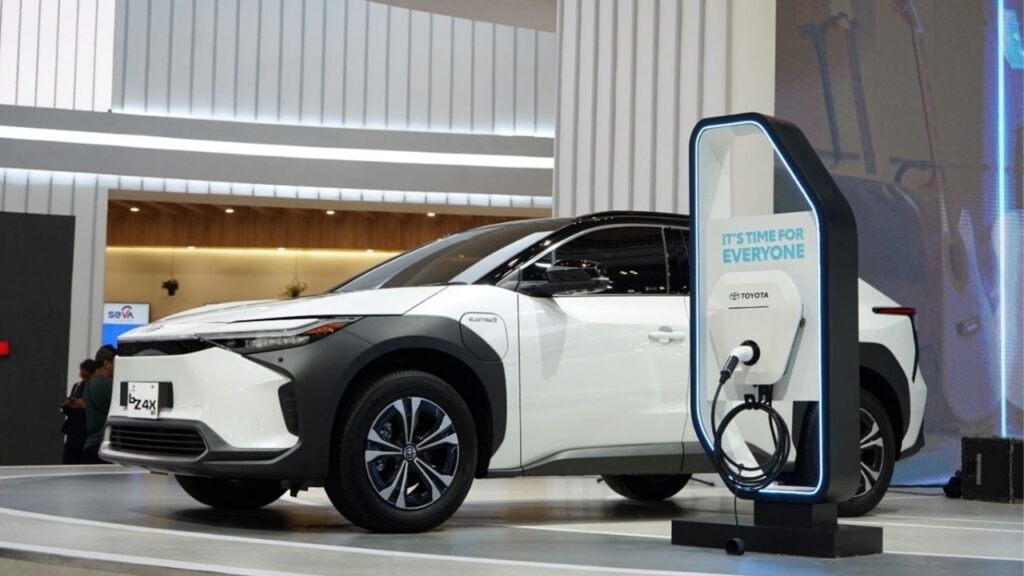
Electric vehicles (EVs) and hybrid cars have become popular choices for eco-conscious consumers. Both use electricity as an energy source, but their operation and energy systems differ significantly. Understanding these differences helps you decide which vehicle suits your lifestyle best.
Electric vehicles run entirely on electric motors powered by rechargeable batteries. This means EVs produce zero tailpipe emissions, making them highly environmentally friendly. In Indonesia, companies like Wuling have advanced EV technology, offering models such as the Air EV and Binguo EV, which cater to urban commuters.
EVs usually offer varying driving ranges depending on battery capacity. For instance, Wuling’s Binguo EV features two variants: Long Range at 333 km and a Premium Range reaching up to 410 km on a single battery charge. Top speeds of these models can reach about 130 km/h, ideal for city and moderate highway driving.
One major advantage of EVs is their quiet operation and simple maintenance due to fewer mechanical components compared to combustion engines. Owners can conveniently charge their vehicles at home, reducing dependence on fuel stations and lowering running costs. This convenience pairs well with urban lifestyles where short commutes and reliable charging infrastructure are available.
How EVs Operate
EVs rely on battery packs to power an electric motor. They store electricity that is converted directly into mechanical energy, enabling smooth acceleration and regenerative braking. Regenerative braking recovers energy during deceleration, extending battery life and driving range.
Electric vehicles can be categorized as Battery Electric Vehicles (BEV), Fuel Cell Electric Vehicles (FCEV), Hybrid Electric Vehicles (HEV), or Plug-in Hybrid Electric Vehicles (PHEV). Each type has a distinct balance between electric power and fuel usage, offering different benefits.
Hybrid Vehicles Explained
Hybrids combine a gasoline or diesel engine with an electric motor and battery. This dual-source system improves fuel efficiency while reducing emissions compared to traditional vehicles. The hybrid’s combustion engine and electric motor work in tandem, optimizing energy use based on driving conditions.
In Indonesia, the New Almaz RS Pro Hybrid exemplifies this technology with a 2.0-liter gasoline engine linked to an electric motor via a Dedicated Hybrid Transmission (DHT). DHT enables seamless power transfer without pauses, enhancing acceleration and driving comfort.
Advantages of Hybrid Cars
- Fuel Efficiency: Hybrids consume less gasoline due to the supplemental electric motor, which kicks in during stop-and-go traffic or low-speed driving.
- Lower Emissions: Reduced carbon dioxide output contributes positively to air quality.
- Smooth Ride: Reduced engine vibration and noise create a quieter cabin environment.
- Improved Performance: Hybrid systems boost acceleration and responsiveness thanks to combined power sources.
Moreover, hybrids tend to have lower maintenance costs than conventional gasoline cars because their engines often operate under less strain.
Choosing the Right Vehicle for Your Lifestyle
Selecting between an EV and a hybrid depends largely on your daily routines and preferences. If you have easy access to charging stations or can charge at home, and prioritize zero emissions, an EV is a practical and eco-friendly option. Features like Auto Vehicle Holding (AVH) and Hill Hold Control (HHC) in modern EVs make them suitable for urban traffic as well as hilly terrain, improving safety and convenience.
Conversely, if you prefer the familiarity of a gasoline engine but want better fuel economy and reduced emissions, hybrid cars present a balanced solution. Hybrids are particularly advantageous when access to charging infrastructure is limited or for longer trips where refueling is faster than recharging.
According to research from Indonesia’s Ministry of Industry, hybrid vehicles can reduce gasoline consumption by up to 50%. This makes hybrids a realistic choice for consumers who want environmental benefits without fully switching to electric.
Both EVs and hybrids address the growing global demand for sustainable transportation. Their unique strengths cater to distinct needs, such as zero-emission driving or flexible fueling options. As technology advances, these vehicles will likely become more affordable and widespread, playing a crucial role in reducing the carbon footprint of personal transportation globally.