


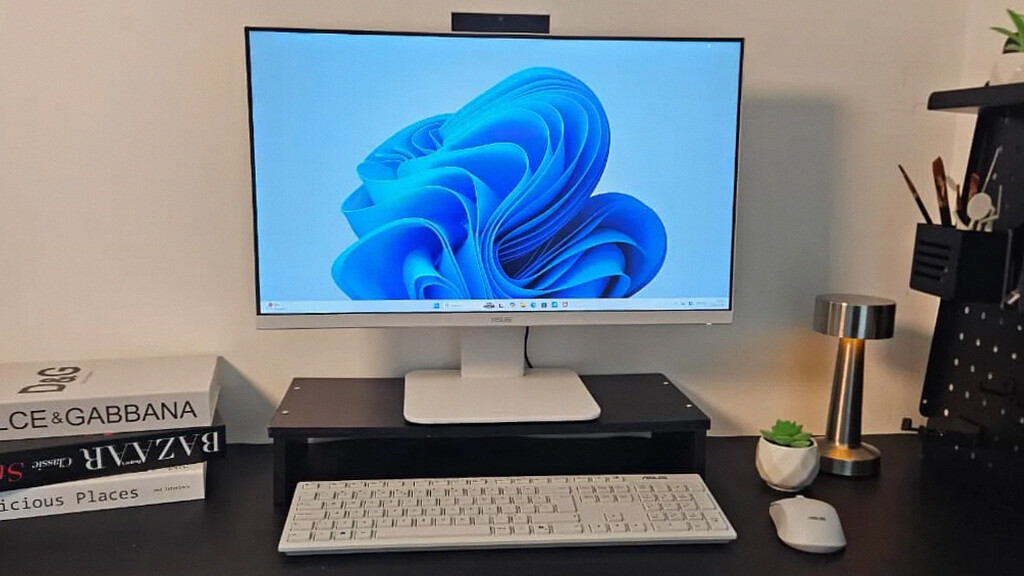
PC shipments surged nearly 10% year-on-year in the fourth quarter of 2025, reaching 76.4 million units globally. This notable increase was largely driven by the expiration of support for Windows 10, prompting many users and businesses to upgrade their systems promptly.
According to IDC, PC manufacturers have also been proactively pulling their inventories forward. This strategic move aims to mitigate expected price hikes amid the ongoing global DRAM supply shortage.
Impact of the Global RAM Crisis on PC Shipments
The global shortage of RAM has intensified throughout 2025 due to escalating demand from AI data centers. This shortage has led to a significant uptick in memory prices, affecting both DRAM and NAND/SSD components critical to PC manufacturing.
IDC’s statement highlighted how this memory crunch has fueled a rush among PC buyers and manufacturers to secure inventory before prices rise further in 2026. The typical year-end holiday demand was thus amplified by the urgency caused by this supply constraint.
Manufacturers such as Lenovo and HP have stocked up heavily on memory modules. However, these hoarded supplies are expected to deplete within a few months. The impending depletion likely will trigger price increases and force changes in PC component configurations going forward.
Shifts in PC Market Strategy and Pricing
Jean Philippe Bouchard, VP Research at IDC, pointed out that alongside system price pressures, there could be a trend toward lowering average memory specifications in PCs. This adjustment might help manufacturers preserve existing memory stocks and adapt to the volatile supply environment expected in 2026.
IDC forecasts will see average selling prices (ASPs) for PCs rise next year. To balance increasing memory costs, PC developers are prioritizing mid-range and premium systems, where higher margins can better absorb component price inflation.
Key Factors Behind PC Shipment Growth and Price Dynamics in 2025-2026:
- End of Windows 10 support triggering upgrade demand.
- Aggressive forward-buying of PC components ahead of predicted memory price increases.
- Memory shortage driven by accelerated AI data center demand.
- Manufacturers’ inventory management to mitigate cost inflation.
- Anticipated reduction in PC memory specifications to extend available supply.
- Expected rise in PC average selling prices in 2026.
- Strategic focus shift towards higher-end PC models to offset increased component costs.
This scenario underscores the complex interaction between software lifecycles, component supply constraints, and market pricing strategies. While PC shipments showed strong growth due to urgent demand and stockpiling, the sustainability of this growth faces challenges from fluctuating memory availability and costs.
Industry watchers will likely observe evolving product configurations and pricing models as manufacturers navigate these supply chain disruptions. The coming year is poised to be a particularly dynamic period for the global PC market due to these intertwined factors.